
The complete guide
Choosing a Rechargeable Camping Light, A Practical Buyer's Guide
The problem with camp lighting
Everyone underestimates how dark a campsite gets. You pitch the tent in daylight, cook in the last of the sun, and then at eight o'clock the whole thing disappears. Suddenly you are holding a phone in your teeth trying to find the tin opener, and the phone battery is the one thing you actually need for the drive home.
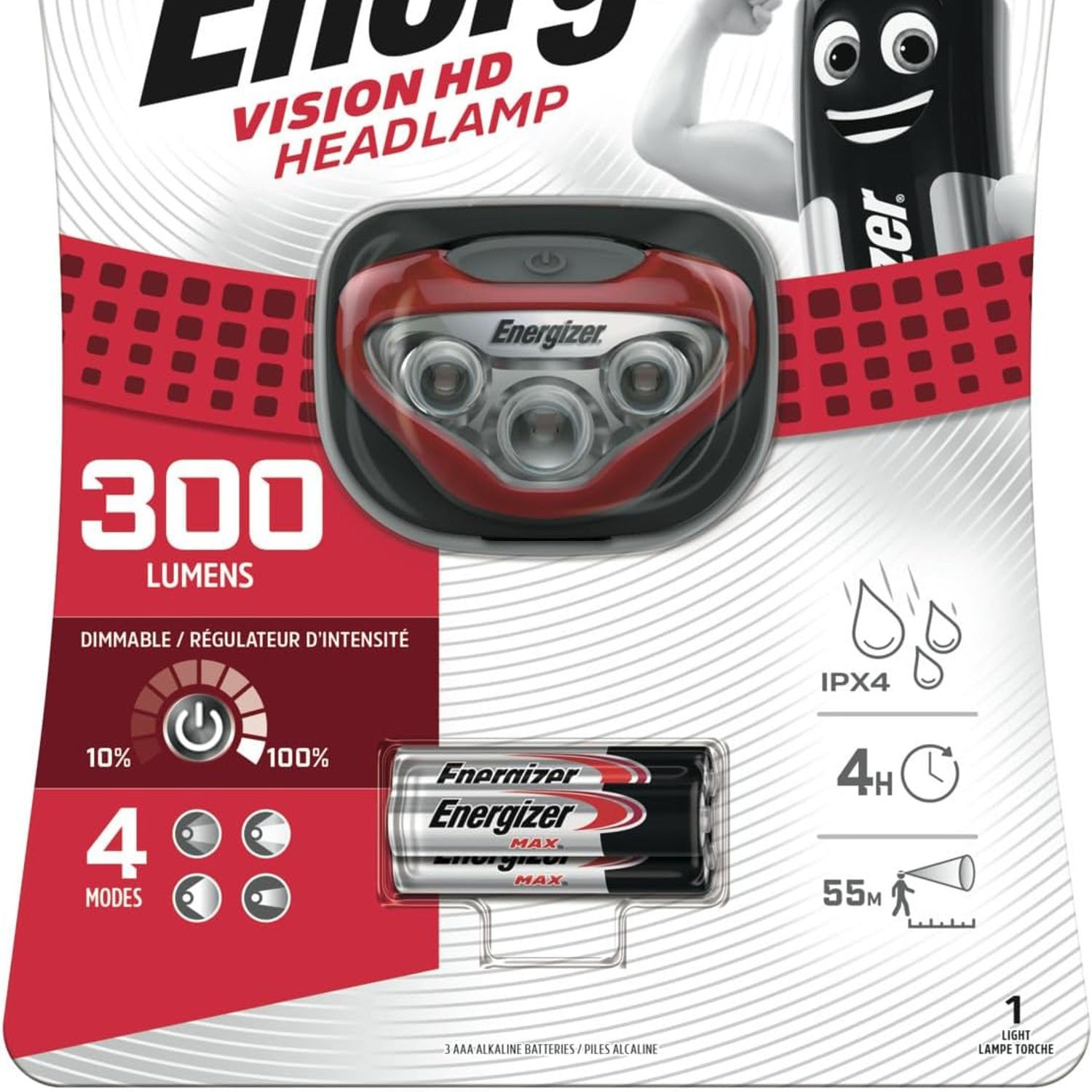
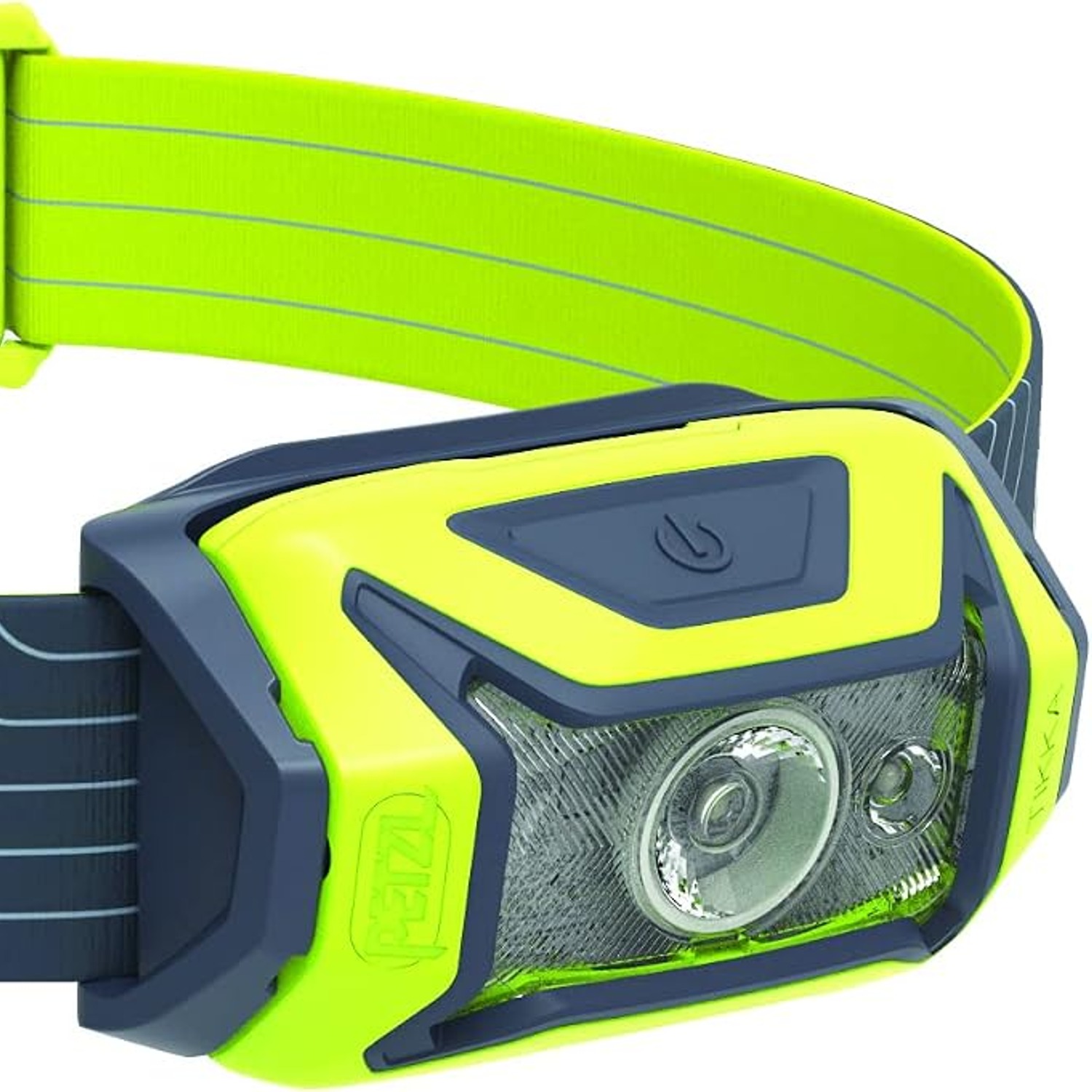
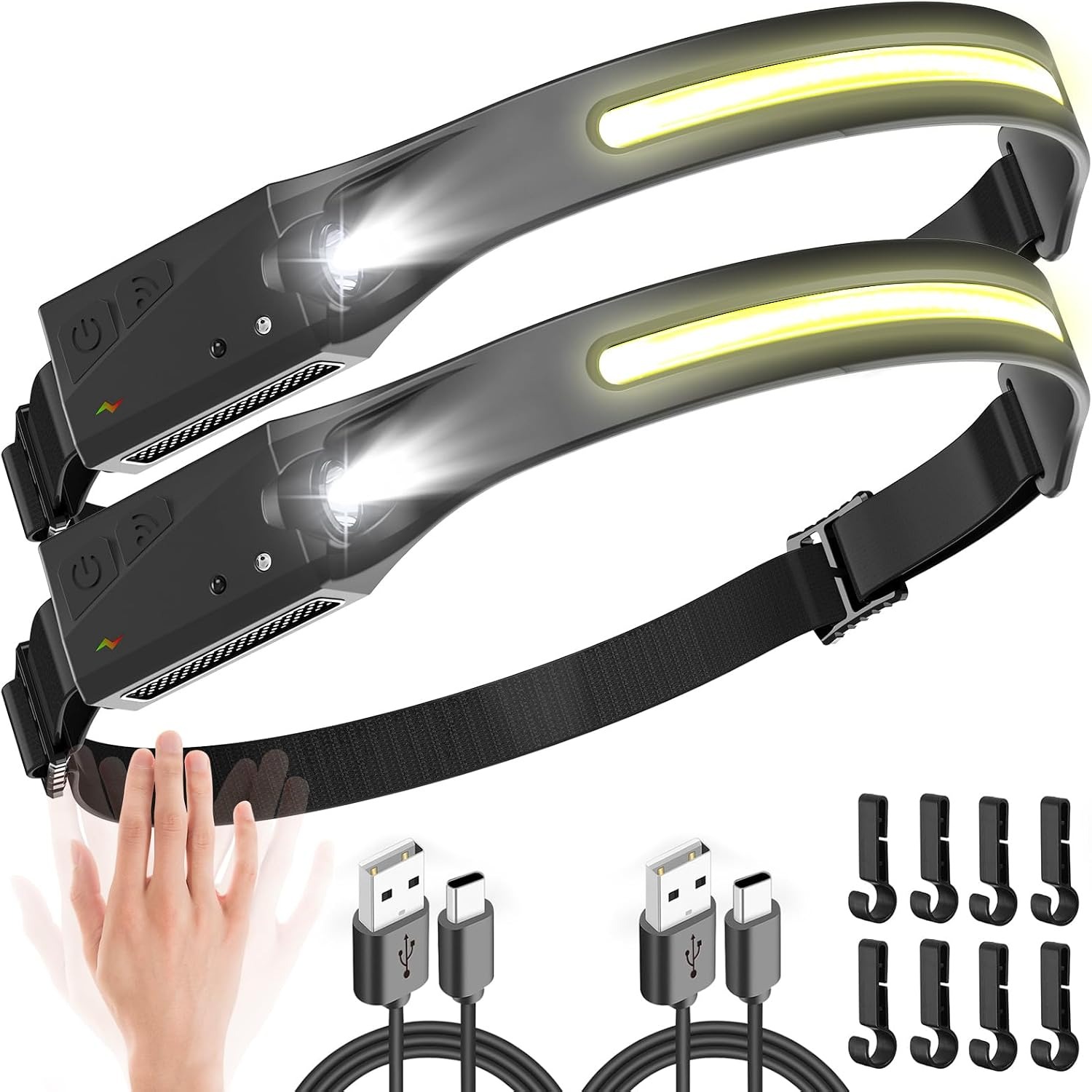
Head torches help, but they only light what you are looking at. Point one at a friend and you blind them. Campfires are lovely and useless for finding a sock. What you actually need is a light that sits above everything, spreads evenly, and does not need a fresh set of batteries every second night.
That is the gap a rechargeable camping light fills. One lamp, hung high, lighting the whole space while you keep both hands free.
How a rechargeable LED lantern works
The old camping lanterns ran on gas or on a handful of disposable batteries. LEDs changed the maths. They draw very little power for the light they produce, they run cool, and they survive being knocked about in a pack.
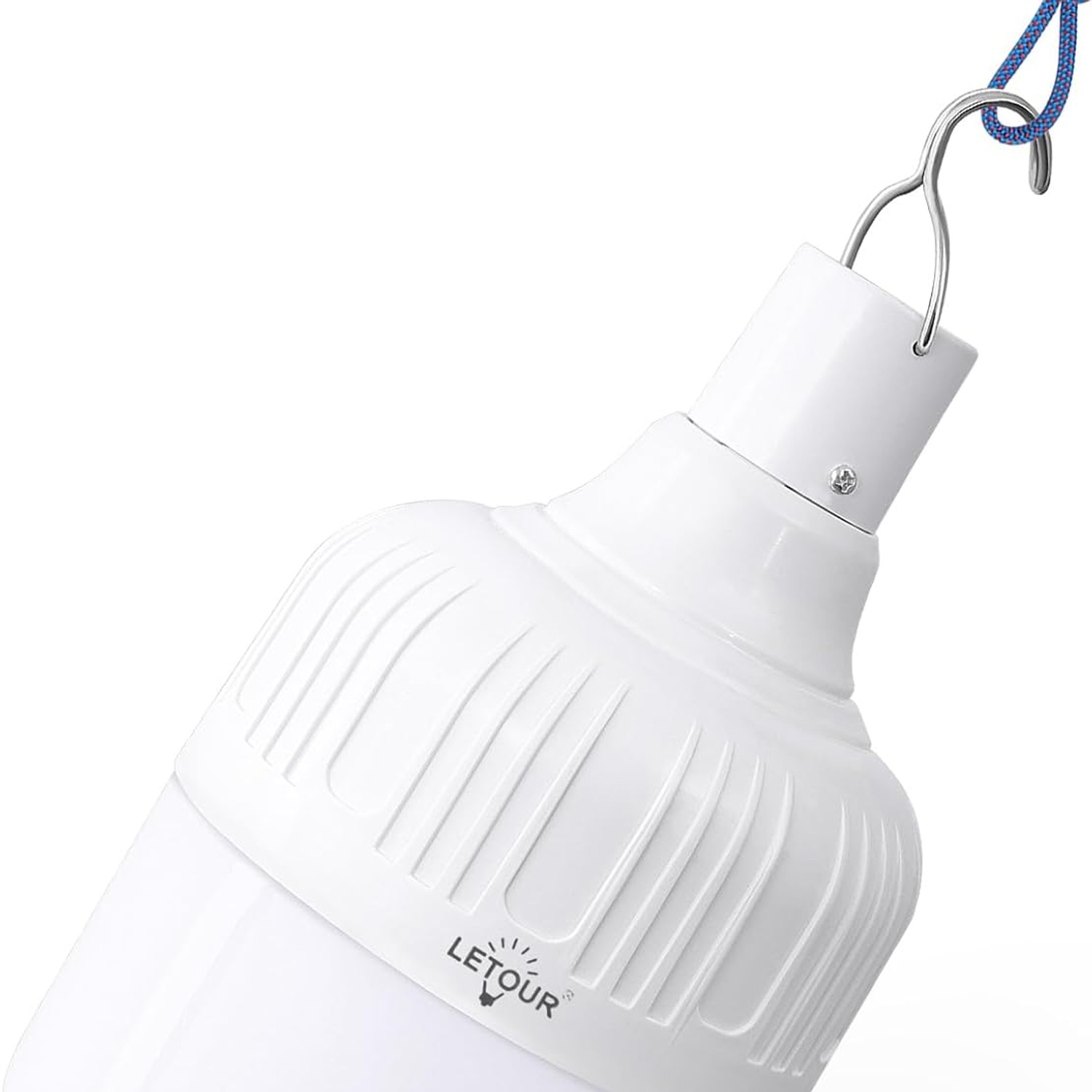
This LETOUR lamp uses 24 individual LED beads behind a diffuser rather than one bright point. That matters more than people expect. A single bright emitter throws hard shadows and creates glare. Spreading the output across two dozen small sources gives you softer, flatter light that is easier to sit under for an hour.
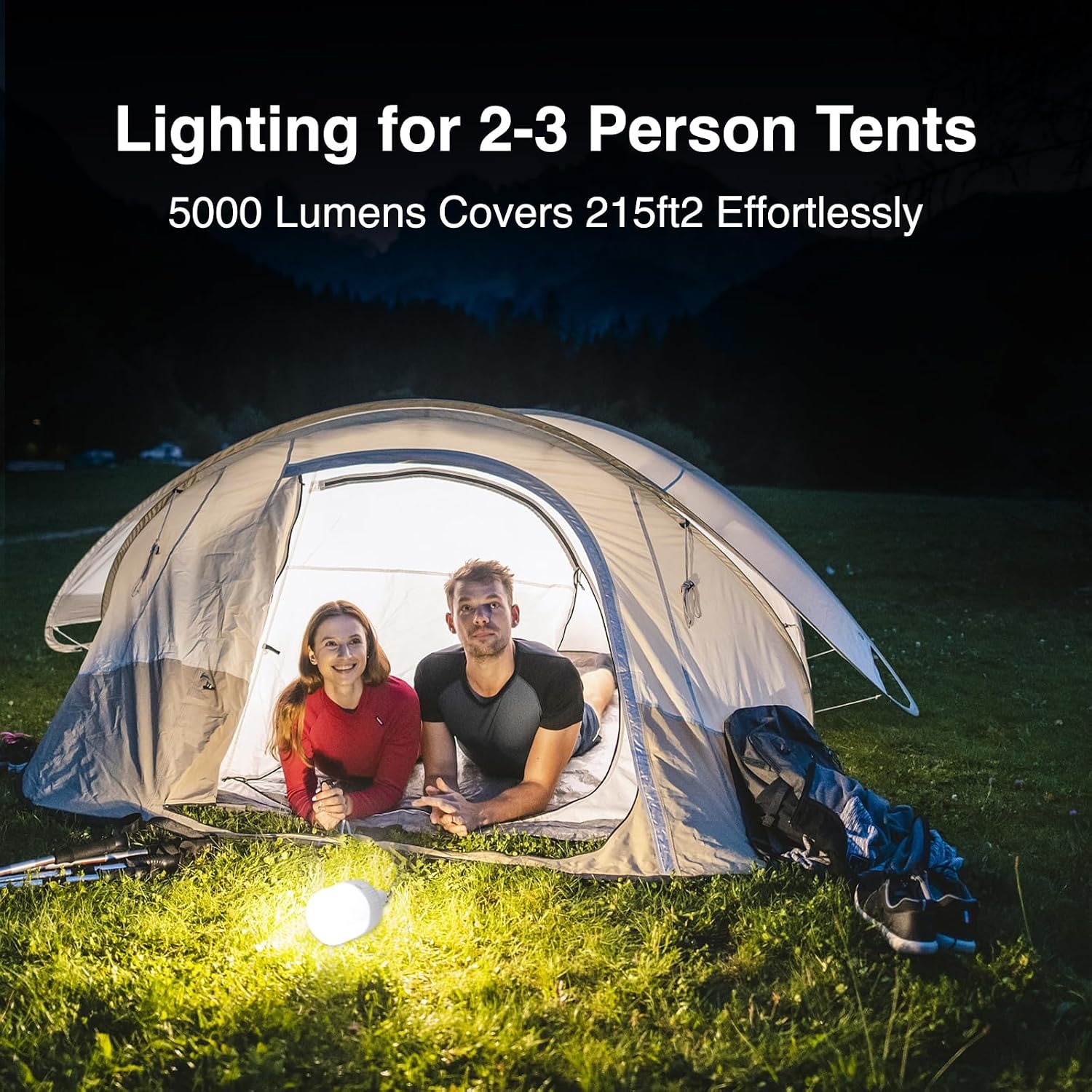
The rated maximum output is 5000 lumens. That is a lot of light for something that weighs 272 grams. In reality, you will rarely want full power for long. Full brightness is for setting up in the dark, finding a dropped car key in the grass, or packing the car at five in the morning. Most of the evening, you will be running it lower.
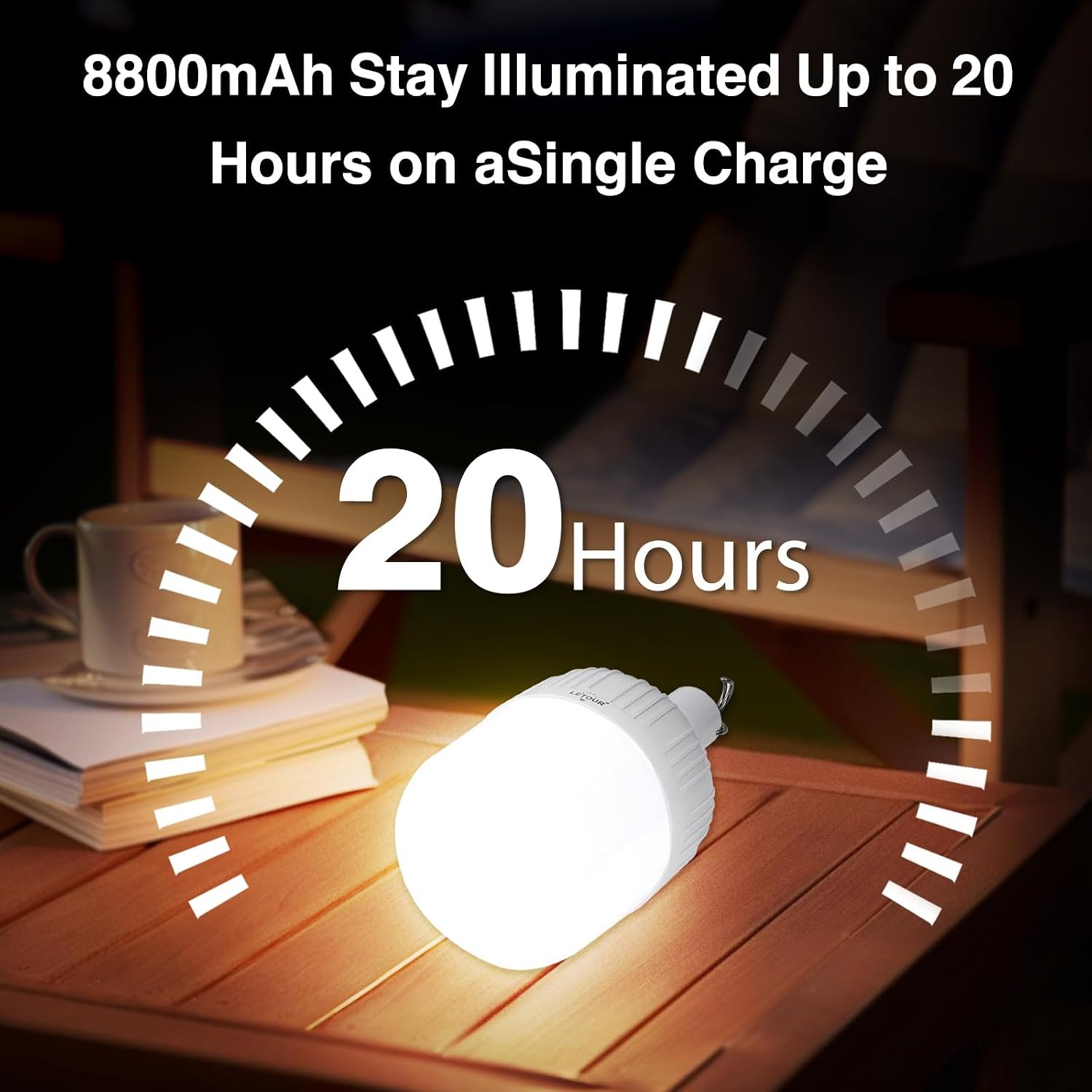
Power comes from a lithium-ion battery that is built in and included, charged through a standard USB port at 5 volts. This is the single biggest practical improvement over older lanterns. The cable in your glovebox, the power bank in your pack, the USB socket on the caravan dash, all of them will charge it. You stop thinking about batteries entirely.
Why dimming matters more than peak brightness
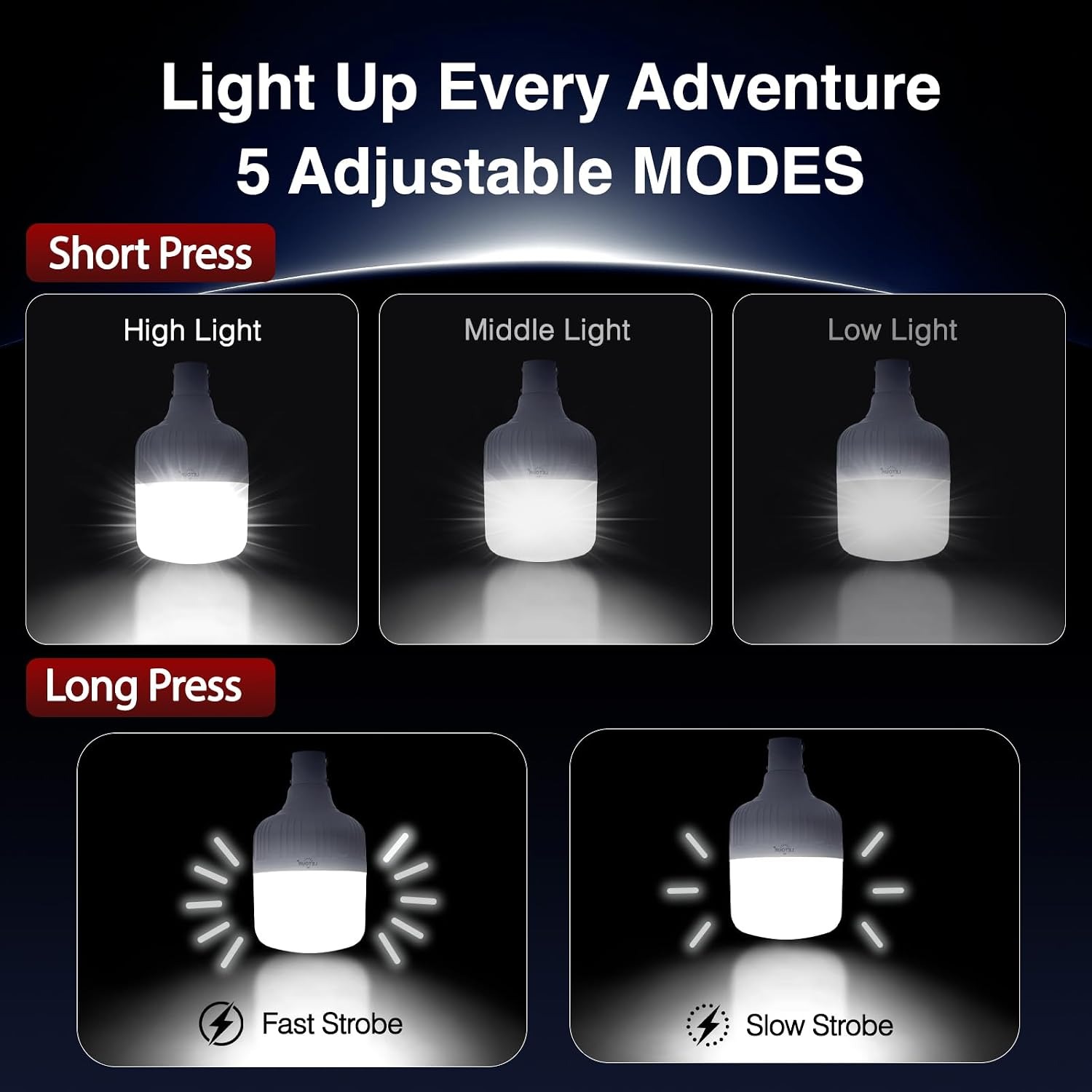
Brightness numbers get all the attention in product listings, but dimming is what you actually live with. This lamp is dimmable across several modes, including high, mid and low, plus fast and slow strobe.
Here is how that plays out on a real trip. You arrive late and pitch in the dark, so you run high. You cook, and mid is plenty. You sit and talk, and low is better because nobody wants to feel like they are in a car park. Then someone goes to bed and you drop lower again so the tent is not glowing like a beacon.
A single-brightness lantern forces you to choose between blinding and useless. A dimmable one just adapts. It also stretches your battery considerably, because low modes draw a fraction of the power of full output.
The strobe settings are worth knowing about even if you never plan to use them. If someone wanders off from camp at night, a strobing light hung at the site is far easier to spot and walk back to than a steady one. Same logic applies at the side of a road.
Who this suits
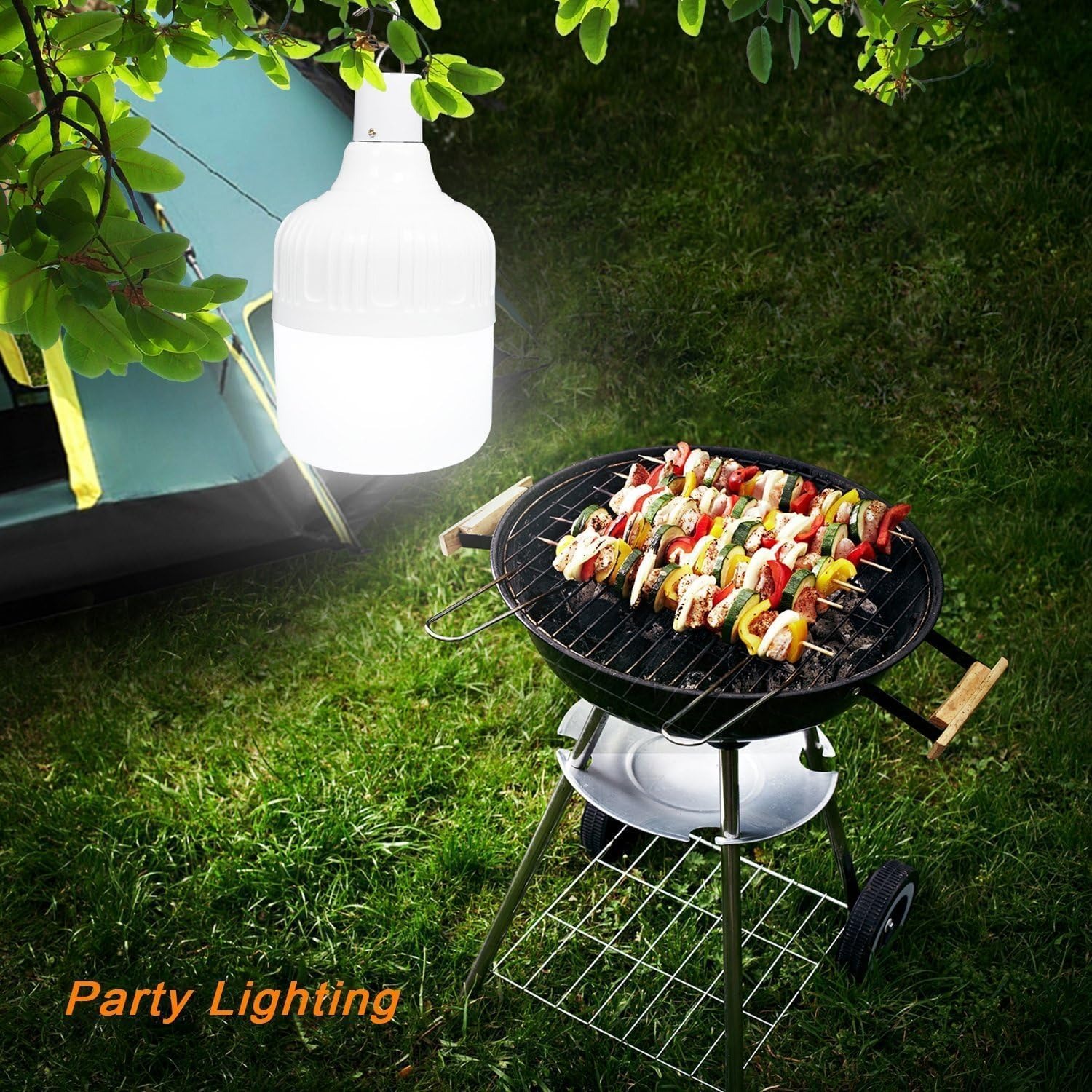
Tent campers get the most obvious benefit. Hang it from the ceiling loop and the whole interior lights up. If you camp with children, the low setting doubles as a nightlight that will not keep anyone awake.
Caravanners and van owners use these as a second light. Fixed interior fittings are fine until you want light outside under the awning, or in a storage locker, or over a table set up on the grass. A portable lamp goes where the fixed one cannot.
Four-wheel drivers and fishers keep one in the vehicle. Changing a tyre at dusk, cleaning a catch, or sorting gear in the back of a ute all become far less annoying with overhead light instead of a torch held in your mouth.
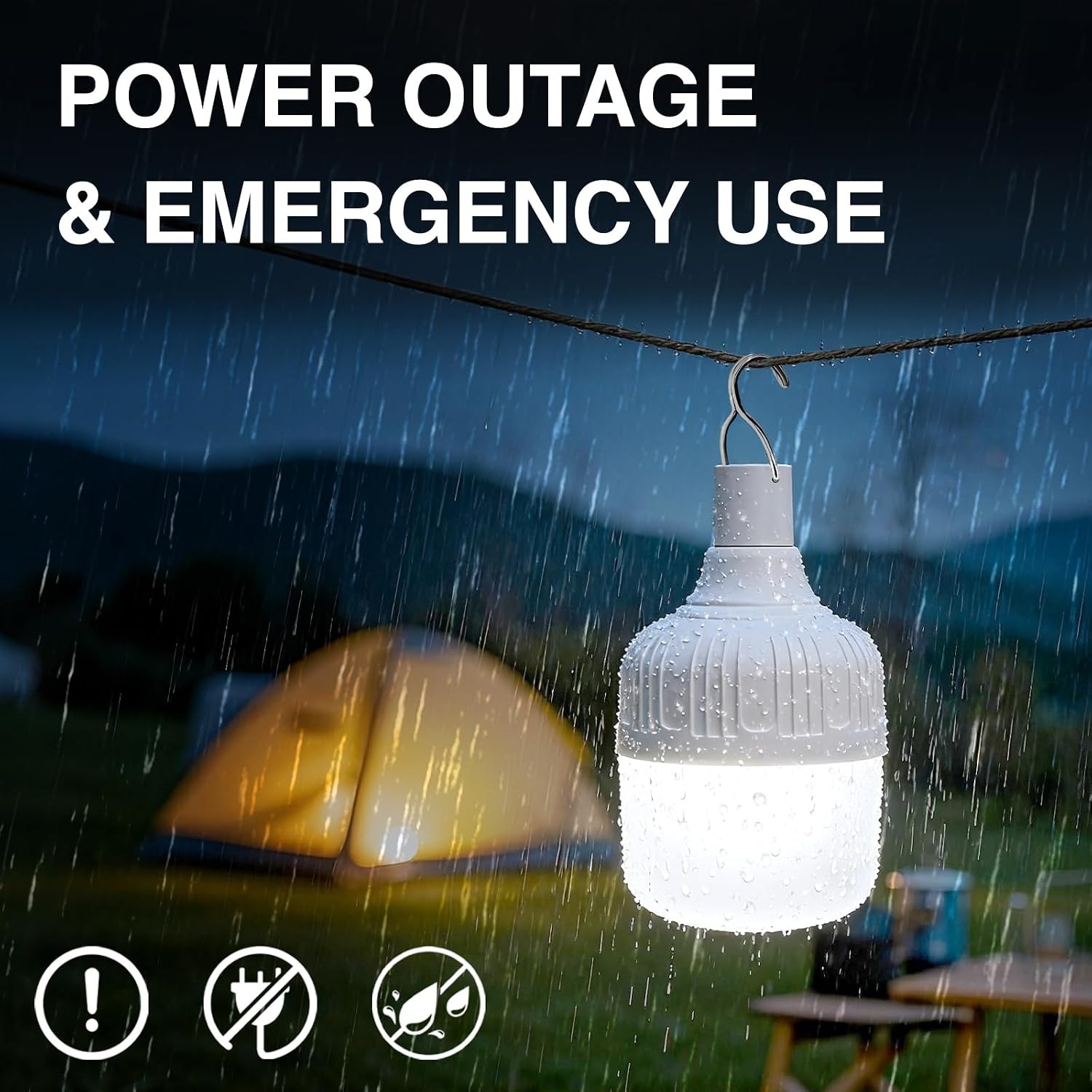
Then there is the home use that nobody plans for. Power cuts, a dark shed, a crawl space, a late barbecue in the yard. A charged lamp in a kitchen drawer is one of those things you only appreciate the first time the power goes out.
What to check before you buy
Weight and size. At 272 grams this one is firmly in the lightweight category. If you are walking in to a site, that number matters. If you are driving to a campsite, it matters less, and you could consider heavier lanterns with bigger batteries.
Charging method. USB charging at 5 volts is the convenient option because it uses hardware you already own. If you are going somewhere with no power at all for a week, work out your power bank capacity first.
Weather rating. Be clear-eyed here. This lamp is not water resistant. That is fine for a tent interior, an awning, a caravan, a shed or a covered table. It is not fine hanging from a branch in open weather. If you specifically need a lamp that lives outside in the rain, you want something with a sealed IP rating instead.
Mounting. The hanging mount is the main attachment method. Think about where you will actually hang it. Tent loops, tarp poles, awning rails and hooks all work. If you mostly want a lamp that stands on a table, check that the shape suits your setup.
Materials. The body is ABS plastic in white. ABS is the standard for portable lighting because it handles knocks and stays light. It is not indestructible, so a padded pocket in your pack is a sensible home for it.
Getting the best out of it
Hang it high. Light from above spreads; light from a table surface throws shadows across everything. Even forty or fifty centimetres of extra height makes a visible difference inside a tent.
Charge before you leave, not when you arrive. The whole advantage of USB charging disappears if you remember at the trailhead. Build it into your packing routine the same way you charge a phone.
Use the lowest mode that gets the job done. Battery runtime varies enormously with brightness setting, and most evening activity needs far less light than people assume. Save high power for the short, hands-busy jobs.
Keep the charging port clean. Sand and dust in a USB port is the most common way portable lights die, and it is entirely avoidable with a quick brush before you pack it away.
Store it charged. Lithium-ion batteries do not like sitting completely flat for months. If the lamp lives in a cupboard between trips, give it a top-up every few months.
The short version
If you camp, drive, fish or just want a light that works when the power does not, a rechargeable LED lantern is one of the easiest bits of kit to justify. This LETOUR model gives you 24 LEDs, a rated 5000 lumen maximum, several dimmable modes and USB charging in a 272 gram ABS body with a hanging mount.
The one thing to plan around is that it is not water resistant, so keep it under cover. Do that, hang it high, and charge it before you go, and it will handle almost everything you throw at it, from a family tent to a blackout in the kitchen.