Camping Company
Company
Shop By Category
T&Cs
Shop Online
  • Clear materials and product specifications
  • Free tracked delivery across the UK over £100
  • 14-day returns

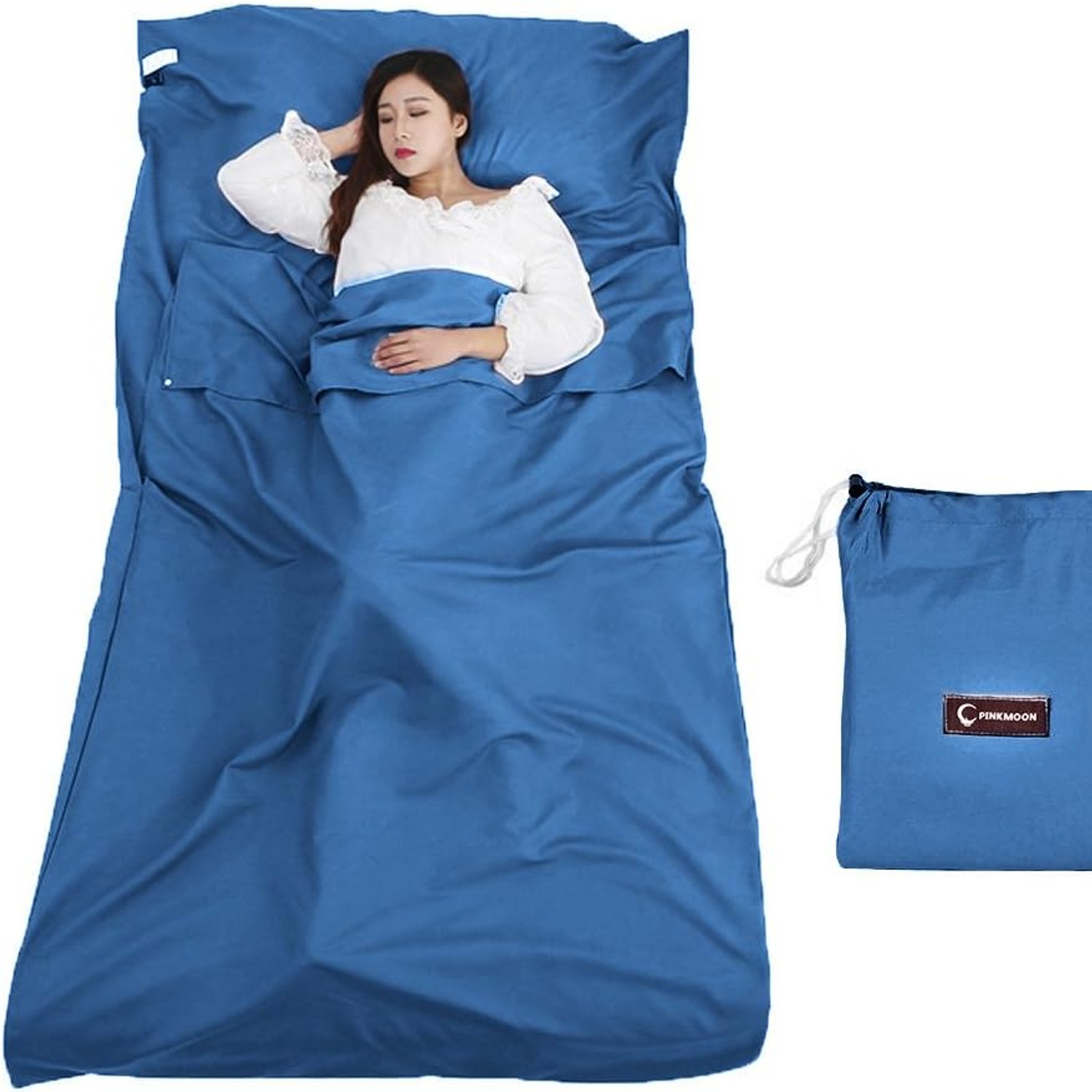
Travel Sleeping Bag | Lightweight Sleeping Bag | Summer Sleeping Bag

Queta Lightweight Travel Sleeping Bag with Carry Bag

£48.99 £58.99 Save £10
  • Only 500 Grams
  • Packs To 20 cm
  • Soft Microfibre
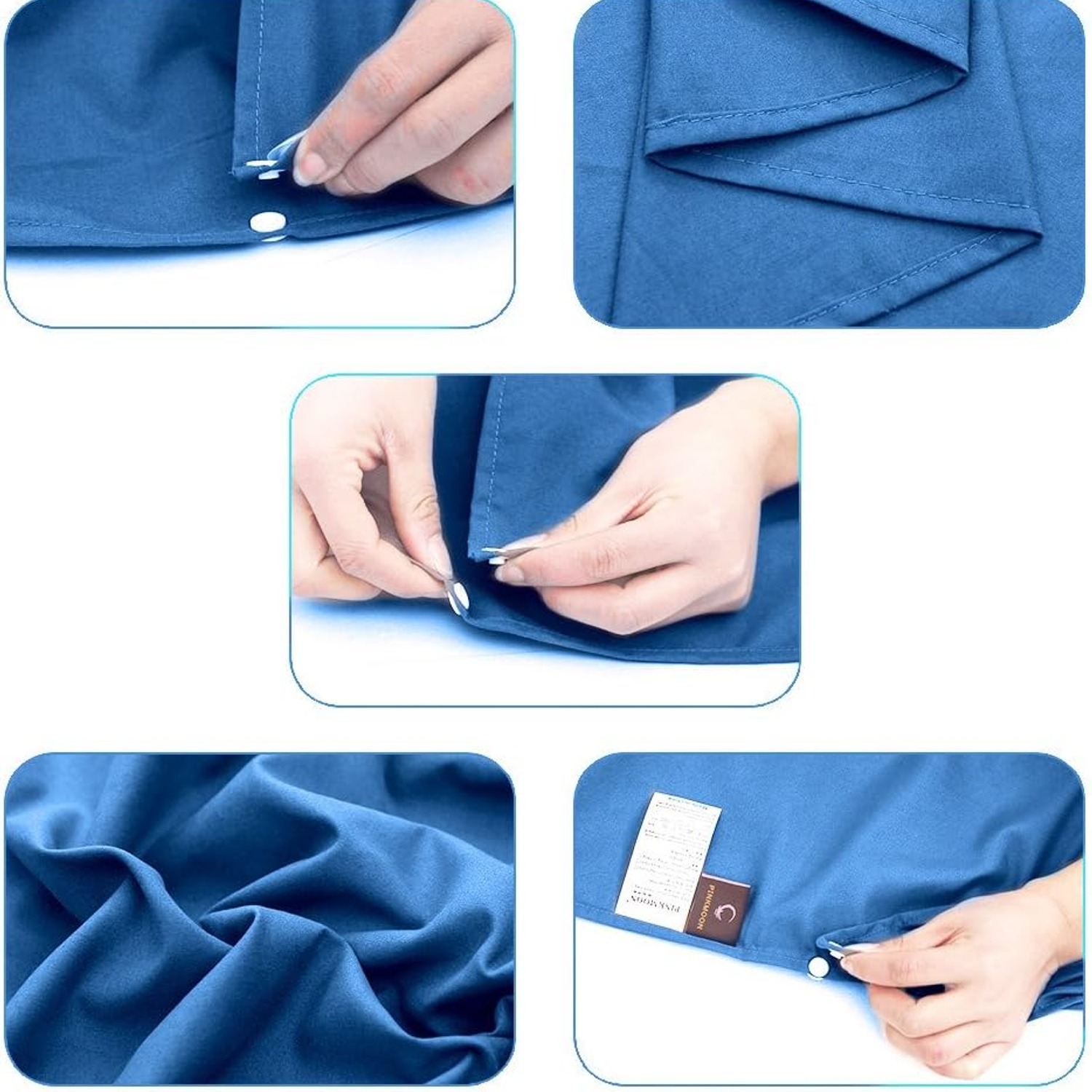
  • Zip And Button

Price: £48.99 £58.99

  • Free tracked delivery across the UK on orders £100+, otherwise a flat £12
  • Pay by card or PayPal, handled by the payment provider
  • 14 days to change your mind, plus your statutory rights
Product specifications
Product TypeTravel sleeping bag with carry bag
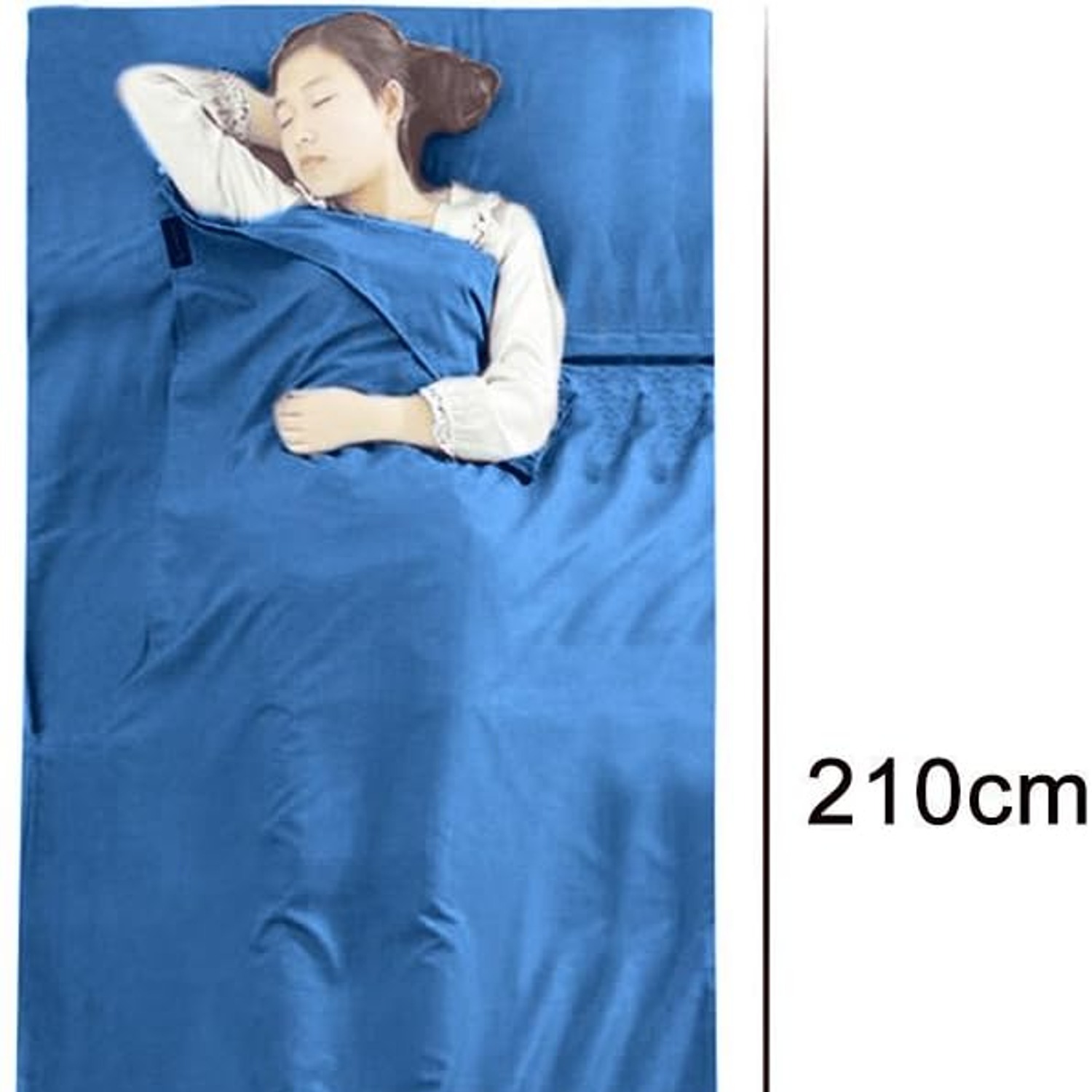
Size210 cm x 115 cm
Item Dimensions (L x W)2.1 m x 1.15 m
Weight500 g
Shell MaterialMicrofibre
Fill MaterialPolyester
ShapeRectangular
Closure TypeZipper
Additional FeaturesLightweight, compact size, button design
ColourMysterious Blue
Occupancy2 person
Maximum Height Recommendation180 cm
Seasons (Manufacturer Rating)Autumn and winter
Temperature Rating (Manufacturer Rating)Below minus 5 degrees Celsius
Sport TypeCamping and outdoors
Age Range DescriptionYouth
BrandQueta
ManufacturerQueta
UPC192587317630
Unit Count1 count
Weight500 g
Shipping & returns

Tracked delivery anywhere in the UK. It is free on orders of £100 or more, and a flat £12 below that.

Under the Consumer Contracts Regulations 2013 you have 14 days from delivery to cancel for any reason, and a further 14 days to send it back in resaleable condition. We refund the price you paid, including standard delivery. You cover the cost of returning it unless the item is faulty.

If it arrives faulty, damaged or not as described, we put it right at no cost to you under the Consumer Rights Act 2015, return postage included.

Shipping details · Refunds and returns

Only 500 GramsLight enough to carry all day without noticing it in your pack.
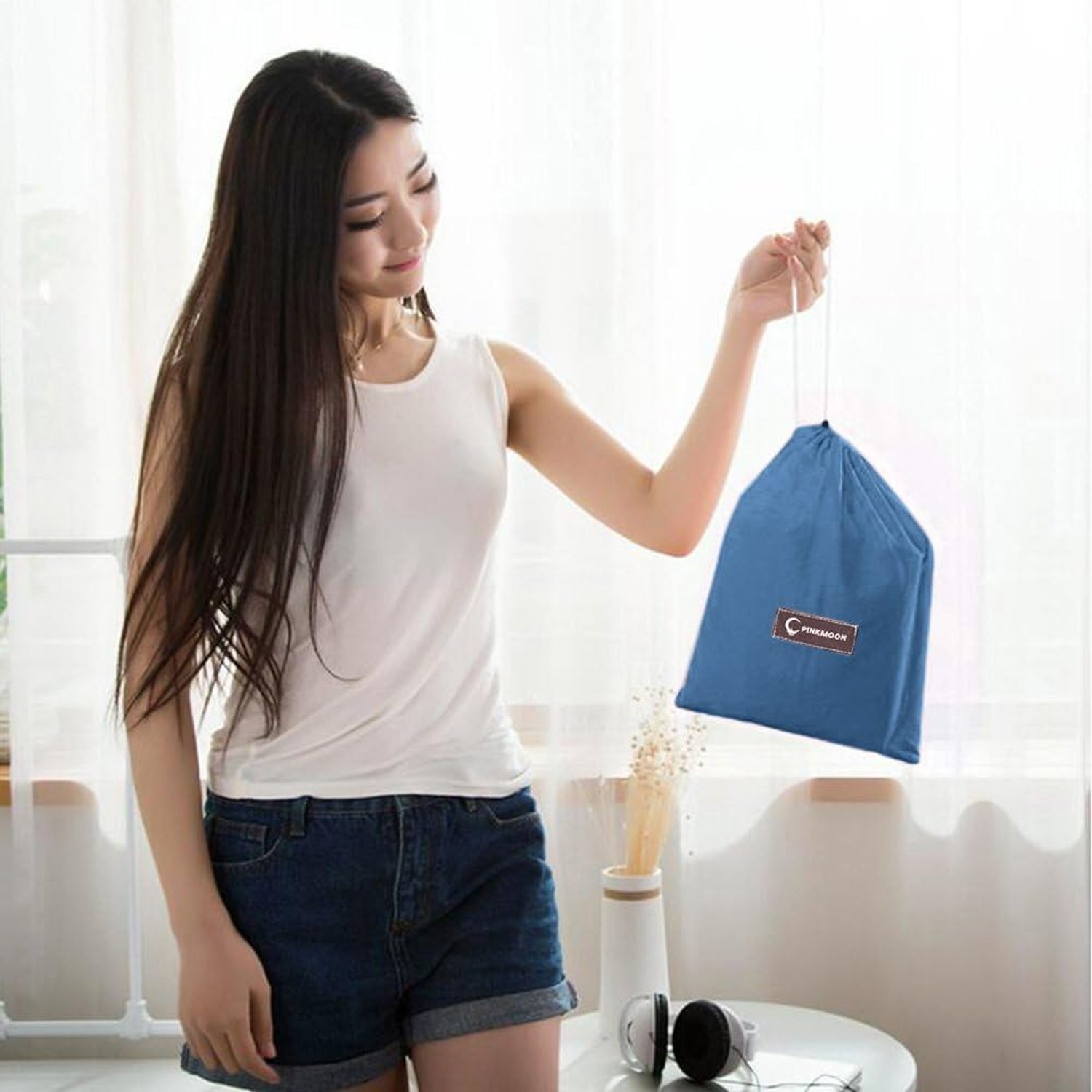
Packs To 20 cmFolds into the included carry pouch, roughly 20 x 20 cm.
Soft Microfibre100% microfibre shell and lining that stays soft after washing.
Zip And ButtonFull-length zipper plus button fastening for a simple, secure close.

Pack your own clean bed into a 20 cm pouch with a travel sleeping bag that goes wherever the trip takes you.

Soft 100% microfibre, a 210 x 115 cm rectangular shape, a full-length zip, button fastening and a 500 g packed weight make this an easy extra in any backpack.

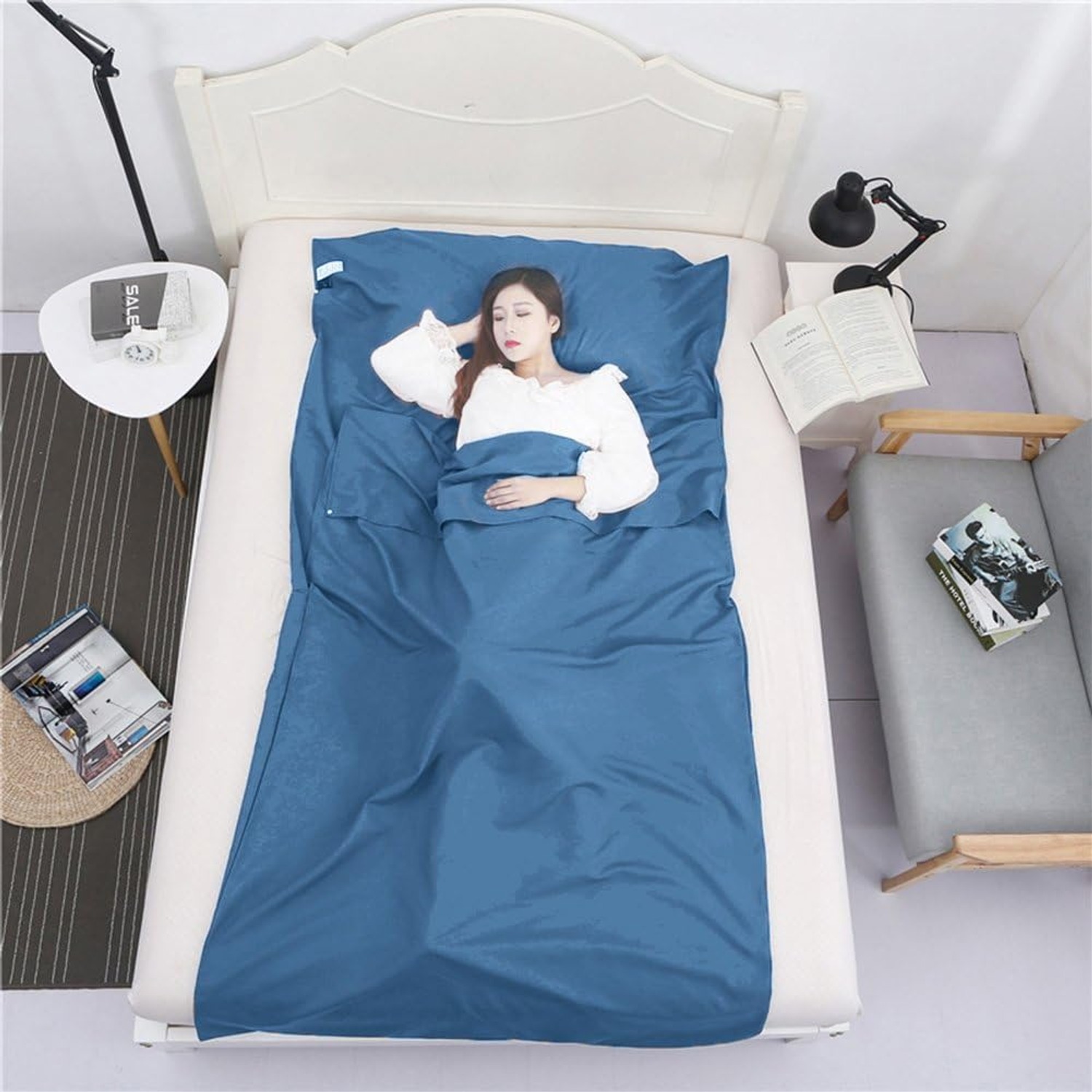
A 210 x 115 cm rectangular travel sleeping bag made from 100% microfibre, soft against bare skin and easy to live with night after night.

At 500 g with a carry bag of roughly 20 x 20 cm, it slips into hand luggage or the side pocket of a backpack.

Works as a standalone warm-weather bag or as a liner inside a heavier bag when conditions turn cooler.

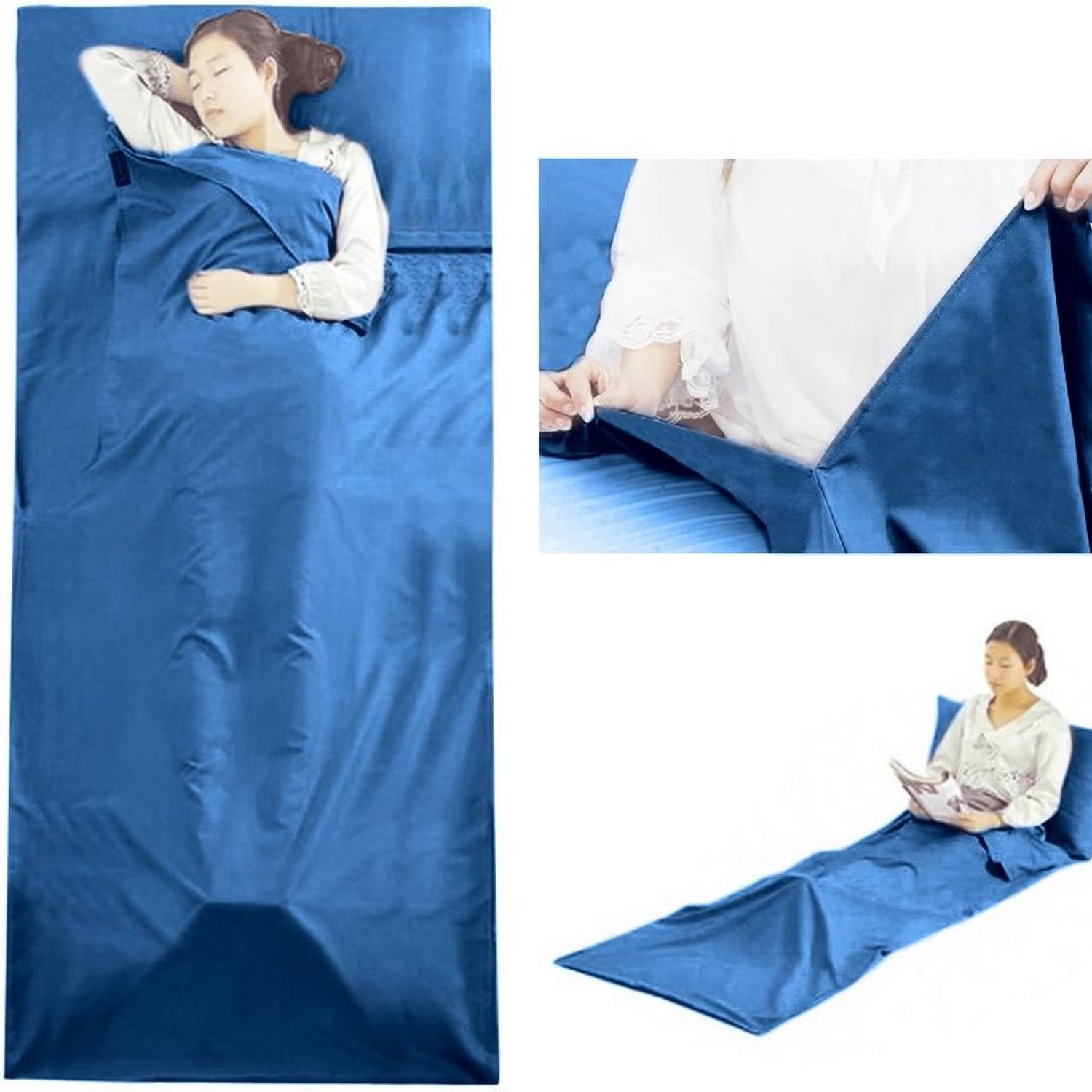
A full-length zipper and button design make it quick to open out flat or close up for the night.

Handy for hostels, guesthouses, overnight trains, hut stays and summer camping where you want your own clean layer.

Queta Lightweight Travel Sleeping Bag with Carry Bag

There is a particular kind of hesitation that comes with climbing into a bed you did not make. A hostel bunk, a trekking hut, a friend's spare sofa, an overnight bus seat. The bedding might be perfectly fine. You still wish you had your own layer. This Queta travel sleeping bag exists for that moment. It is a 210 x 115 cm rectangular bag made from 100% microfibre, soft enough to sleep against with nothing else on, and light enough that bringing it along never feels like a decision.

Queta Lightweight Travel Sleeping Bag with Carry Bag

The numbers are the selling point. The whole thing weighs 500 g and compresses into a carry bag of roughly 20 x 20 cm, which is about the footprint of a loaf of bread. That means it fits in a daypack, a carry-on, a pannier or the gap at the top of a loaded rucksack. Travellers who count grams tend to be ruthless about what earns a place, and a half-kilo of clean bedding usually does.

Queta Lightweight Travel Sleeping Bag with Carry Bag

The shape matters as much as the weight. A rectangular bag opens out completely flat, so you can use it as a quilt on a warm night, a sheet over an unfamiliar mattress, or a zipped-up bag when the temperature drops. The full-length zipper runs the length of the bag and the button design adds a simple second fastening point. No clips to break, no complicated hood system, nothing to work out in the dark.

Queta Lightweight Travel Sleeping Bag with Carry Bag

Microfibre is the right fabric for this job. It is fine, smooth and quick to dry, and it does not hold creases the way heavier cottons can. The supplier notes the fabric does not discolour, which matters for something that gets stuffed into a pouch, pulled out damp and washed more often than most bedding. The fill material is listed as polyester. Beyond that, the manufacturer's own listing gives a season rating of autumn and winter and a temperature rating below minus 5 degrees Celsius. We would treat those figures cautiously for a 500 g microfibre bag and recommend judging it as a warm-weather bag or a liner, which is how most people actually use it.

Queta Lightweight Travel Sleeping Bag with Carry Bag

It suits backpackers, hostel-hoppers, festival-goers, hut-to-hut walkers, people who travel for work and keep one in the suitcase, and anyone with a spare room that gets occasional guests. It also works as a child's indoor sleepover bag. At this weight and pack size, it is the kind of item that quietly lives in a bag for years and gets used far more than you expected.

Not sure yet? That is fine.

Camping gear has to suit your trip and your climate, and you cannot always judge that from a photograph. Under the Consumer Contracts Regulations 2013 you have 14 days from delivery to cancel for any reason, and a further 14 days to send it back in resaleable condition. We refund the price you paid, including standard delivery.

If it turns up faulty, damaged or not as described, that is on us. The Consumer Rights Act 2015 covers you, and we pay the return postage. Read the full detail on our refunds and returns page, or ask us anything before you order.

Frequently Asked Questions

What exactly is this product?

It is a lightweight travel sleeping bag made from 100% microfibre, measuring 210 x 115 cm when opened out. It comes with its own carry bag and weighs 500 g in total.

How small does it pack down?

The included carry bag measures approximately 20 x 20 cm. That is small enough to sit inside a daypack, a carry-on bag or the top pocket of a backpack without crowding out your other gear.

How much does it weigh?

The listed item weight is 500 g. For anyone counting pack weight, that puts it firmly in the category of things you can bring without much thought.

What is it made from?

The shell and lining are microfibre, and the fill material is listed as polyester. Microfibre is fine and smooth, dries quickly and stays soft after repeated washing.

What size is it when opened out?

It opens out to 210 cm long by 115 cm wide. That is a generous rectangular shape with room to move rather than a tight mummy cut.

Can two people use it?

The manufacturer lists occupancy as 2 person, and at 115 cm wide it can be opened flat and shared as a cover. As a zipped bag it is more comfortable for one adult.

Is there a maximum height recommendation?

Yes, the manufacturer lists a maximum recommended height of 180 cm. Taller users can still use it opened out flat as a quilt or sheet.

How cold can I use it in?

The manufacturer lists a temperature rating below minus 5 degrees Celsius and a season rating of autumn and winter. For a 500 g microfibre bag we would treat that figure as optimistic and suggest planning around warm-weather use or using it as a liner inside a warmer bag.

Can I use it as a sleeping bag liner?

Yes, this is one of the most popular ways to use it. Slipping it inside a heavier bag adds a soft layer against your skin, a few extra degrees of comfort and keeps the outer bag cleaner between washes.

Is this the best sleeping bag liner for hostels?

It is a strong choice for hostel use because it gives you a full clean layer between you and shared bedding, and it packs down small enough to live permanently in your bag. The rectangular shape also means you can open it out over a mattress rather than climbing inside.

How does it close?

It uses a full-length zipper along with a button design as a second fastening point. There are no clips or drawcords to learn, which makes it easy to open and close in the dark.

What colour is it?

The colour is listed as Mysterious Blue. Darker shades tend to be practical for travel because they show marks less between washes.

Does the fabric fade or discolour?

The supplier states the microfibre does not discolour. As with any fabric, washing in cold water and drying out of direct sun will help it keep its colour over time.

Is it suitable for summer camping?

Yes. As a summer sleeping bag it suits mild nights in a tent, a campervan or a hut where you want a cover rather than heavy insulation.

Can I use it indoors at home?

Absolutely. It works well as spare bedding for guests, as a sleepover bag for kids, or as a light extra layer on the sofa. It folds away into a pouch rather than taking up cupboard space.

Is it good for backpacking?

It is well suited to backpacking because of the 500 g weight and the small packed size. Many people rate it among the best lightweight sleeping bag options for warm-weather trips where a full four-season bag would be overkill.

Will it work on overnight trains and buses?

Yes. It opens out flat as a blanket on a seat or berth, and the carry bag makes it easy to pull out and stow quickly. It is a common choice for long-haul travel across Europe and Asia.

Does it have a hood?

No, it is a rectangular bag without a hood. If you want head insulation on colder nights, pair it with a beanie or a separate hooded outer bag.

Can I zip two of them together?

The listing does not confirm that two units can be zipped to each other, so we cannot promise compatibility. Two bags can of course be laid side by side or one opened flat as a shared cover.

How do I wash it?

Machine wash cold or warm on a gentle cycle with a mild detergent, and wash it separately the first time. Skip bleach and fabric softener, as softener can coat microfibre and reduce its softness.

Can it go in the dryer?

Yes, tumble dry on a low heat or line dry. Microfibre dries quickly either way. Make sure it is completely dry before folding it back into the carry bag.

How should I store it between trips?

Store it loose and dry in a cupboard or a large bag rather than leaving it compressed in its pouch for months. Fabrics generally last longer when they are not held under constant pressure.

Can I wash it on the road?

Yes. One of the advantages of microfibre is that it rinses out in a sink and dries fast, which is useful for long trips where laundry stops are irregular.

Is it machine washable at high temperatures?

We recommend sticking to cold or warm washes. High heat can damage synthetic fibres and affect the finish of the fabric over time.

Is this suitable for children?

The age range is described as Youth, and the size works well for children and teenagers. It is a practical choice for school camps, sleepovers and family holidays.

What is included in the box?

You receive one sleeping bag and its matching carry bag. The unit count is listed as 1 count.

How long will delivery take?

Delivery times depend on your country and the address you give at checkout. You will see the current estimate on the checkout page, and a tracking link is emailed once your order ships.

Does it make a good gift?

It does, particularly for someone heading off travelling, starting at university, or getting into hiking. It is useful, it is not a duplicate of something they already own, and it packs flat enough to post easily.

What if I am not sure which travel bedding I need?

If you mostly stay in hostels, hotels and huts, this bag covers you. If you camp in cold conditions regularly, buy a rated outdoor bag and use this as a liner inside it rather than as your only sleeping bag.

What if it is not right when it arrives?

Get in touch with our team and we will sort it out. If the bag arrives faulty or is not what you expected, we will arrange a replacement or a return in line with our returns policy, so you are not stuck with something that does not suit you.

How To Choose A Lightweight Travel Sleeping Bag

6 min read Camping Company

The problem with other people's bedding

Anyone who has travelled on a budget knows the feeling. You arrive late, you are tired, and the bunk in front of you comes with a sheet that may or may not have been changed. Or you reach a mountain hut and find a row of communal blankets that have seen a few seasons. Nothing is necessarily wrong. You just sleep better with your own layer.

That is the gap a travel sleeping bag fills. It is not trying to be a serious expedition bag. It is trying to give you a clean, familiar surface between you and whatever bed you have landed in, without eating half your luggage allowance to do it.

This Queta bag is built around that one job. It is 210 x 115 cm of 100% microfibre, it weighs 500 g, and it folds into a pouch about 20 x 20 cm. Everything about it is a compromise in favour of being carried.

How a lightweight bag actually works

A sleeping bag keeps you warm by trapping air. Thick bags trap a lot of air and weigh a lot. Thin bags trap a little and weigh almost nothing. There is no clever trick that gets you both.

So a bag like this one is doing something slightly different. It traps a thin layer of warm air, blocks draughts, and adds the comfort of a smooth fabric against your skin. On a mild night that is enough on its own. On a cold night it is a useful extra layer inside something warmer.

That second use is worth understanding, because it is where thin bags earn their keep. Slide this inside a heavier outdoor bag and you gain a bit of warmth, you add a soft lining, and you keep sweat and skin oils out of the expensive bag. Washing a 500 g microfibre liner is easy. Washing a down bag is not.

The manufacturer's listing gives a season rating of autumn and winter and a temperature rating below minus 5 degrees Celsius. We would be honest with you here. For a microfibre bag at this weight, those figures are optimistic, and we have not tested them. Plan your trip around warm-weather use or liner use, and treat anything extra as a bonus. That approach keeps you comfortable rather than caught out.

Who it suits

Backpackers get the most from it. If you are moving between hostels for weeks, having your own bedding changes how the whole trip feels, and at half a kilo you will not resent carrying it.

Hut-to-hut walkers are the second group. Many huts supply blankets but ask you to bring your own liner. A rectangular microfibre bag meets that requirement and doubles as a cover on warmer nights.

Then there are the quieter uses. People who travel for work and keep one in the suitcase. Parents who want something for school camps and sleepovers. Anyone with a spare room and occasional guests. Van travellers who need bedding that folds away in seconds. Festival-goers who want something washable and cheap enough not to worry about.

If you are camping in genuine cold, this is not your main bag. Buy a properly rated outdoor bag for that and use this inside it.

How to choose between the options

Start with temperature. Be realistic about the coldest night you will face, not the average. If you are sleeping indoors most of the time, a thin bag is all you need. If you are outside in shoulder season, you need insulation this bag does not have, and the best lightweight sleeping bag for your trip is the one you pair with something warmer.

Then look at shape. Mummy bags are warmer per gram because they hug your body. Rectangular bags, like this one, are roomier and far more versatile. You can unzip a rectangular bag completely flat and use it as a quilt, a sheet, a picnic blanket or a cover over a suspect mattress. For travel rather than mountaineering, that flexibility usually wins.

Check the length. This bag lists a maximum recommended height of 180 cm. If you are taller than that, you can still use it opened flat, but you may find your feet pressing against the end when it is zipped.

Weigh the weight. A 500 g bag and a 1.2 kg bag feel very different by day four of a walking trip. Pack size matters just as much. The 20 x 20 cm pouch here means it tucks into a corner instead of claiming a whole compartment.

Think about the fabric. Microfibre is smooth, fine and quick-drying. It rinses in a sink and dries overnight, which is genuinely useful on a long trip. Cotton liners feel lovely but take much longer to dry. Silk is lighter still but costs more and tears easily. For a bag you want to be a bit rough with, microfibre is the sensible middle ground.

Consider the closure. This one has a full-length zip plus a button design. A full-length zip is what lets you open the bag out completely flat, so it is worth having even if you rarely use it that way.

Getting the most out of it

A few habits make a thin bag work harder than its specs suggest.

Wear a base layer. Clothing traps air just like a bag does, and merino or a thermal top adds real warmth for almost no pack weight. A beanie helps more than people expect, since a hoodless rectangular bag leaves your head exposed.

Use a sleeping mat outdoors. The ground takes heat out of you faster than cold air does. No sleeping bag at any price will fix a cold surface underneath you.

Air it in the morning. Five minutes draped over a chair or a tent line lets moisture escape, and a dry bag is a warm bag.

Pack it last and pull it out first. Keeping it near the top of your bag means it is easy to grab at a train station or late check-in.

Looking after it

Microfibre is forgiving, which is part of why it works so well for travel. Machine wash cold or warm on a gentle cycle with a mild detergent. Wash it on its own the first time so any loose dye does not transfer.

Skip fabric softener. It leaves a film on synthetic fibres and makes them feel less soft over time, which is the opposite of what you want. Skip bleach too.

Tumble dry on low or hang it out. It dries fast either way. Make sure it is fully dry before it goes back in the pouch, because damp fabric in a sealed bag develops a smell quickly.

Between trips, store it loose rather than compressed. A cupboard shelf or a large cotton bag is better than months inside its stuff sack. Fabric that is not under constant pressure lasts longer.

If you catch it on something and get a small tear, a dab of fabric glue or a few stitches will hold it. Microfibre does not run the way knitted fabrics do.

The short version

This is a 500 g, 210 x 115 cm microfibre travel sleeping bag that packs into a 20 x 20 cm pouch and closes with a full-length zip and buttons. It is designed for hostels, hotels, huts, trains and warm-weather camping, and it works just as well as a liner inside a heavier bag.

Buy it if you want your own clean bedding wherever you sleep and you do not want to carry much to get it. Pair it with a proper outdoor bag if you are heading somewhere genuinely cold. For everything in between, it is a small, useful thing that tends to stay in your luggage for years.

Browse the shop

Not sure if this is the right bag for your trip?

Tell us where you are heading and how cold it gets at night, and we will help you work out whether you need this as your main bag or as a liner.

Ask us a question

Page summary

The Queta Lightweight Travel Sleeping Bag is a rectangular 210 x 115 cm sleeping bag made from 100% microfibre with a polyester fill, supplied with a carry bag. It weighs 500 g and the packed carry bag measures roughly 20 x 20 cm. Closure is by full-length zipper with an additional button design. The colour is Mysterious Blue and the shape is rectangular. The manufacturer lists occupancy as 2 person, maximum recommended user height as 180 cm, a season rating of autumn and winter and a temperature rating below minus 5 degrees Celsius. Country of origin and precise packed dimensions are not specified in this record. It is commonly used for hostels, hotels, trekking huts, city travel, summer camping and as a sleeping bag liner.