
The complete guide
How To Choose A Soft Cooler Bag That Actually Keeps Things Cold
The problem with most cool bags
Most people have owned a cool bag that let them down. You pack it in the morning, drive an hour, open it at lunch and everything inside is lukewarm with a pool of water at the bottom. The drinks are drinkable, barely. The sandwiches are sad.
The reason is almost always the same. Thin insulation, a liner that is really just coated fabric, and a zip that lets warm air in every time you reach inside. A bag like that is fine for a trip to the shops. It is not fine for a day at the river.
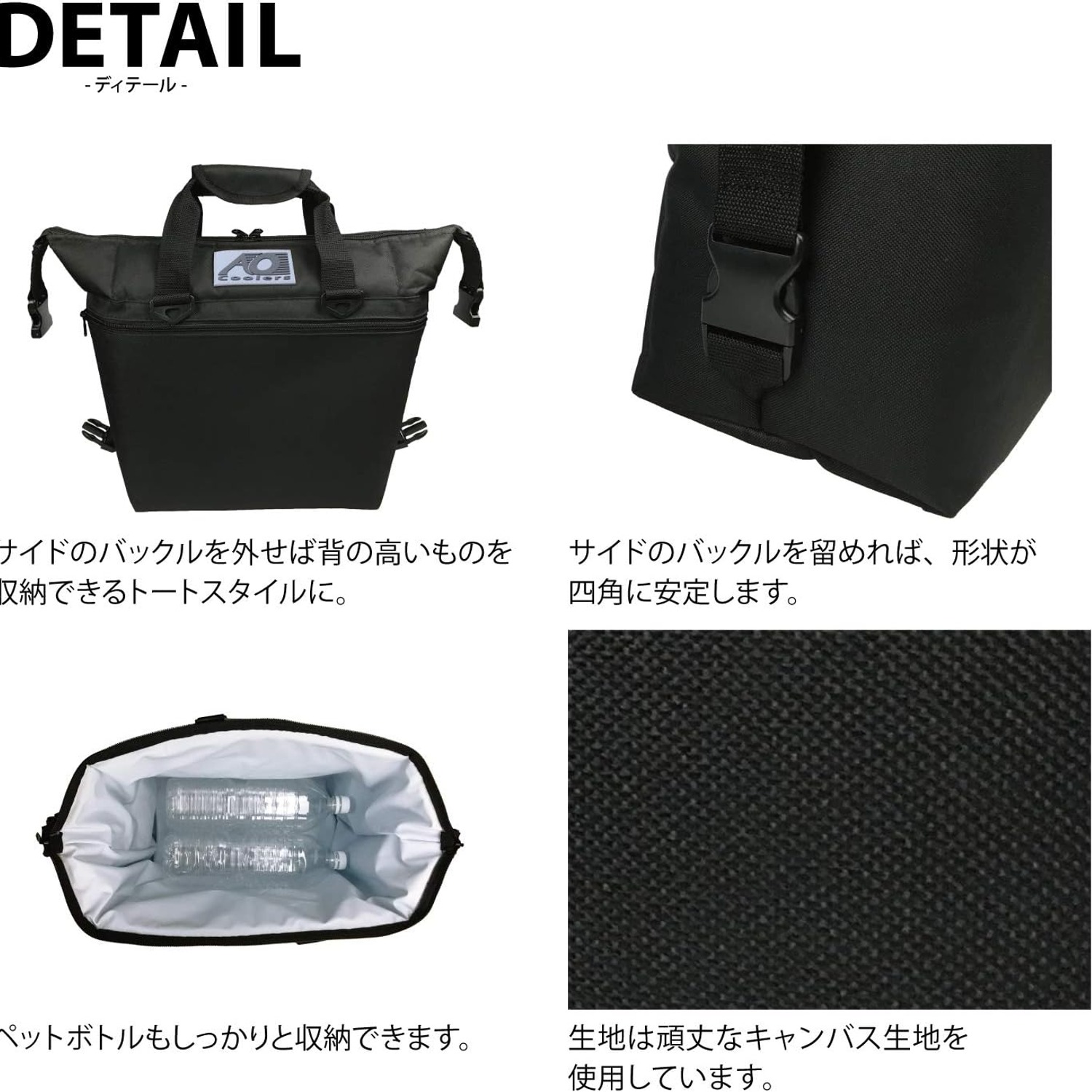
A proper soft cooler is a different piece of kit. It has real insulation thickness, a liner built to hold water rather than resist it for an hour, and enough internal volume that you can pack ice around your drinks instead of on top of them. That last point matters more than most people realise.
How a soft cooler holds cold
Cold does not get added to a cooler. Heat gets kept out. Everything about the design is aimed at slowing the rate at which outside warmth reaches the contents.
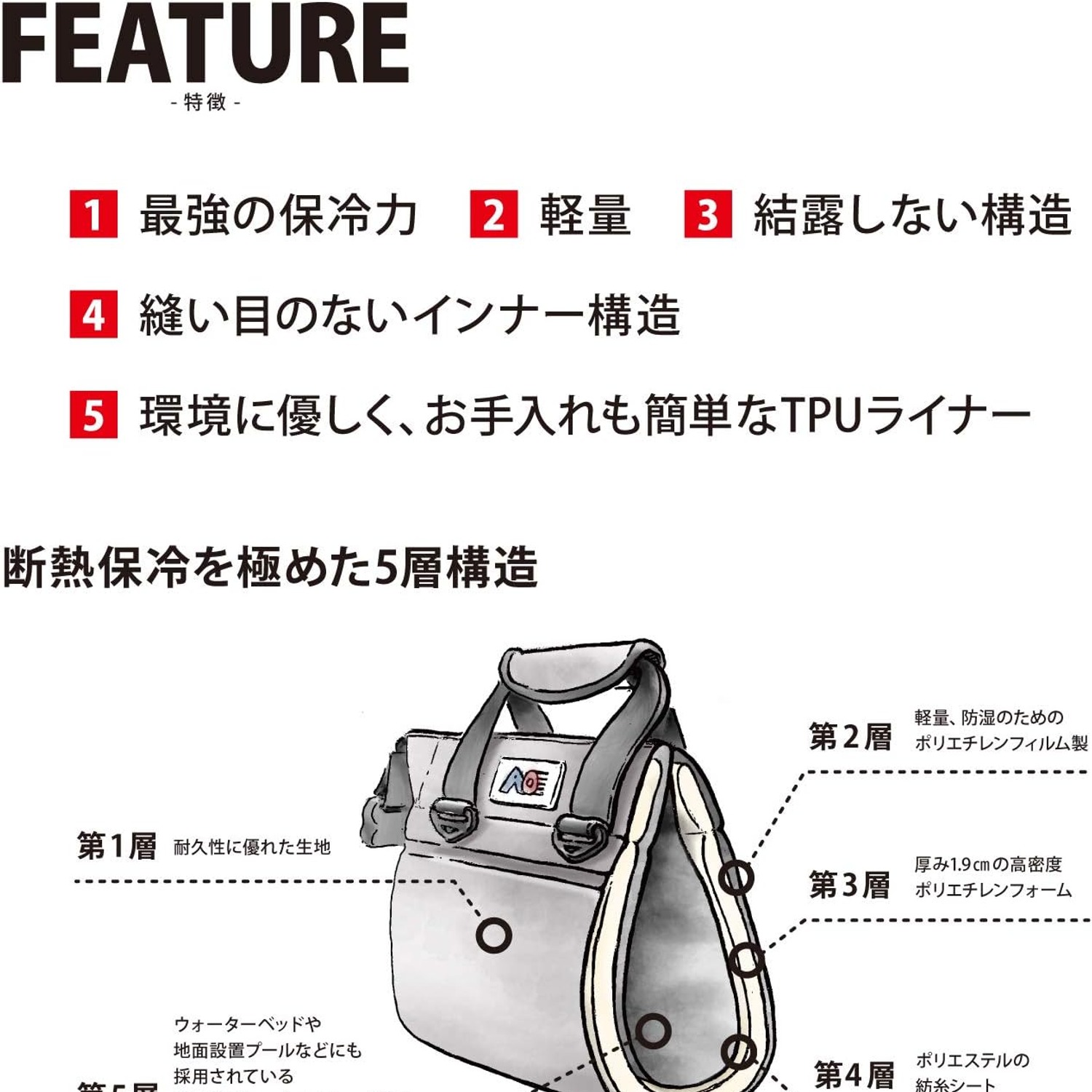
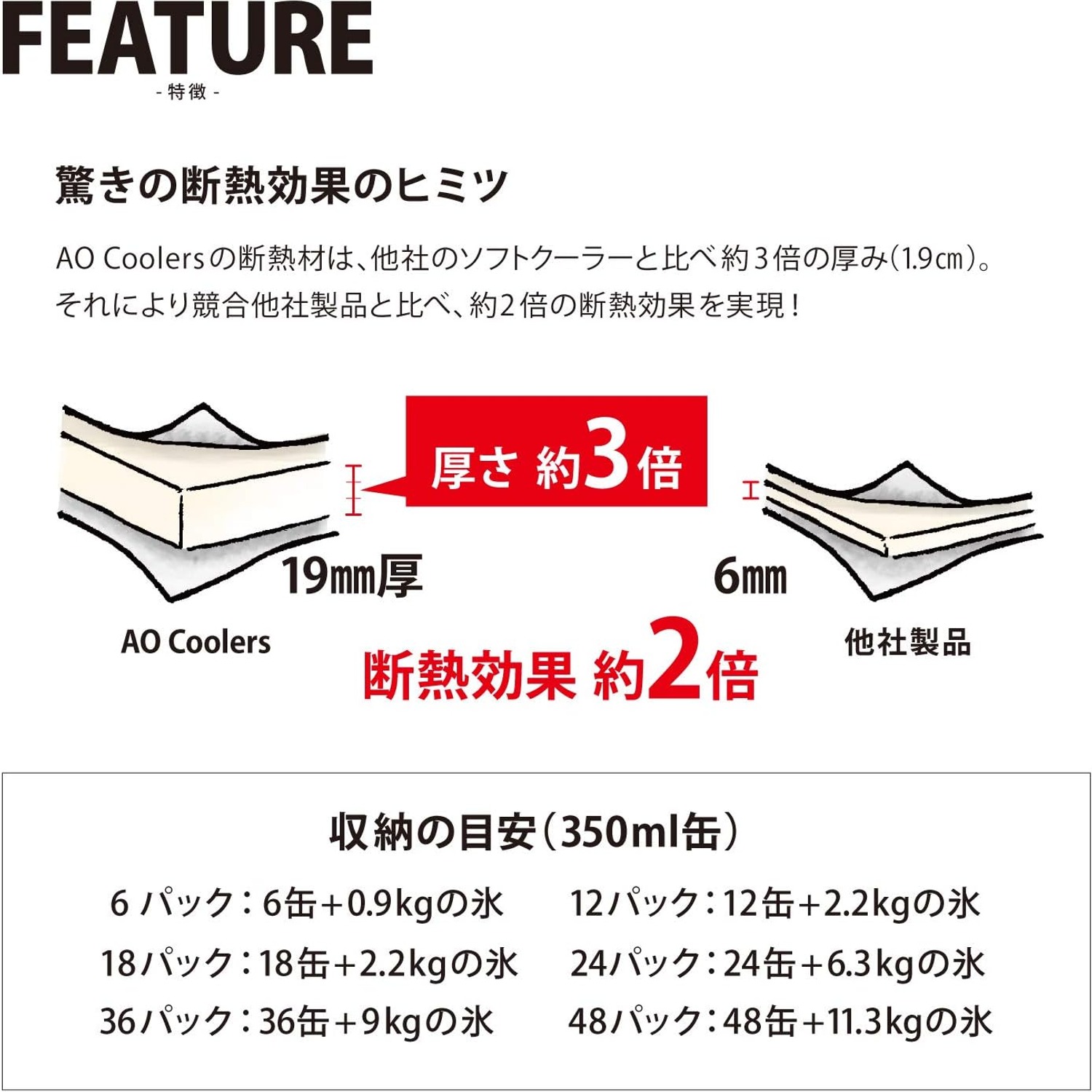
Insulation does the heavy lifting. Closed-cell foam traps air in tiny sealed pockets, and trapped air is a poor conductor of heat. Thicker foam means slower heat transfer. That is why a chunky-feeling bag outperforms a thin one every time, even if they claim the same litre rating.
The liner matters too. This model uses thermoplastic polyurethane, a material used where things need to hold water reliably. A liner like that does two jobs. It stops melt water escaping into your car boot, and it keeps the ice bath intact around your cans. Ice water in contact with a can cools it far faster than cold air does. If your melt water drains away, you lose that.
The third factor is you. Every time the bag opens, cold air falls out and warm air walks in. Decide what you want before you unzip it. A bag opened twice an hour will do noticeably worse than one opened twice a day, no matter what it cost.
What the numbers on this one mean
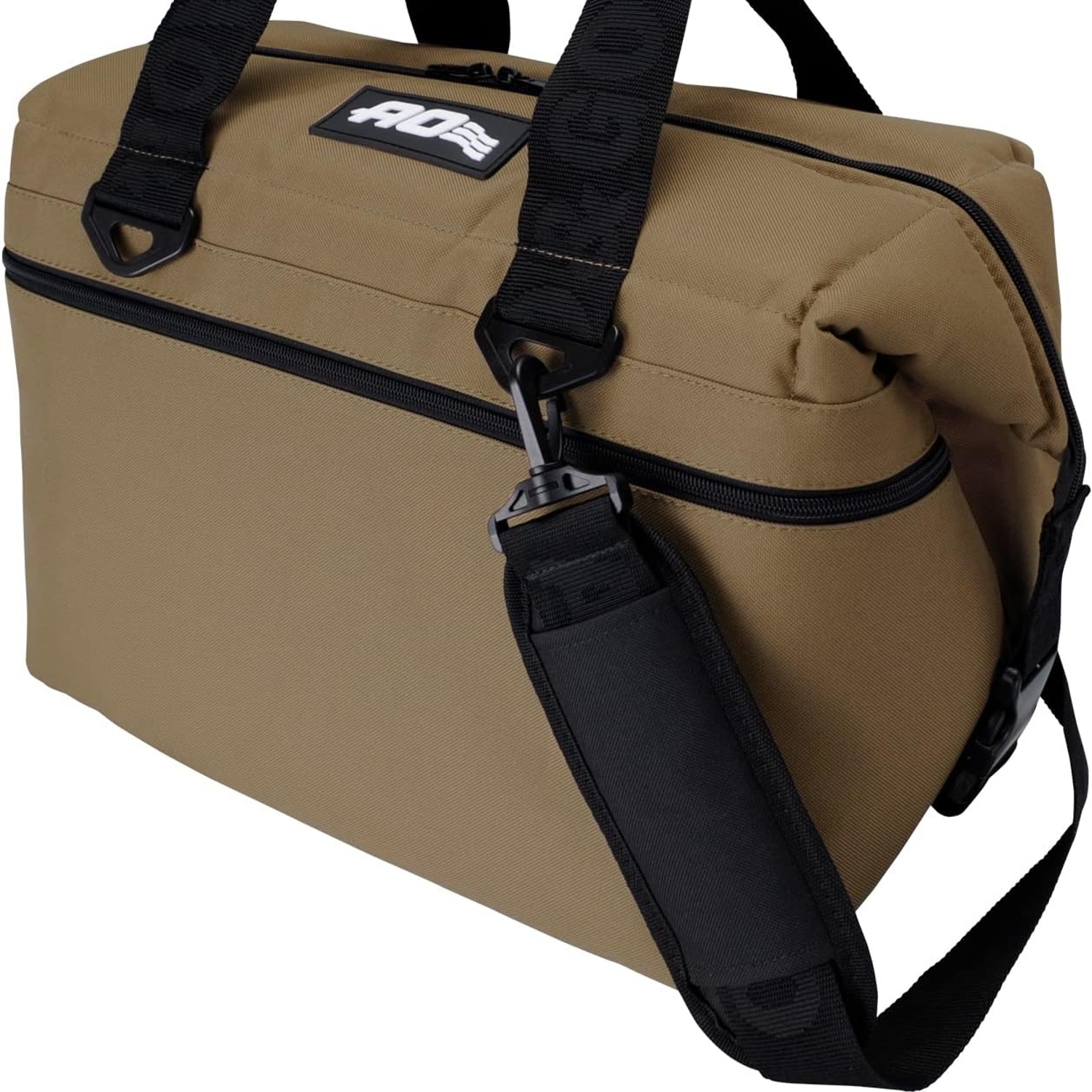
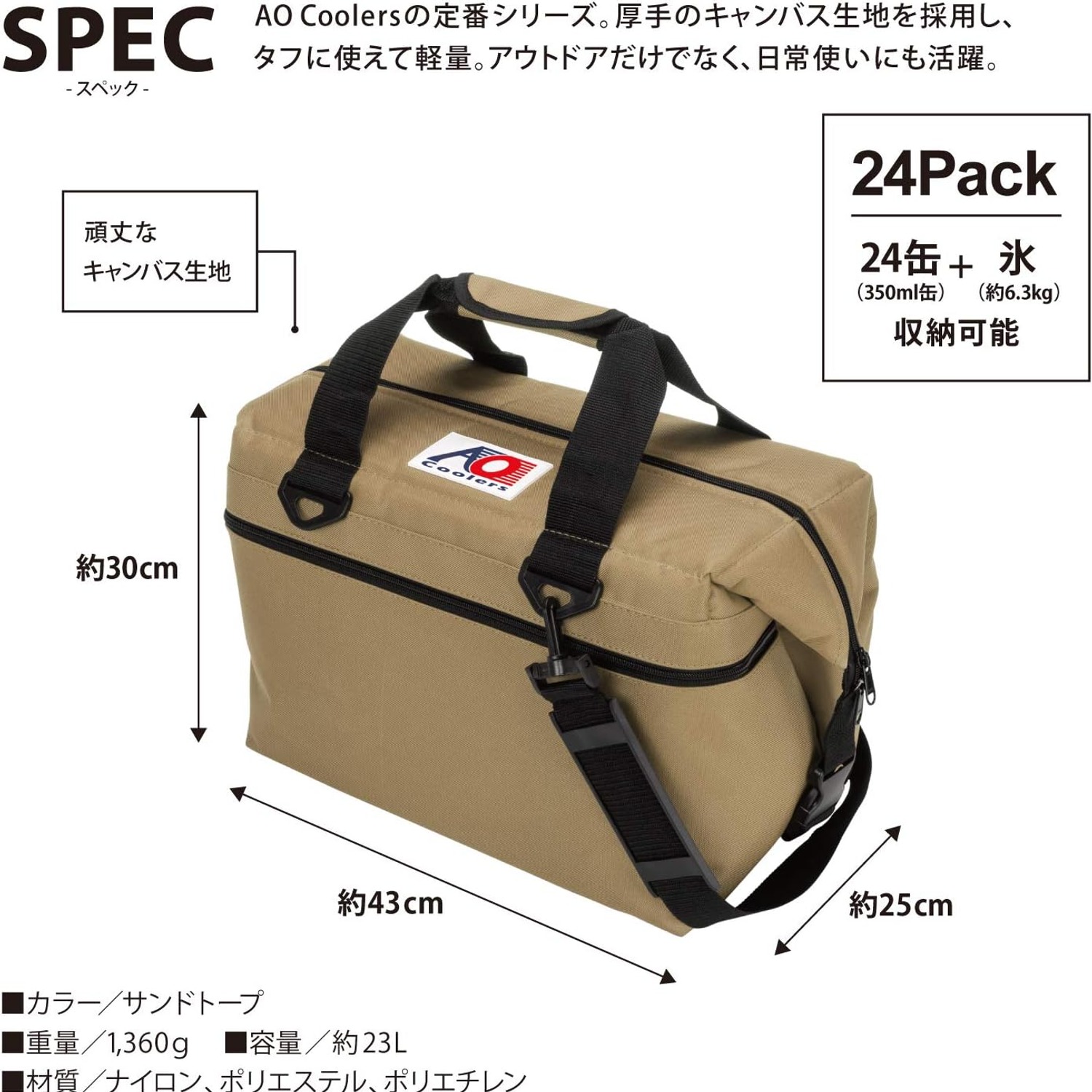
This bag holds 23 litres and is rated for 24 cans. In practice that means 24 cans plus a decent quantity of ice packed around them. If you want longer cold life, drop to 18 cans and add more ice. If you want maximum drinks for a short trip, go to the full 24 and accept a shorter cold window.
The footprint is 43 cm wide, 25 cm deep and 30 cm high. That is a useful shape. It stands upright, which keeps melt water where it belongs, and the 25 cm depth means it does not stick out awkwardly in a boot or on a boat seat.
The listed weight is 225 grams. For context, that is less than a full can. You are carrying the drinks, not the box. People who have lugged a hard cooler across a car park understand immediately why that figure matters.
Who this size suits
Twenty-four cans is the sweet spot for a lot of people. It covers a family day out, a couple of hours on the sideline at junior sport, a morning of fishing, or drinks for four or five adults at a barbecue.
It is probably too much if you only ever pack a solo lunch. It is probably not enough if you cater for a crowd every weekend or run multi-day camping trips without a power source. In that case you want a larger hard cooler as your base and a bag like this as the one you actually open, which saves your main cooler from constant lid-lifting.
Anyone shopping for the best 24 can cooler is usually balancing two things, capacity and carry weight. A soft build gives you more of the second without giving up much of the first.
Soft versus hard, honestly
Hard coolers win on long ice retention and on durability under rough treatment. You can sit on one. You can stack gear on it. If you are doing a four-day trip with no ice resupply, that is your tool.
Soft coolers win on weight, on storage, and on fitting into real vehicles with real amounts of other stuff in them. When a soft bag is empty it collapses into a cupboard. A hard cooler takes up the same space whether it is full or not, all year.
For day use, the soft bag is usually the better buy. For base camp, the hard one is. A lot of households end up with both and use them for different jobs.
Packing it properly
Start cold. Put drinks in the fridge the night before. A warm can dumped into ice spends the first hour stealing cold from everything else.
Use more ice than feels necessary. The old rule of roughly two parts contents to one part ice by volume is a reasonable starting point. Ice is not wasted space, it is the thing doing the work.
Pack ice around the sides and in the gaps, not just across the top. Cold sinks, so a top layer helps, but cans in contact with ice on their sides cool faster. Fill any remaining air gaps, because empty air warms up quickly.
Leave the melt water in until you are finished. People instinctively drain it, but ice water is a better conductor than air and keeps the contents cold. Drain it at the end of the day, not halfway through.
Keep the bag out of direct sun. Shade under a table, a towel over the top, or a spot in the footwell instead of the back window all make a measurable difference.
Looking after it
Cleaning a cooler is quick if you do it straight away and annoying if you do not. Empty it, wipe the liner with warm water and a mild detergent, rinse, then leave it open until it is bone dry inside.
Drying is the step people skip. A bag put away damp will smell by the next trip, and the smell is much harder to remove than it is to prevent. Stand it open in a garage overnight and you avoid the problem entirely.
Store it unzipped, somewhere dry, and do not leave it squashed flat under heavy gear for months. Creases in a liner are where wear starts. Treated sensibly, a bag like this lasts years of weekend use.
A note on materials
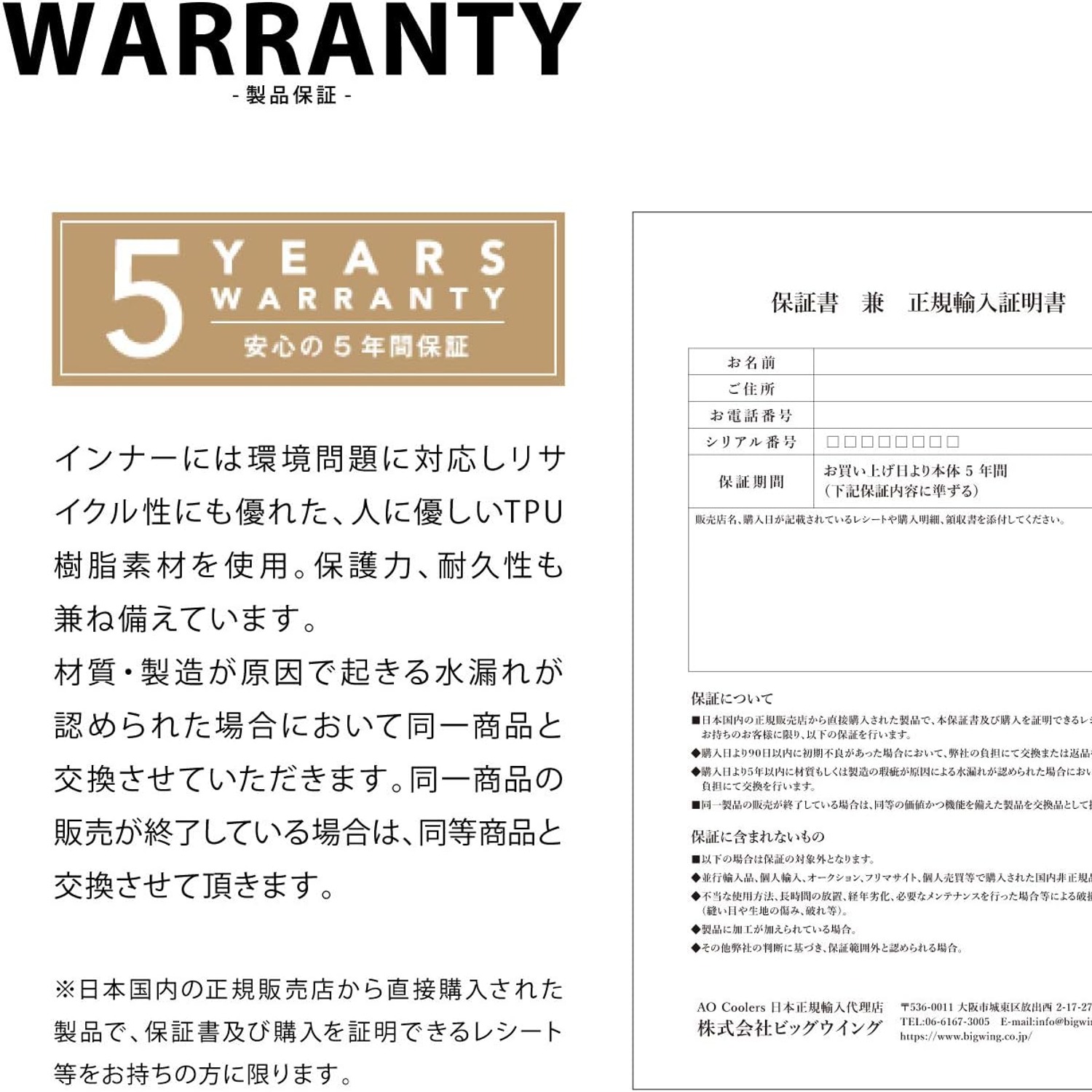
The shell on this model combines nylon and polyester, which is the standard pairing for outdoor gear because it handles abrasion and moisture without getting heavy. The liner and insulation are listed as thermoplastic polyurethane. The manufacturer also lists an EU spare part availability duration of five years, which is a supply commitment for parts rather than a warranty statement.
Country of origin is not specified in the record we hold, and we would rather tell you that than guess.
The short version
If you want a bag that carries 24 cans and ice, weighs almost nothing when empty, fits in a normal car boot and has a liner built to hold melt water, this one does that job. The 23 litre capacity suits day trips, fishing mornings, sideline sport and picnics.
Pack it cold, fill the gaps with ice, keep it shut and keep it shaded. Clean it the day you get home. Do those four things and any decent cooler will outperform an expensive one that gets treated carelessly.