
Camping Company
Company
Shop By Category
T&Cs
Shop Online
  • Clear materials and product specifications
  • Free tracked delivery across the UK over £100
  • 14-day returns

2 Person Backpacking Tent | Lightweight Hiking Tent | Wild Camping Tent

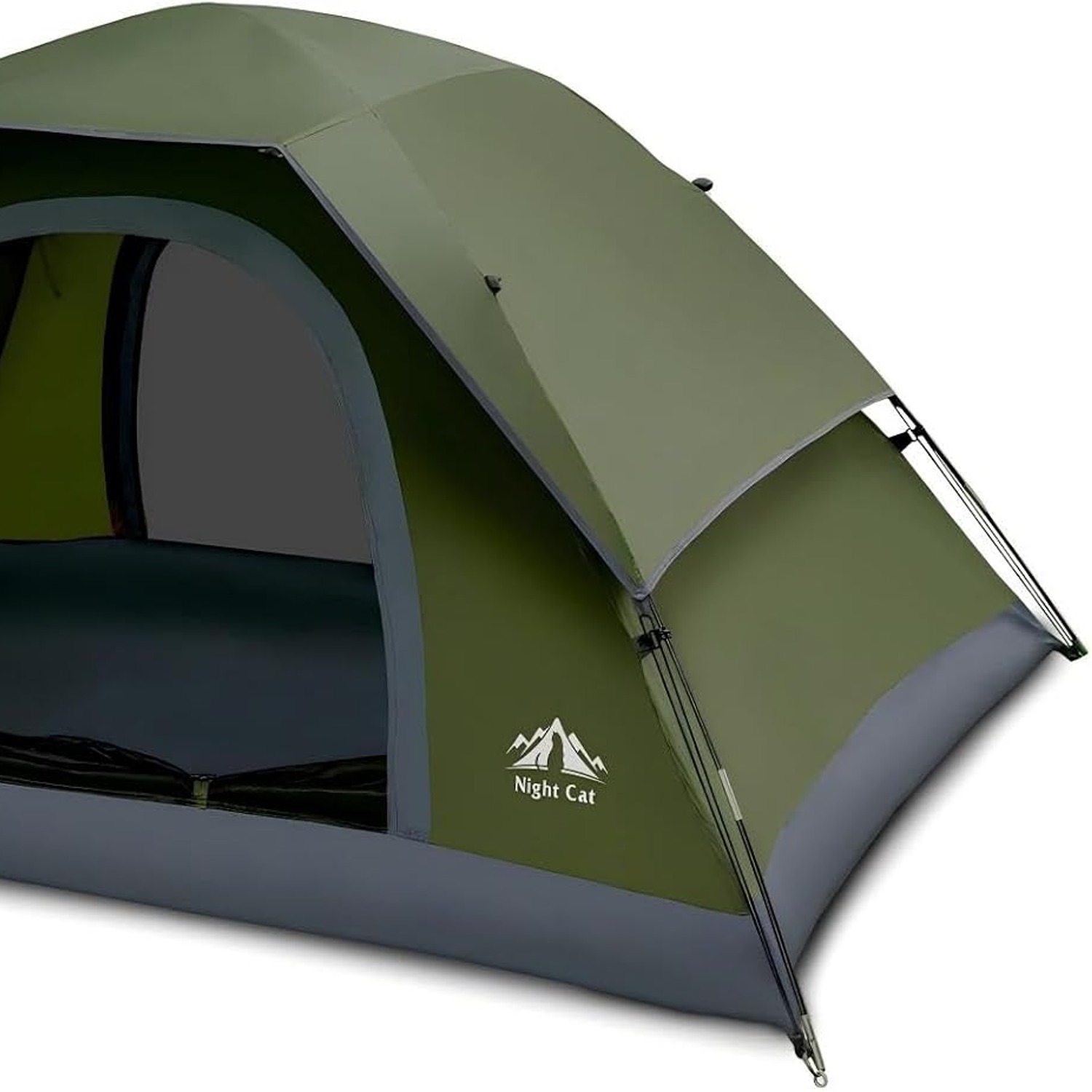
Night Cat Lightweight Backpacking Tent

£140.99 £168.99 Save £28
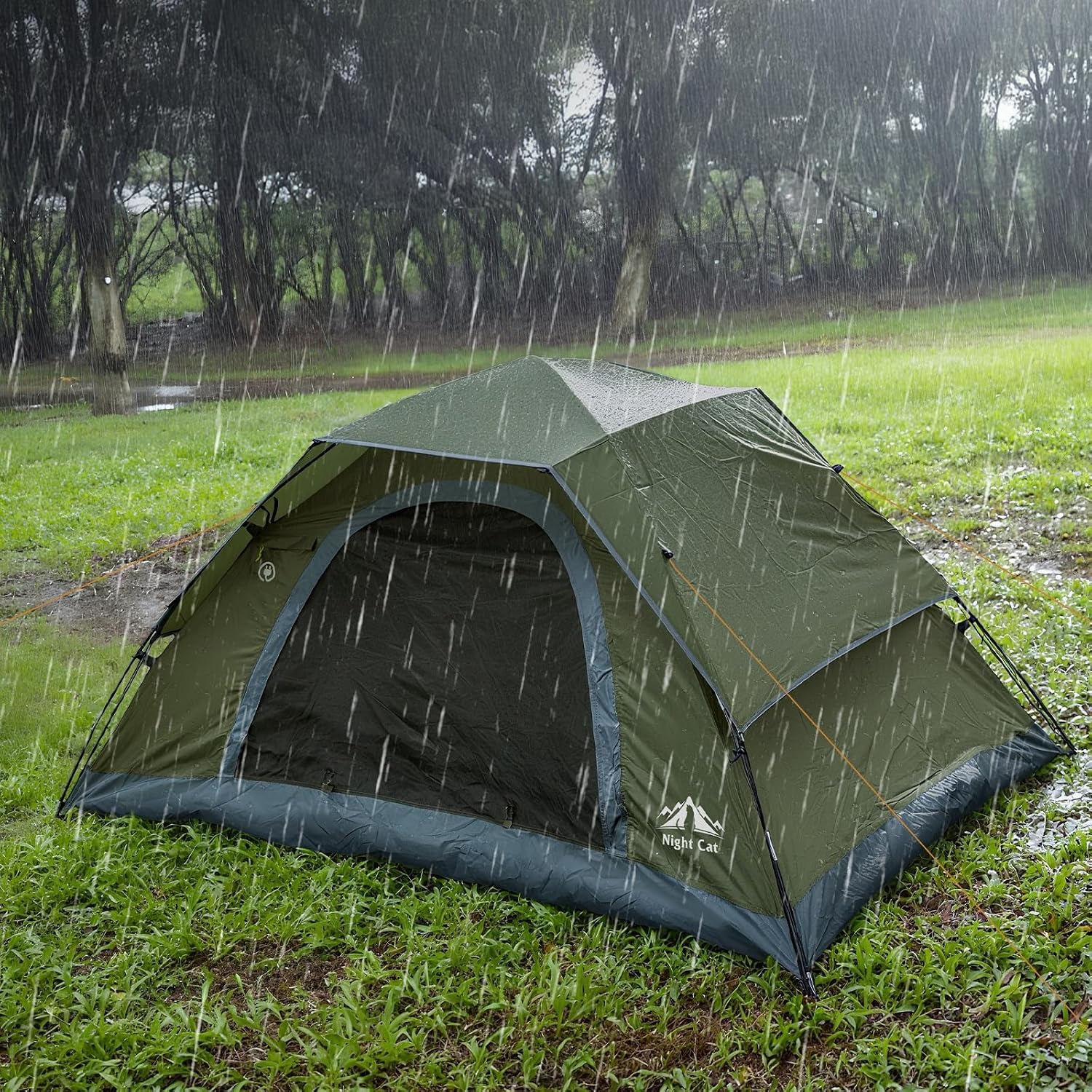
  • 3000 mm Waterproof
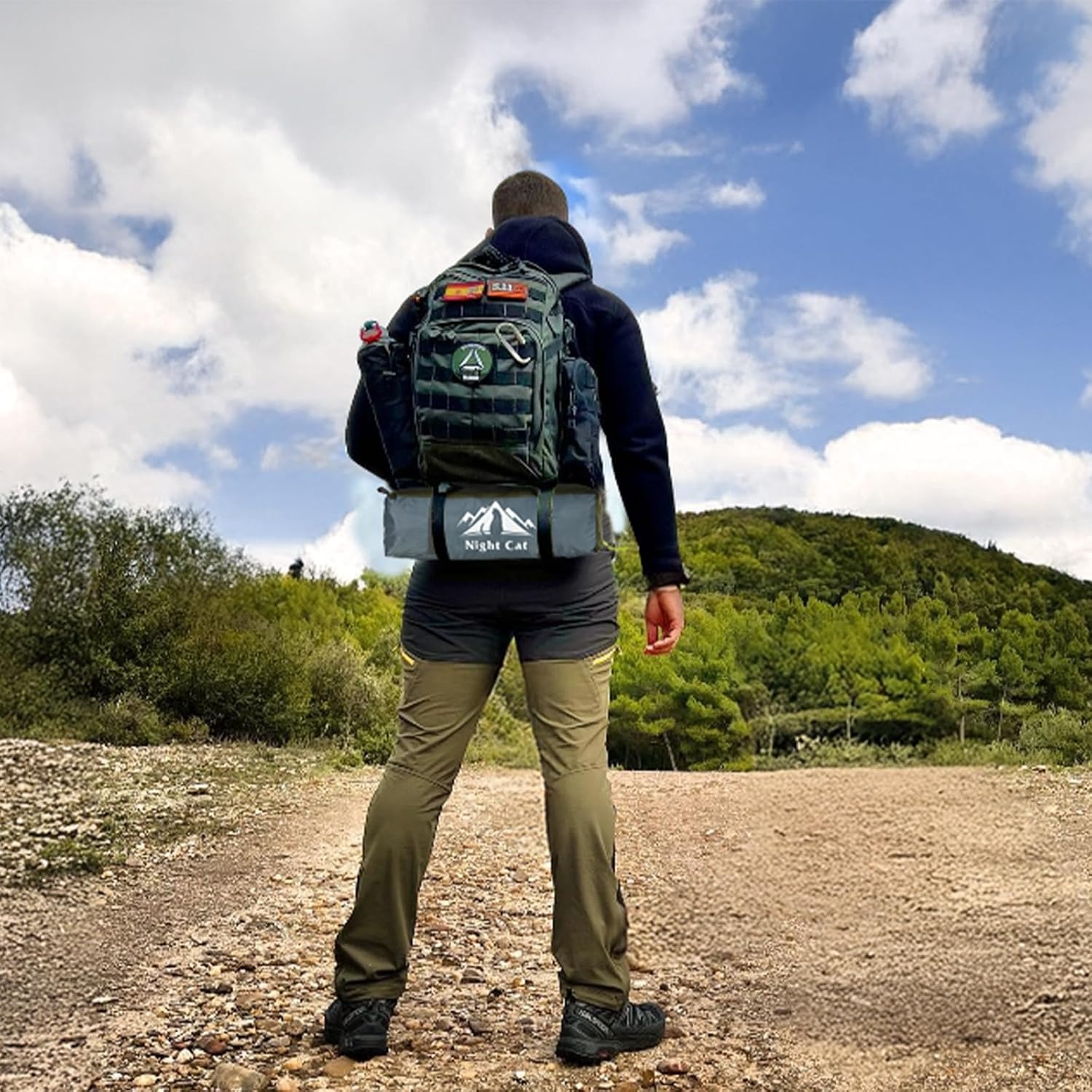
  • 2.45 kg Packed
  • Two Minute Pitch
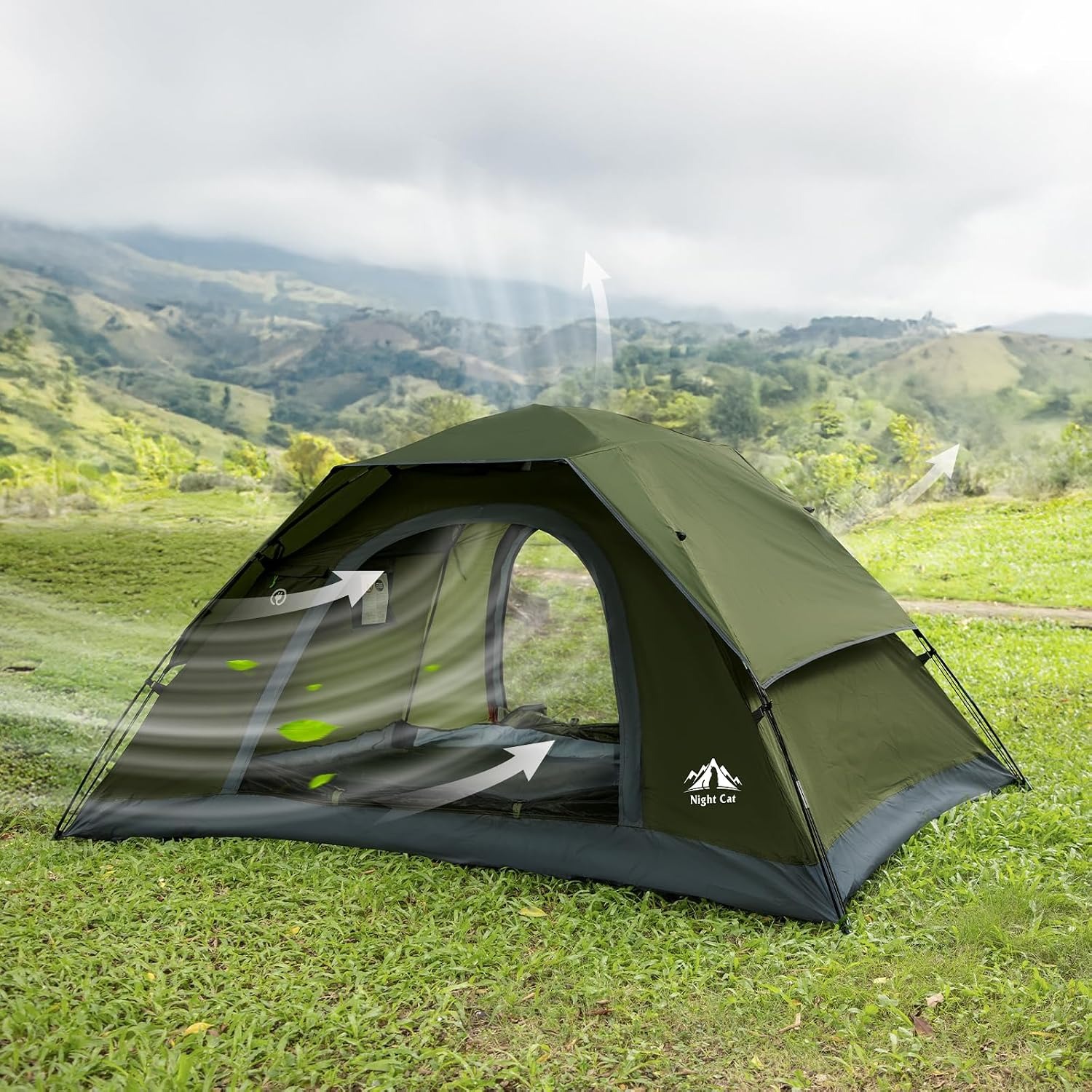
  • Two Doors

Price: £140.99 £168.99

  • Free tracked delivery across the UK on orders £100+, otherwise a flat £12
  • Pay by card or PayPal, handled by the payment provider
  • 14 days to change your mind, plus your statutory rights
Product specifications
BrandNight Cat
Model NumberZP-30
Tent DesignDome camping tent
Installation TypeFreestanding
Occupant Capacity1 person
Number Of Rooms1
Number Of Doors2
Number Of Poles2
Pole AttachmentClip
Pole MaterialFibreglass
Number Of Stakes10
Stake MaterialAluminium
Number Of Guylines4
Closure TypeZipper
Fly FabricPolyester
Fabric TypePolyester
Floor Material150D Oxford waterproof fabric
Water Resistance3000 mm
WaterproofYes
SeasonsYear round use
Floor Length220 cm
Floor Width150 cm
Maximum Height110 cm
Floor Area3 square metres
Pitched Dimensions2.3 m L x 2.1 m W x 1.2 m H
Packed Weight2.45 kg
Minimum Trail Weight2.45 kg
Assembly RequiredYes
Assembly TimeAbout 2 minutes
ColourArmy Green Pro
ShapeRound
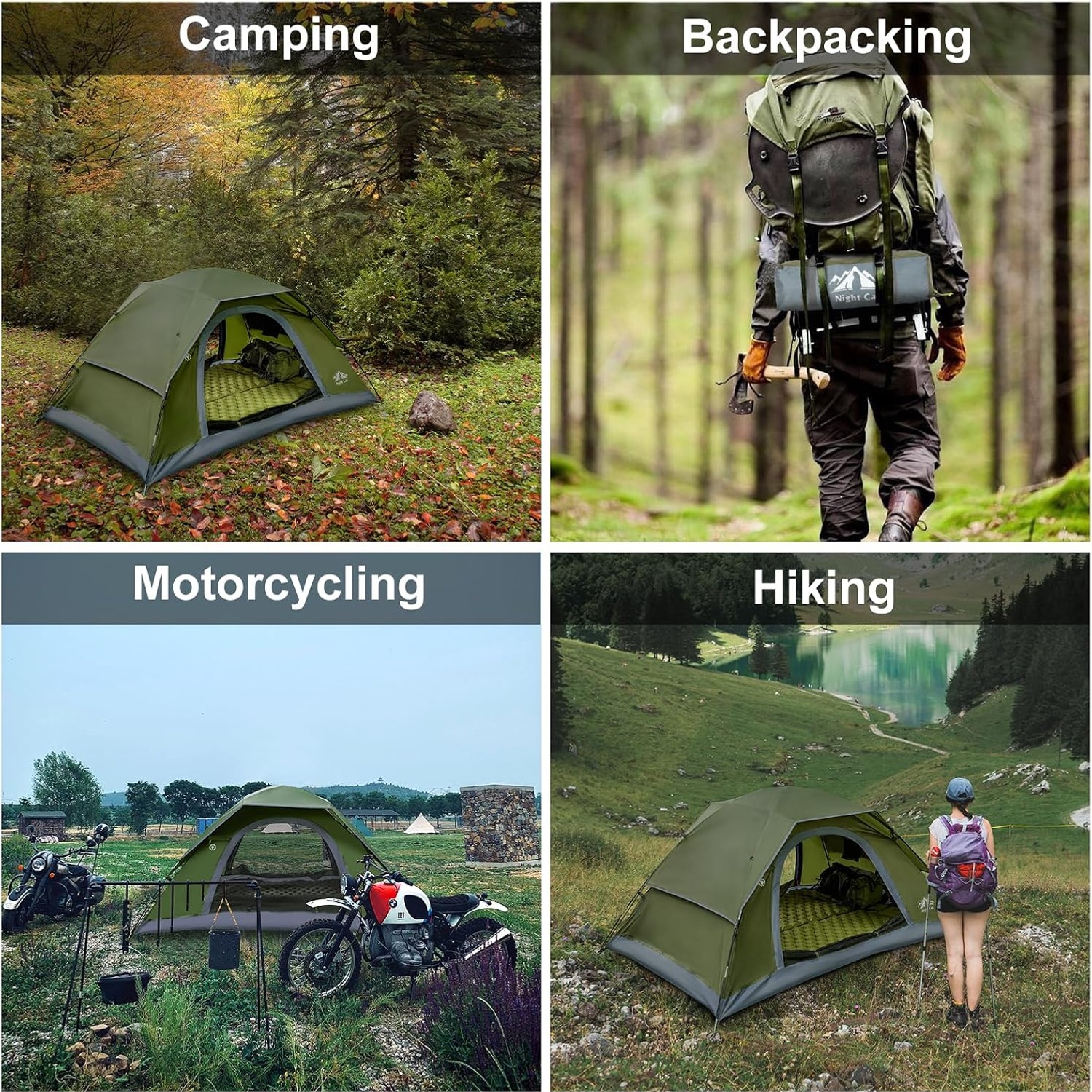
Recommended UseCamping and hiking
Age RangeAdult
CareHand wash
Weight2.45 kg
Shipping & returns

Tracked delivery anywhere in the UK. It is free on orders of £100 or more, and a flat £12 below that.

Under the Consumer Contracts Regulations 2013 you have 14 days from delivery to cancel for any reason, and a further 14 days to send it back in resaleable condition. We refund the price you paid, including standard delivery. You cover the cost of returning it unless the item is faulty.

If it arrives faulty, damaged or not as described, we put it right at no cost to you under the Consumer Rights Act 2015, return postage included.

Shipping details · Refunds and returns

3000 mm WaterproofPolyester fly and 150D Oxford floor hold off steady rain.
2.45 kg PackedLight enough to carry all day on the trail.
Two Minute PitchClip-on poles mean camp is up before the kettle boils.
Two DoorsCross-flow airflow and an easy exit from either side.

A lightweight hiking tent that packs small, pitches in about two minutes, and keeps the weather out when the sky turns.

Waterproof 190T polyester with a 150D Oxford floor rated to 3000 mm, two doors for airflow and easy exits, clip-on fibreglass poles, ten stakes and four guylines, all at 2.45 kg packed.

A freestanding dome shelter built for people who carry their own camp, with a packed weight of 2.45 kg and a simple clip-on pole setup.

The 190T polyester fly and 150D Oxford floor are both rated to 3000 mm, so a long night of moderate rain stays outside where it belongs.

Two zippered doors and a one-and-a-half layer build keep air moving and cut down on the closed-in feeling you get in single-door tents.

Ten stakes and four guylines come in the bag, so you can tension it properly on exposed ground instead of hoping for the best.

Floor area is roughly 3 square metres with a maximum height of 110 cm, giving you room to sit up, sort gear and sleep without touching the walls.

Night Cat Lightweight Backpacking Tent

This is a small, freestanding dome tent aimed squarely at people who walk in with everything on their back. The packed weight is 2.45 kg, which is light enough that you stop noticing it after the first kilometre, and the structure stands on its own once the two fibreglass poles are clipped in. That matters more than it sounds. A freestanding shell can be picked up and shifted a metre to the left when you find a root under the floor, or shaken clean before it goes in the bag.

Night Cat Lightweight Backpacking Tent

Weather protection comes from a layered approach rather than one clever trick. The 190T polyester fly and the 150D Oxford floor are both rated to 3000 mm, a figure that describes how tall a column of water the fabric can hold before it starts to pass through. In real terms that covers steady rain through the night and the damp that rises out of wet ground. Ten aluminium stakes and four guylines are supplied so you can pin the corners down and tension the fly away from the inner, which is the part most people skip and then wonder why the walls feel clammy.

Night Cat Lightweight Backpacking Tent

The two-door layout is the feature you will appreciate most after a few nights out. Open both and air crosses the tent instead of pooling, which pulls condensation down and makes a warm evening far more bearable. The one-and-a-half layer design adds to that airflow without turning the tent into a mesh box. Two doors also mean you can keep boots and a pack on one side and still climb out the other without crawling over your own gear.

Night Cat Lightweight Backpacking Tent

Inside, the floor runs 220 cm long and 150 cm wide with a peak of 110 cm, giving roughly 3 square metres. One adult gets a generous amount of room for a sleeping mat, a bag and a stuff sack of clothes. Two people at a squeeze will fit if neither of them brings much, though most will treat it as a roomy solo shelter rather than a true two-person tent. The 110 cm height is enough to sit upright, pull on a jumper and organise a pack without lying flat on your back.

Night Cat Lightweight Backpacking Tent

Setup is listed at about two minutes, and that is a fair estimate once you have pitched it a couple of times. The clip system means you thread nothing. Poles cross over the top, clips snap on, fly goes over, stakes go in. There is no sleeve to fight with in the dark and no colour-coded puzzle to solve in the rain. SBS zippers run the doors. The supplied bag packs it small enough to sit inside or strapped to a mid-size pack.

Not sure yet? That is fine.

Camping gear has to suit your trip and your climate, and you cannot always judge that from a photograph. Under the Consumer Contracts Regulations 2013 you have 14 days from delivery to cancel for any reason, and a further 14 days to send it back in resaleable condition. We refund the price you paid, including standard delivery.

If it turns up faulty, damaged or not as described, that is on us. The Consumer Rights Act 2015 covers you, and we pay the return postage. Read the full detail on our refunds and returns page, or ask us anything before you order.

Frequently Asked Questions

What exactly is this tent?

It is a freestanding dome tent from Night Cat, model ZP-30, built for backpacking and hiking. The frame is two fibreglass poles that clip to the body, and the whole thing packs down to 2.45 kg. It is a single-room shelter with two doors.

How many people does it actually sleep?

The stated occupancy is one person. The floor is 220 cm by 150 cm, which is generous for one adult plus gear. Two slim people with minimal kit could share it at a squeeze, but most buyers treat it as a roomy solo tent.

How much does it weigh?

Packed weight and minimum trail weight are both listed at 2.45 kg. That includes the body, fly, poles, stakes and guylines. It is light enough for day-long carries without being an ultralight specialist shelter.

Is it genuinely waterproof?

The polyester fly and the 150D Oxford floor are both rated to 3000 mm. That rating means the fabric holds a 3000 mm column of water before it starts to pass through, which covers steady rain over a full night. Pitch the fly taut and stake the corners for best results.

What does a 3000 mm rating mean in practice?

It is a hydrostatic head measurement. Anything above 1500 mm is considered waterproof for camping, and 3000 mm gives you comfortable margin in sustained rain. Ground pressure from knees and elbows is where cheap floors fail, so the 150D Oxford base matters as much as the number.

How long does it take to set up?

The listed assembly time is about two minutes. The clip-on pole system means you never thread a pole through a sleeve, which is what slows most tents down. After one or two practice pitches at home you will hit that time easily.

Is it freestanding?

Yes. Once the two poles are clipped in, the tent holds its own shape without stakes. That lets you lift it and move it to a better patch of ground, or shake dirt out before packing. You should still stake and guy it for wind and for proper fly tension.

How many poles, stakes and guylines come with it?

Two fibreglass poles, ten aluminium stakes and four guylines are included. Ten stakes is more than the bare minimum, so you have spares if one bends on rocky ground. The guylines let you tension the fly away from the inner wall.

What are the poles made of?

Fibreglass. Fibreglass poles are heavier than aluminium but flex well and are inexpensive to replace. Avoid forcing them when they are cold or when a section is not fully seated, as that is when splintering happens.

What is the interior height?

Maximum height is 110 cm at the peak. That is enough to sit upright comfortably, change a shirt and sort through a pack. It is not a stand-up tent, which is normal for anything in this weight class.

What is the packed size?

The product record gives a packed weight of 2.45 kg but does not confirm a packed bag measurement in the specification list, so we have not published one. It is sized to carry inside or strapped to a mid-capacity hiking pack.

Can I use it in winter?

The listing describes year round use, and it will handle cold, wet conditions with the fly on. It is not a mountaineering tent and is not designed for heavy snow loading. For general three season camping and mild winter nights it is well within range.

Why does it have two doors?

Two doors give you cross-flow ventilation, which is the single best way to cut condensation. They also mean you can keep boots and a pack by one entrance and still get out the other side. Many people rate this as the best two door tent feature for solo use.

Does it get condensation inside?

Every tent does to some degree, because you breathe out moisture all night. Opening both doors or their vents and keeping the fly tensioned away from the inner reduces it a lot. Pitching away from the very edge of water and off damp hollows helps too.

Is this suitable for wild camping?

Yes, it suits wild camping well. The low profile, dark green colour and quick pitch all help when you want to arrive late and leave early. Always follow local access rules and leave no trace.

Will it work for bikepacking or motorcycle touring?

It will. At 2.45 kg it is reasonable for a bike setup, and the freestanding frame is handy on hard-packed ground where stakes do not bite well. Many riders rate a compact dome like this as the best tent for motorcycle touring on a budget.

Can I use it at a festival?

Yes. It pitches fast, which matters when you arrive to a crowded field, and the two doors help on hot afternoons. Just be aware that it is a small shelter, so plan for one person plus bags.

Is it good for fishing trips?

It works well as an overnight base by a river or lake. The waterproof floor handles damp ground and the small footprint fits into tight bank spots. Give it a rinse afterwards if it picks up mud or bait residue.

What are the zips like?

The tent uses SBS zippers on the doors. Keep them free of grit, because sand in the teeth is the most common reason tent zips fail. A quick brush at the end of each trip is all it takes.

How do I clean it?

Hand wash only. Use cool water and a mild, non-detergent soap on a sponge, rinse it off and let it air dry completely. Machine washing, tumble drying and dry cleaning will damage the waterproof coatings.

How should I store it between trips?

Make sure it is fully dry first, even if it looks dry on the outside. Store it loosely in a dry cupboard rather than crammed into the stuff sack for months, as constant compression stresses the coating along the fold lines. Keep stakes in a separate pouch so they do not puncture the fabric.

Do I need a separate groundsheet?

Not strictly, since the floor is 150D Oxford rated to 3000 mm. A cheap footprint or tarp under it will still extend the floor's life on stony or stubbly ground. It also keeps the underside cleaner at packing time.

Can I repair it if the fabric tears?

Small tears can be patched with adhesive tent repair tape, which is worth carrying in the bag. Pole sections can usually be splinted with a short sleeve of alloy tube. For anything structural, contact us before attempting a permanent fix.

What colour is it?

The colour listed is Army Green Pro. It is a muted green that blends well into bush and woodland sites. Darker shades also show less dirt than pale fabrics.

Does it offer UV protection?

The listing marks UV protection as assumed rather than confirmed, so we are not making a specific claim. As a general rule, prolonged direct sun degrades any polyester tent over time. Pitch in partial shade when you can and avoid leaving it set up for weeks on end.

Is this a good first tent for someone new to hiking?

It is a sensible starting point. The clip poles make setup forgiving, the weight is manageable and the waterproofing is solid for normal conditions. Many people looking for the best budget hiking tent land on a shelter in this class.

How does it handle wind?

A low dome shape sheds wind better than a tall tent, and the four guylines let you anchor it properly. Pitch with the smaller end facing into the wind and get every guyline tensioned. In genuinely severe weather, look for a dedicated mountain tent instead.

What is delivery like?

Orders ship from our fulfilment partner and you will get tracking by email once the parcel is on its way. Delivery times vary by destination and are shown at checkout. If anything looks delayed, contact us and we will chase it.

Does it make a good gift?

It does, especially for someone getting into hiking, fishing or festivals. A compact, quick-pitch tent is one of those gifts that gets used rather than stored. Keep the packaging intact if it is a surprise, in case sizing or style needs a swap.

What if it is not right for me?

Get in touch and we will sort it out. If the tent is unused and still in its original packaging, we will arrange a return or exchange within our standard returns window. If something arrived damaged or a part is missing, send us a photo and we will replace it rather than ask you to post the whole thing back.

How to Choose a Lightweight Backpacking Tent That Actually Works

6 min read Camping Company

The problem with most small tents

Here is what usually happens. Someone books a weekend walk, buys the cheapest two-person tent they can find, and discovers three things at once. It weighs more than the sleeping bag and the food combined. The floor soaks through where their hip presses down. And by morning the inner wall is running with water, so everything they own is damp.

None of those problems are mysterious. They come from the same place, which is a tent designed to look good folded on a shelf rather than to be carried up a hill and slept in during rain. A lightweight hiking tent has to do three jobs well: stay under a weight you can actually walk with, keep water out from above and below, and move enough air to stop you condensing a small weather system inside it.

The Night Cat ZP-30 is a straightforward answer to those three jobs. It weighs 2.45 kg packed. The fly and floor are both rated to 3000 mm. And it has two doors instead of one, which is the cheapest, most effective ventilation trick there is.

How the waterproofing actually works

Tent waterproofing gets described with a single number, in this case 3000 mm, and that number confuses a lot of people. It is a hydrostatic head rating. Picture a tube of water standing on the fabric. The rating tells you how tall that column can get before water starts seeping through. At 3000 mm you are comfortably above the threshold most people consider waterproof, which sits around 1500 mm.

But the fly is only half the story. Water comes at a tent from two directions. Rain lands on top, and ground moisture pushes up from below, helped along by your own body weight squashing the fabric into wet earth. That is why the floor on this tent is 150D Oxford rather than the same thin polyester used overhead. The denser weave handles abrasion from grit and stones, and it is also rated to 3000 mm, so it resists that upward pressure from a soggy pitch.

Then there is condensation, which is not a leak even though it feels like one. You exhale roughly a cup of water over a night's sleep. In a sealed tent that vapour hits the cold fly and turns back into liquid. The one-and-a-half layer build on this tent, combined with the two doors, gives that moisture a route out. Keep both doors or their vents cracked open and you will wake up to a drier interior, even on a cold morning.

Why two doors matters more than you think

A single-door tent sounds fine until you live in one. Your pack sits in the only entrance. Your boots sit on top of your pack. At two in the morning you have to climb over the whole pile to get outside, in the dark, half asleep.

Two doors solve that. One side becomes storage, the other becomes your way in and out. They also change the airflow completely. With one opening, air sits still. With two, even a light breeze moves straight through and carries moisture with it. On a warm night that difference is the gap between sleeping and lying there sweating.

The parallel pole layout on top of this tent also widens the view out of each door and takes away some of the coffin feeling that low dome tents can have. You are still in a small shelter, but it does not press in on you the same way.

Who this tent suits

This is a solo shelter, and it is honest about that. The listed occupancy is one person, with 220 cm of floor length and 150 cm of width. That gives one adult a sleeping mat, a pack and a spare stuff sack with room left over. If you are tall, the 220 cm length means your bag is not jammed against the end wall.

It suits weekend hikers who want to go further than a campsite car park. It suits anglers who need an overnight base by the water. It works for bikepacking and for motorcycle touring, where the freestanding frame helps on hard gravel that stakes refuse to bite into. Festival-goers get the fast pitch and the compact footprint.

Who it does not suit is anyone planning a genuine two-person trip with full kit, or anyone heading into snow. For shared trips you want a proper two-person shelter with a bigger vestibule. For serious winter or exposed alpine ground, you want a four-season tent with aluminium poles and a steeper profile.

Reading the numbers before you buy

Weight is the number people fixate on, and it matters, but only in context. At 2.45 kg this sits in the middle of the pack. Lighter tents exist, but they usually trade away pole strength, floor thickness or interior room to get there. If you walk 15 to 25 km a day with a 12 kg pack, 2.45 kg is barely noticeable. If you are counting grams for a long-distance trail, you would look elsewhere and pay considerably more for the privilege.

Floor area is the number people ignore. Three square metres sounds abstract. Think of it instead as a mat plus a pack plus the space to sit up and get dressed. Peak height of 110 cm means you can sit cross-legged and eat without hunching.

Pole material is worth understanding too. These are fibreglass. Fibreglass flexes well and costs little, but it is heavier than aluminium and it can splinter if forced when a section has not seated properly. The fix is simple. Assemble the poles gently, push each joint fully home, and never bend a cold pole hard to make it reach a clip.

Then look at stakes and guylines. Ten stakes and four guylines is a decent kit. A lot of budget tents ship with six bent pins and no lines at all, which means you can never tension the fly properly. Tensioning is what stops the fly touching the inner, and fly touching inner is the main cause of so-called leaks in otherwise sound tents.

Pitching it well

Pick your ground first, before you unroll anything. Avoid hollows where water collects, look up for dead branches, and sweep away stones and twigs with your boot. Thirty seconds of ground prep saves a punctured floor.

Lay the tent out and orient the smaller end into the prevailing wind. Clip the two poles together, cross them over the top and clip the body on. Stake the four corners. Throw the fly over and peg it out so the fabric is tight, not sagging, then run the guylines to a wide angle and tension them. Tight fly, loose doors. That is the shape you want.

In hot weather, roll both doors back and let the breeze run through. In rain, close them but leave the vents open. Shelter is about managing airflow, not sealing yourself in.

Care that keeps it alive

A tent dies from three things: UV, grit and being packed away damp.

Sunlight breaks down polyester slowly but permanently, so avoid leaving it pitched in full sun for days on end when you have a shaded option. Grit wrecks zips, so brush the teeth out at the end of each trip. And damp is the killer. If you pack a wet tent and leave it a week, you will open a bag of mould that smells forever and has already started eating the coating.

Cleaning is hand wash only. Cool water, a soft sponge, a mild soap that is not a detergent. Rinse it off and hang it in shade until it is completely dry, including the stake pockets and the seam tape. No machine, no dryer, no iron.

For storage between seasons, loosen it off. A tent crammed hard into its sack for six months develops permanent creases where the waterproof layer cracks. A pillowcase in a dry cupboard works better than the stuff sack.

The short version

If you want a small, quick, weatherproof shelter you can carry all day without resenting it, this does the job. The 3000 mm rating on both the fly and the Oxford floor handles real rain. The two doors make it liveable rather than merely survivable. The clip-on poles mean you are pitched in about two minutes, which is exactly when you want to be pitched, standing in the wet at dusk.

Treat it as a generous one-person tent, not a tight two-person one, and you will be happy with it. Stake it out properly, keep it dry when it is packed, and it will come back from a lot of trips.

Browse the shop

Not sure if this is the right size?

Tell us where you camp and what you carry, and we will say honestly whether this tent fits your trips.

Ask us a question

Page summary

The Night Cat ZP-30 is a freestanding dome backpacking tent weighing 2.45 kg packed. It uses a 190T polyester fly and a 150D Oxford floor, both rated to 3000 mm water resistance. The frame is two clip-on fibreglass poles, supplied with ten aluminium stakes and four guylines. It has two zippered doors, one room, and a one-and-a-half layer design for ventilation. Interior floor measures 220 cm by 150 cm with a maximum height of 110 cm and about 3 square metres of floor area. Pitched dimensions are 2.3 m by 2.1 m by 1.2 m. Stated occupancy is one person and assembly takes about two minutes. Care is hand wash. Colour is Army Green Pro. Country of origin is not specified in this record.