
The complete guide
How To Choose A Kids Sleeping Bag That Actually Keeps Them Warm
The problem with handing a child an adult sleeping bag
Most families start the same way. There is a spare adult bag in the garage, the child is small, and it seems like a generous amount of room. Then the first night happens. The child wakes up at two in the morning, cold, with half a metre of empty bag below their feet acting like a cold air reservoir. Nobody sleeps. The trip goes downhill from there.
Sleeping bags do not produce heat. They trap the heat a body gives off. The more empty space inside the bag, the more air the child has to warm before they feel comfortable, and a child produces less heat to start with. That is the whole argument for a child-sized bag, and it is why a kids sleeping bag that fits properly often feels warmer than a bigger, more expensive adult one.
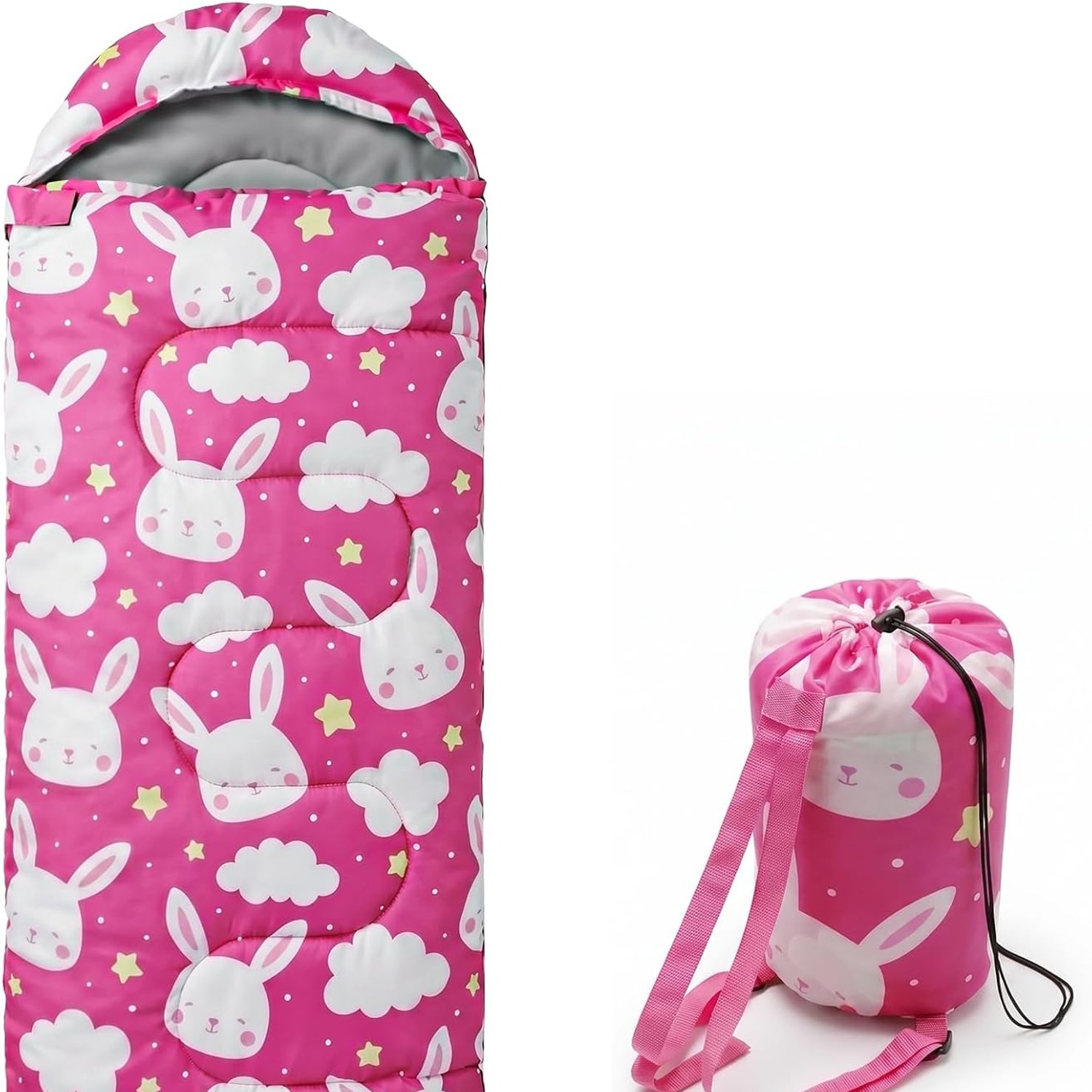
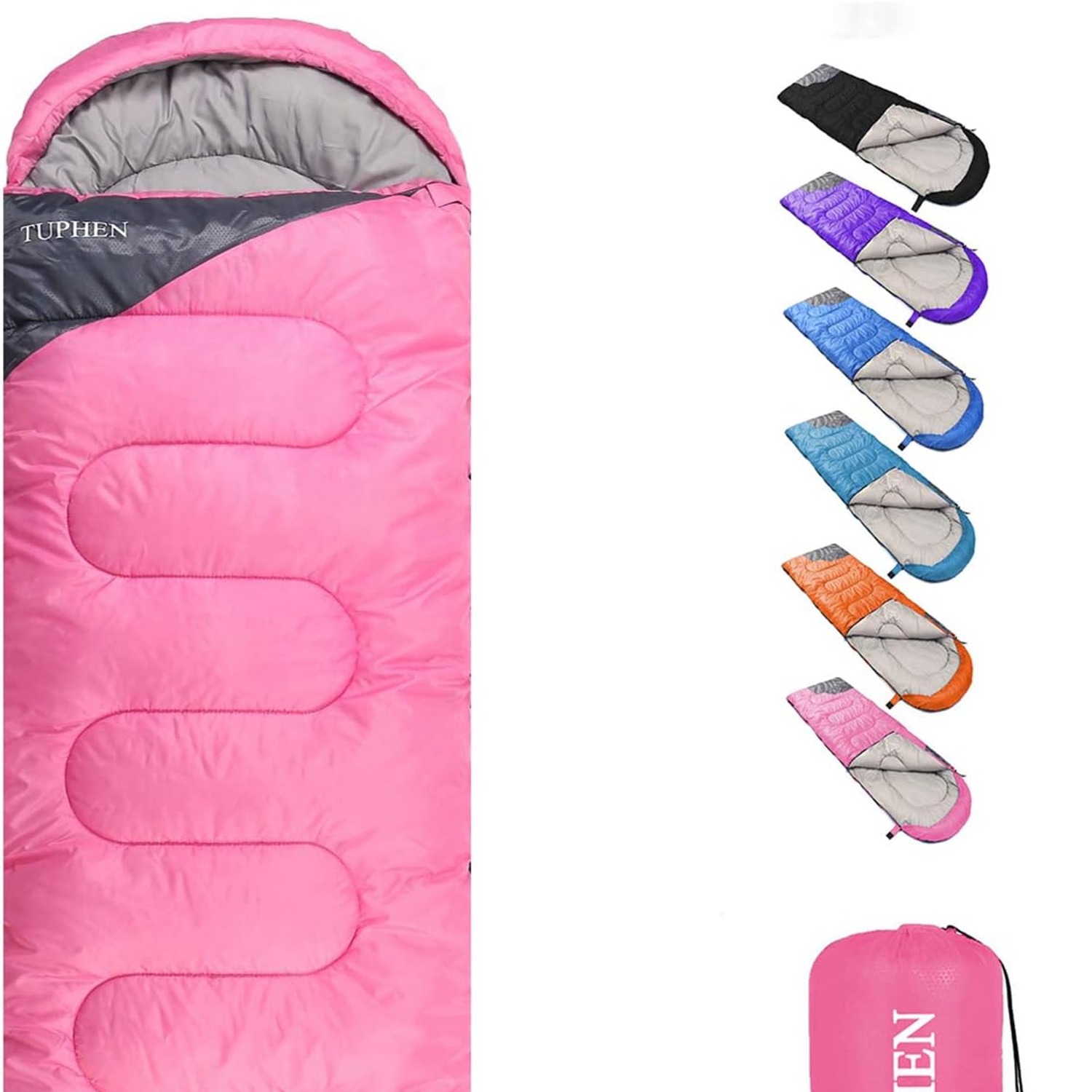
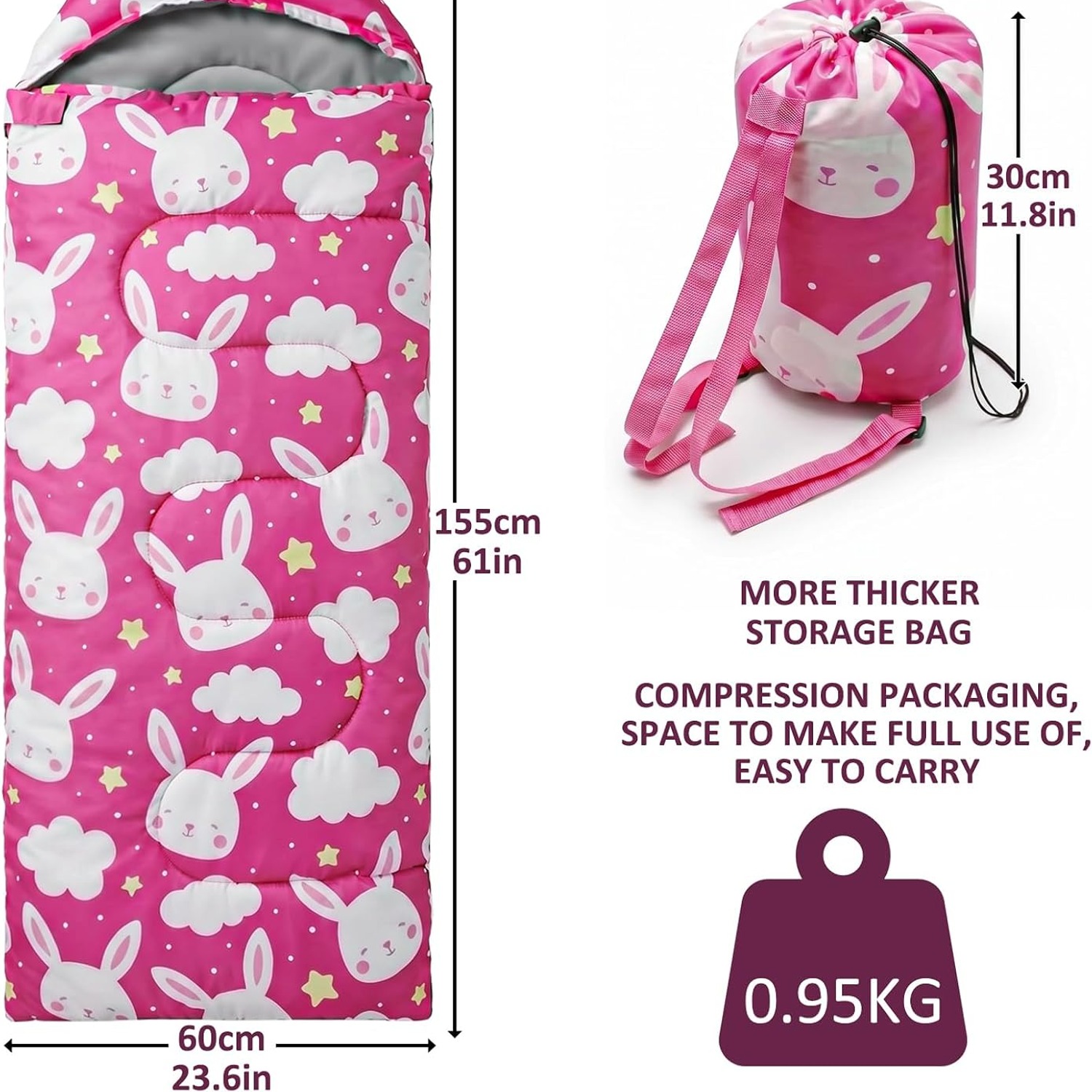
This bag is 155 cm long and 60 cm wide. That is a space a child fills. The maximum recommended user height is 155 cm, which covers a wide span of ages and gives most families several seasons of use before an upgrade.
How a synthetic bag works
The fill in this bag is polyester, and so are the shell and lining. Synthetic fill is made of fine fibres that hold pockets of still air, and still air is what insulates. It is not as light as down for the same warmth, but it has two advantages that matter enormously for children.
First, it handles moisture. Dew on a tent wall, a damp groundsheet, a spilled water bottle, a child who got into the bag with slightly wet hair. Down collapses when it gets wet and stops insulating. Polyester fill keeps most of its performance and dries faster. Second, it washes. You can put this in a machine on a gentle cold cycle without a special detergent or a complicated drying routine, and that will happen more often than you would like.
The shell being polyester helps too. It wipes down, it sheds light surface moisture, and it does not soak up a damp morning the way cotton does.
What three seasons really means
Three seasons means spring, summer and autumn at normal altitudes. That is the honest boundary of this bag. It is not a winter bag and should not be treated as one.
In practice, three seasons covers the overwhelming majority of what children actually do. Family camping in the warmer months, scout camps, school trips, backyard tents, beach holidays, sleepovers. If you camp in genuinely freezing conditions, that is a different purchase and a different budget.
The rating in this record is given as comfort, without a specific degree figure attached. Rather than chase an exact number, pay attention to the things that genuinely shift how warm a night feels. Sleeping mat quality, what the child wears inside the bag, whether the hood is used, and whether the bag is dry. Those four factors will swing the result more than a few degrees of rating difference.
The design details that matter
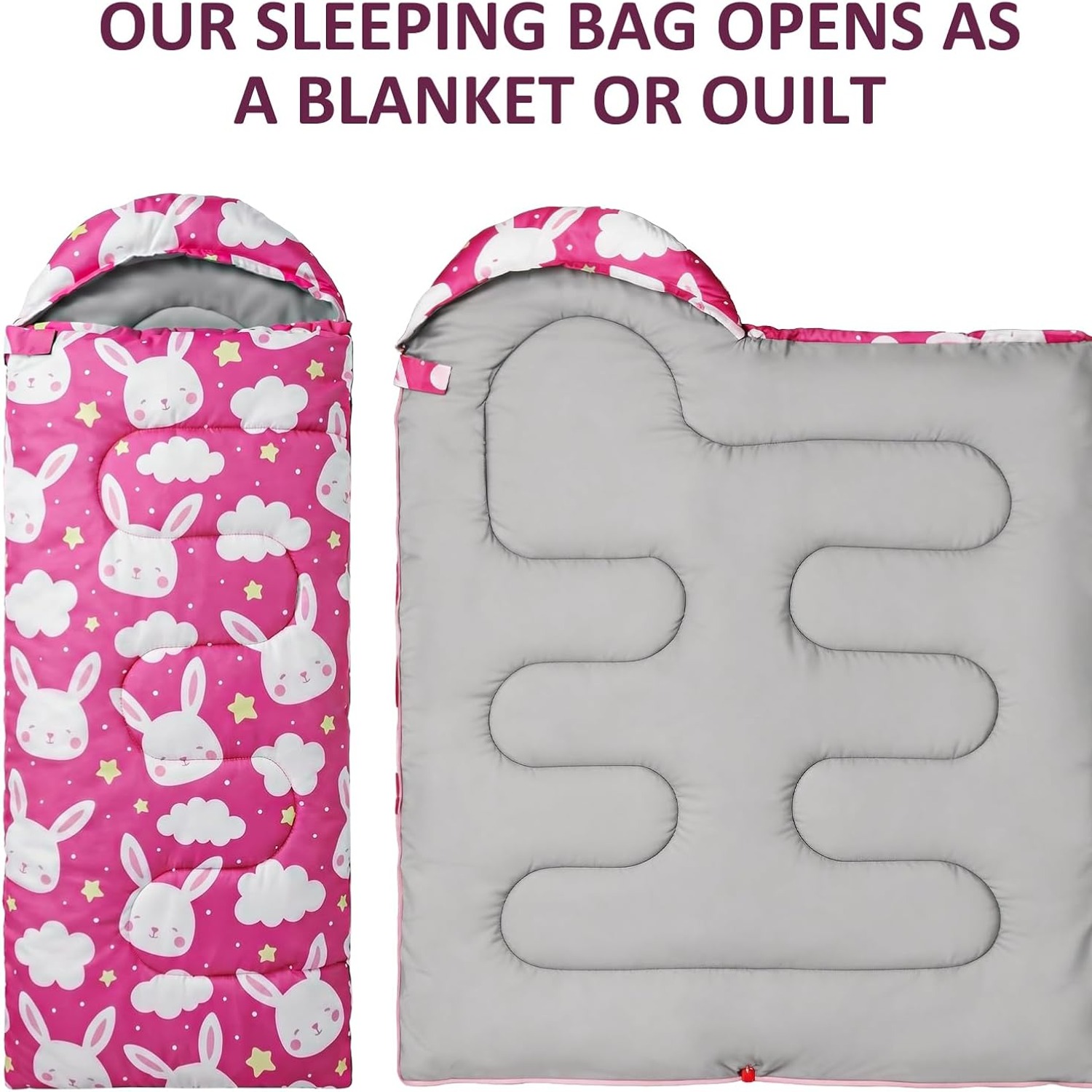
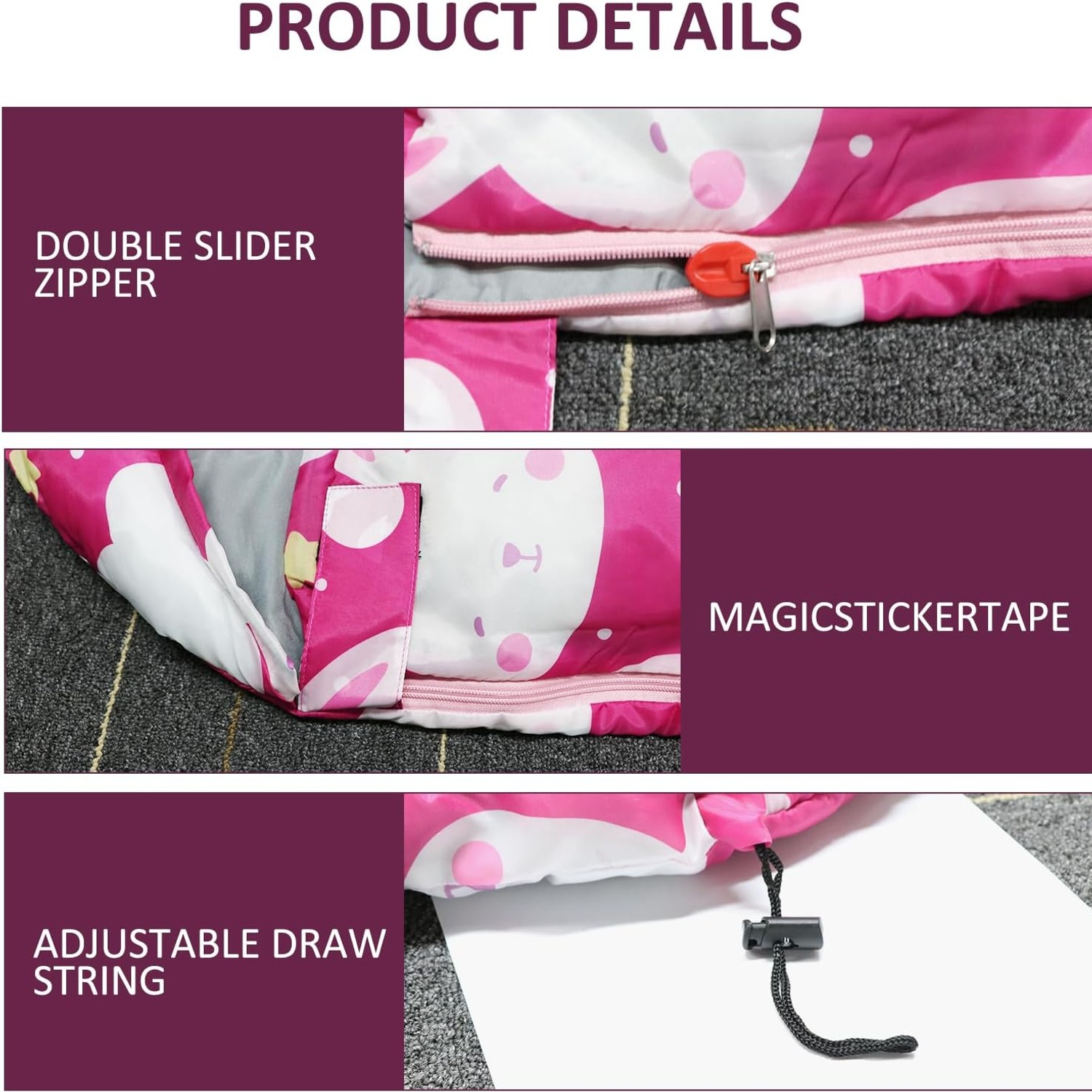
A full-length zipper sounds like a basic feature, but a lot of cheap children's bags only zip part way, which makes getting in and out awkward and makes the bag impossible to open out flat. This one runs the full length and works from both sides, so a child can operate it from inside without calling for help.
The separate zip at the foot end is more useful than it looks. Children run hot at the feet, and the usual response is to unzip the whole bag and then get cold everywhere else. Opening just the foot zip vents the one place that needs it. On a mild night it turns a slightly too-warm bag into a comfortable one.
The hood is a half-round shape with a drawstring. Heat escapes from the head faster than almost anywhere else, so on a cold night pulling the drawstring in makes a noticeable difference. Indoors, the hood just lies flat and is ignored, which is exactly what you want from a sleepover sleeping bag.
Then there is the carry sack. It has straps so it compresses down, and the whole bundle is 0.95 kg. That is light enough that a child can realistically carry their own bag on a short walk to a campsite, which is a surprisingly good motivator for a reluctant walker.
Who this suits
Families who camp in warmer months and want something that fits a child properly. Parents kitting out a scout or guide for their first camp. Grandparents who want a bag that lives at their house for visits. Anyone who has worked out that a child with their own gear is a child who is more interested in the trip.
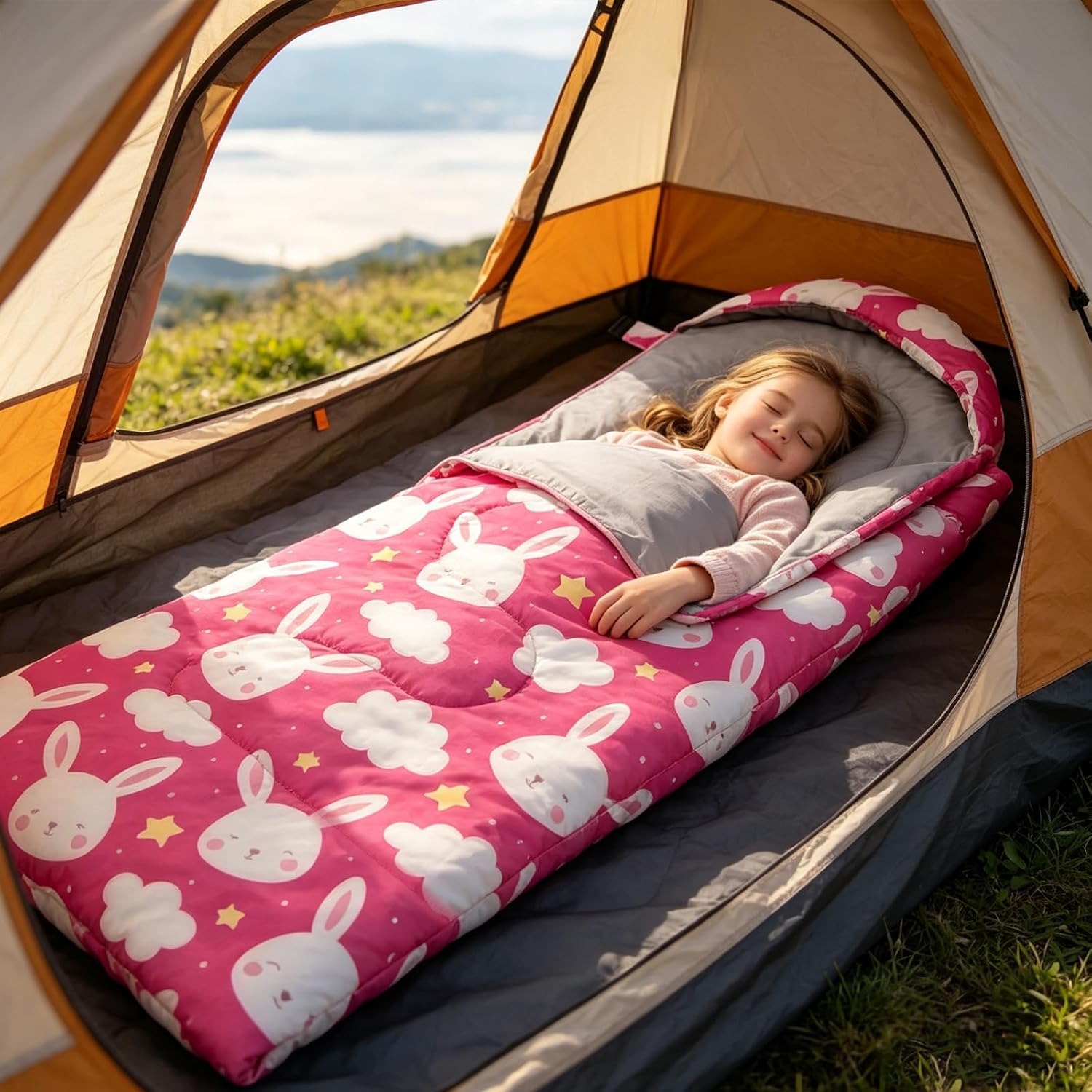
It also suits the indoor use that nobody plans for but everybody does. A sleepover sleeping bag gets more nights of use than a camping one in most households. Rolled out on a lounge room floor, it beats a heap of spare blankets and it goes back in its sack in the morning.
Where it is not the right pick is cold-weather camping, adults, or anyone over 155 cm tall. Buying a three-season bag and hoping for winter performance is the single most common mistake in this category.
Setting up for a warm night
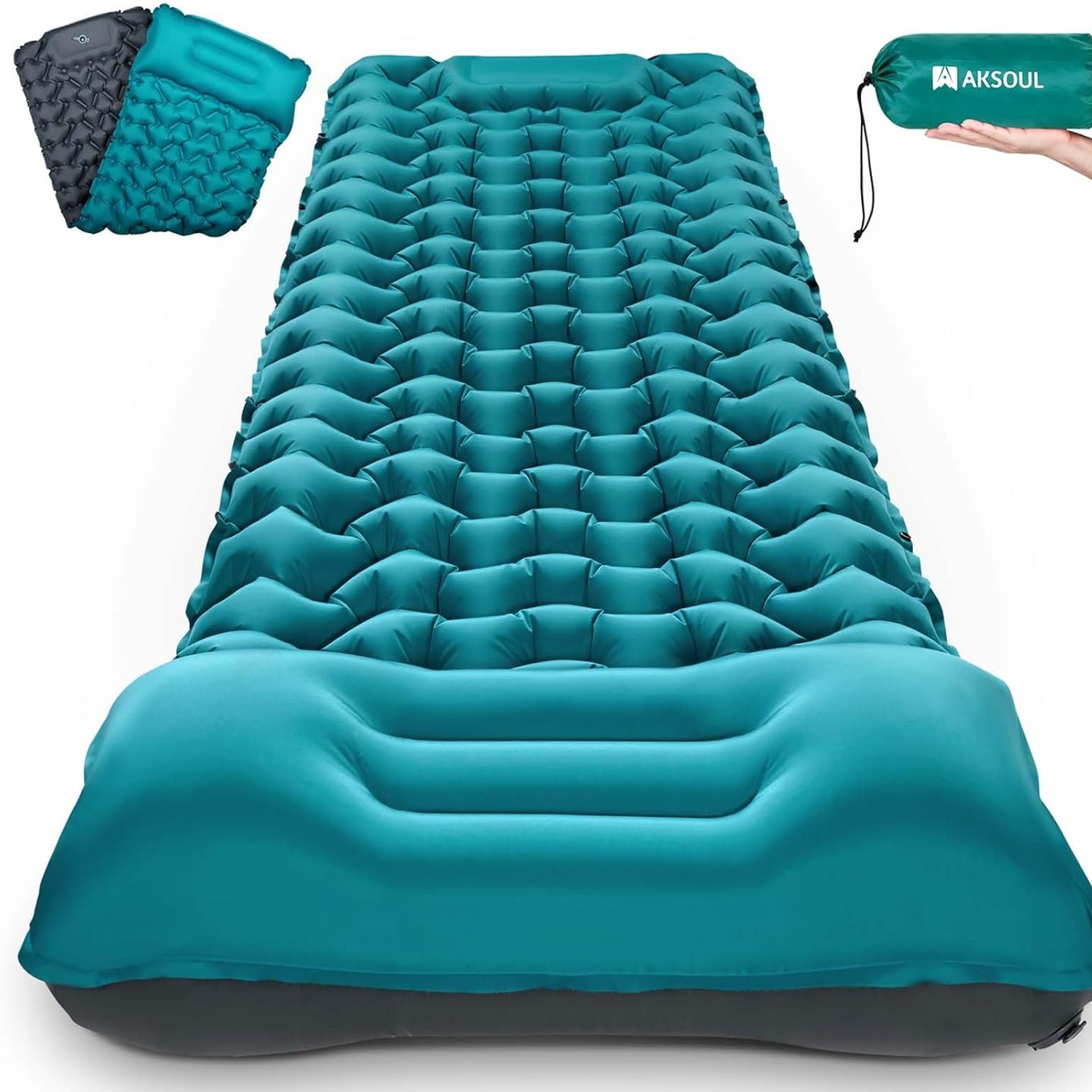
A few things make more difference than the bag itself. Put something insulating under the child. Ground pulls heat out fast, and the fill squashed under a sleeping body does almost nothing. Even a cheap foam mat changes the night completely.
Put the child to bed in dry clothes, not the ones they wore all day. Damp fabric against skin will cool them down no matter how good the bag is. Socks help, and so does a beanie if the night is properly cold.
Do not over-pack the bag with extras. A water bottle, a torch and a soft toy are fine. Stuffing the bag with clothing fills the air space that is meant to be doing the insulating.
Finally, get them in the bag before they are cold. A warm child in a sleeping bag stays warm. A cold child in a sleeping bag takes a long time to recover, because the bag has nothing to work with.
Looking after it
Wash it on its own, on a gentle cold cycle, with mild detergent. Zip it fully closed first so the teeth do not catch on anything. Spot marks usually come off with a damp cloth, and that is the better option for small accidents.
Drying is the step people rush. Give it longer than feels necessary, with air getting to both sides. A bag packed away with any damp in the fill will smell, and the smell is the easy part. The real cost is the fill clumping and losing loft.
Between trips, store it loose. The compression sack is for transport, not for the cupboard. A pillowcase, a large cotton bag or just a shelf works fine. Keeping the fill lofted is the main thing that decides how many seasons you get out of it.
Treat the zipper gently. Most sleeping bag failures are zipper failures, and most zipper failures come from yanking it over caught fabric in the dark. Teach the child to free the fabric and then pull.
The short version
This is a 155 by 60 cm, three-season, polyester kids sleeping bag that weighs 0.95 kg and comes with its own compression carry sack. It has a full-length double-sided zipper, a separate foot vent and a drawstring hood. It fits children up to about 155 cm tall.
It is built for warmer-month camping, scout trips, hikes and sleepovers, not for winter. Pair it with a sleeping mat, send your child to bed in dry clothes, dry it properly after every trip, and it will handle several years of use before they outgrow it.