
The complete guide
How to Choose a Self Inflating Sleeping Mat That Actually Lets You Sleep
The real problem with sleeping outdoors
Almost nobody gives up camping because of the weather. They give up because of the ground.
You can have the best tent in the world, a warm sleeping bag and a perfect campsite, and still wake up at 3am with a numb hip and a stone under your ribs. The ground is hard, uneven, and it quietly pulls heat out of your body all night. A thin closed-cell foam roll takes the edge off. It does not fix the problem.
The other common answer, a big air mattress, swaps one problem for another. It needs a pump, it takes up half the boot, and because it is just a bag of air, it goes cold and bouncy. Roll over and your partner gets launched.
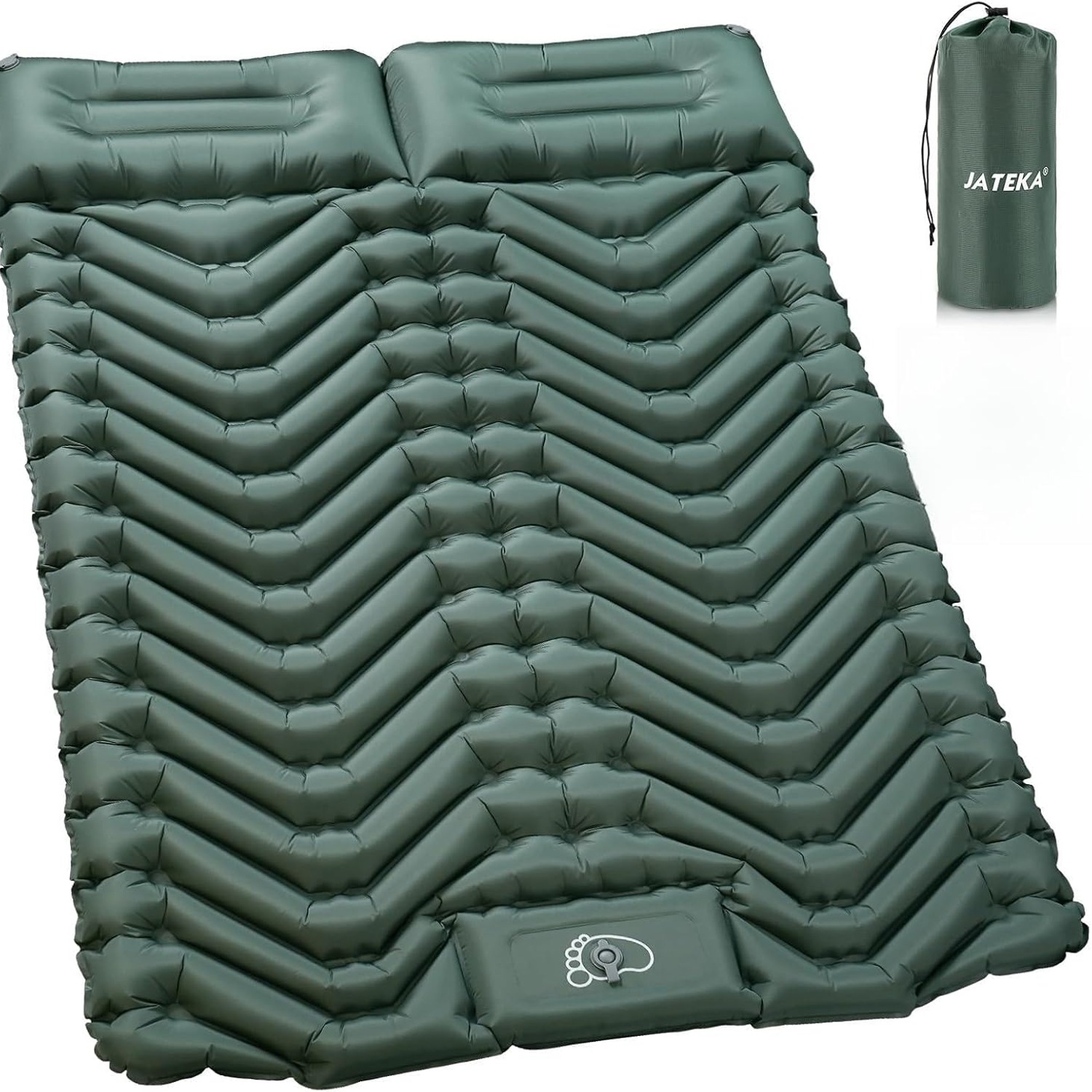
A self inflating sleeping mat sits in the useful middle. Foam inside a sealed shell gives you cushioning that holds its shape, and air gives you the height to clear bumps in the ground. You get a flat, stable surface that is quick to set up and quick to put away.
How a self-inflating mat works
The idea is simple once you see it. Inside the nylon and TPU shell there is a layer of open-cell comfort foam. When the mat is rolled up tight with the valve closed, that foam is squashed flat and there is no air in there.
Open the valve and lay the mat out. The foam wants to return to its full thickness, so it expands and drags air in through the valve on its own. That is the self-inflating part, and it does most of the work for you while you are putting up the tent or getting dinner going.
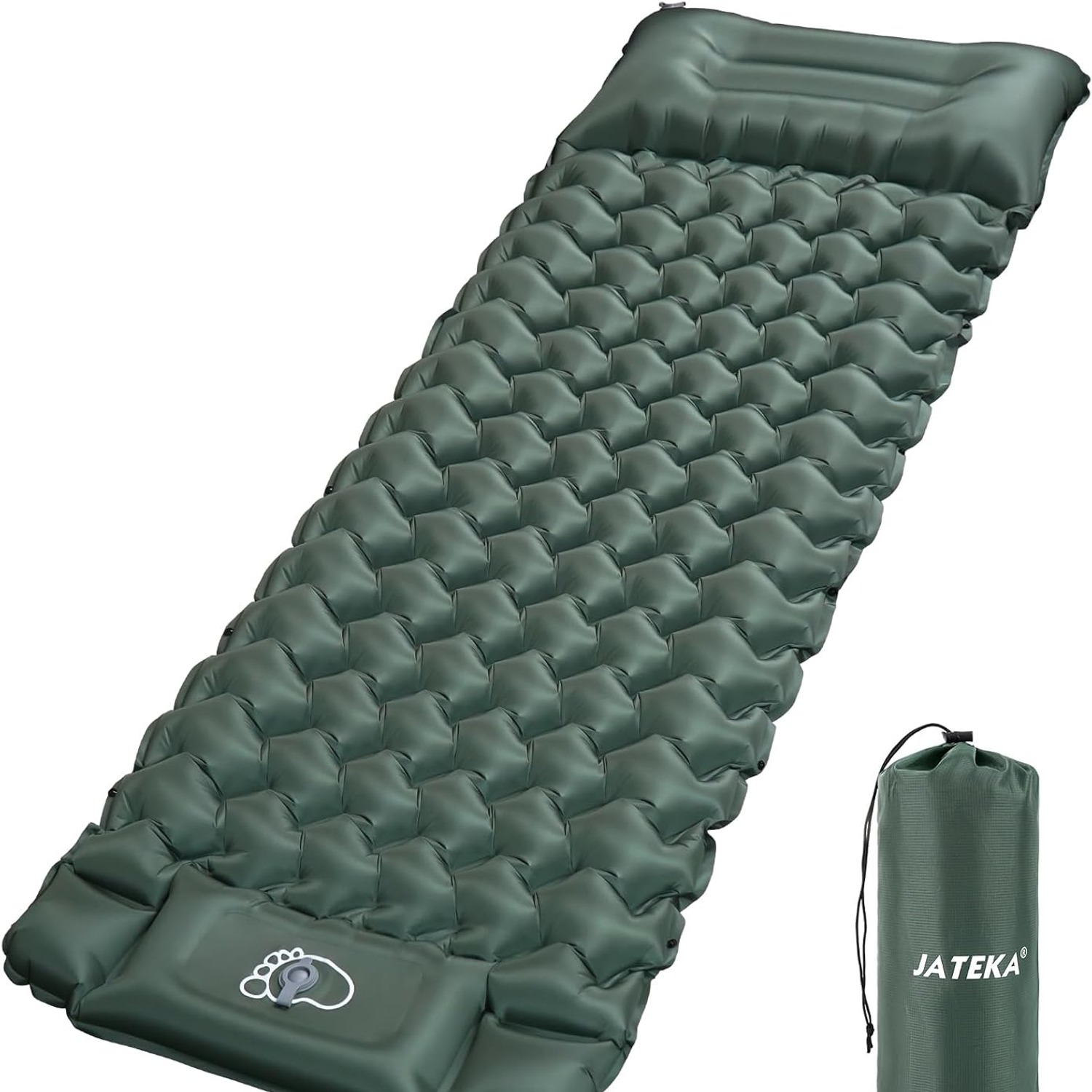
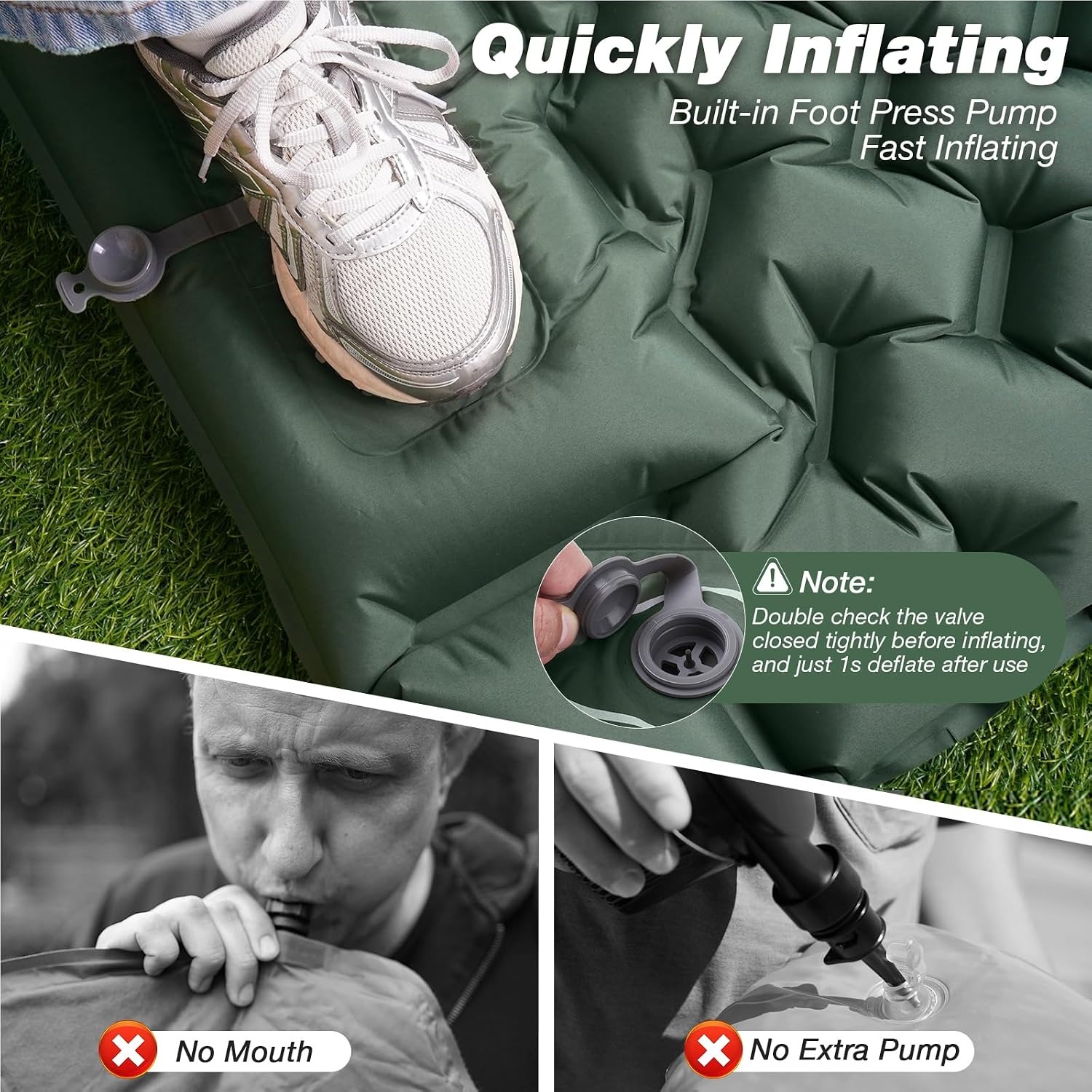
What it will not do by itself is get the mat properly firm. That last bit of pressure is what stops you bottoming out on the ground. This model handles it with a built-in foot pump. You stand on it, pedal for a bit, and the mat firms up without you getting dizzy from blowing into a valve. The manufacturer describes the design as self-inflating with a built-in foot pump for quick setup and easy deflation.
Going the other way is faster still. The valves on this mat are double-layered, which does two jobs. While you sleep, they stop air sneaking back out so the mat does not slowly sag. When you open them fully in the morning, they vent fast, with deflation described as taking about a second. Press the air out as you roll and the mat is in the bag before the billy has boiled.
The materials, and why they matter
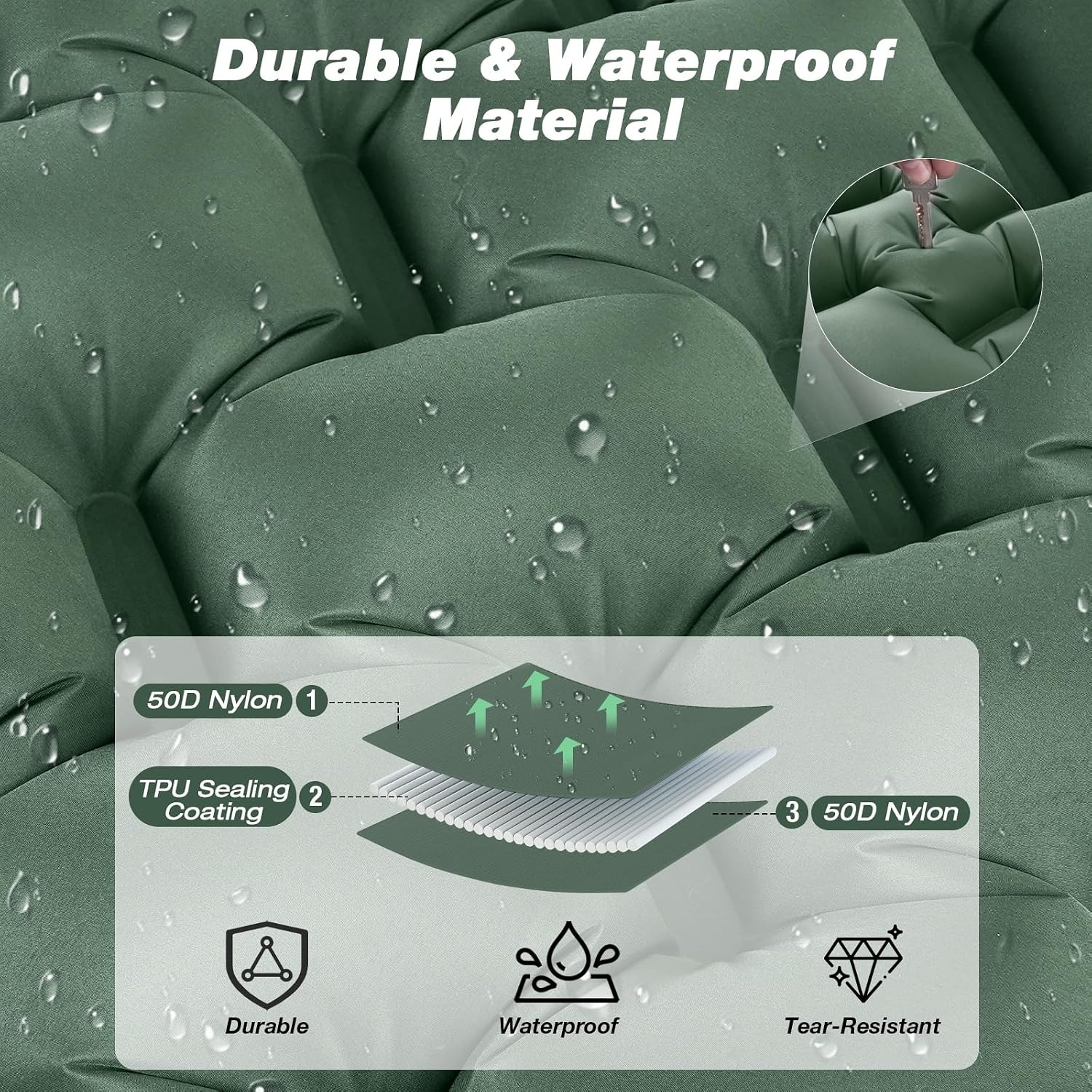
The shell here is Nylon 50D with a TPU coating, used for both the cover and the body of the mat.
Nylon 50D is a light, fine-weave outdoor fabric. The number refers to the thread weight, and 50D sits in the range used for backpack panels and tent flys. It is a reasonable trade between being light enough to carry and tough enough to be dragged across a tent floor every night for a week.
TPU is the airtight part. It is a flexible polyurethane layer bonded to the inside of the fabric, and it is what makes the mat hold air and gives it the waterproof rating listed in the specs. Waterproof here means the shell itself, so dew on the tent floor or a damp ground sheet will not soak into the mat.
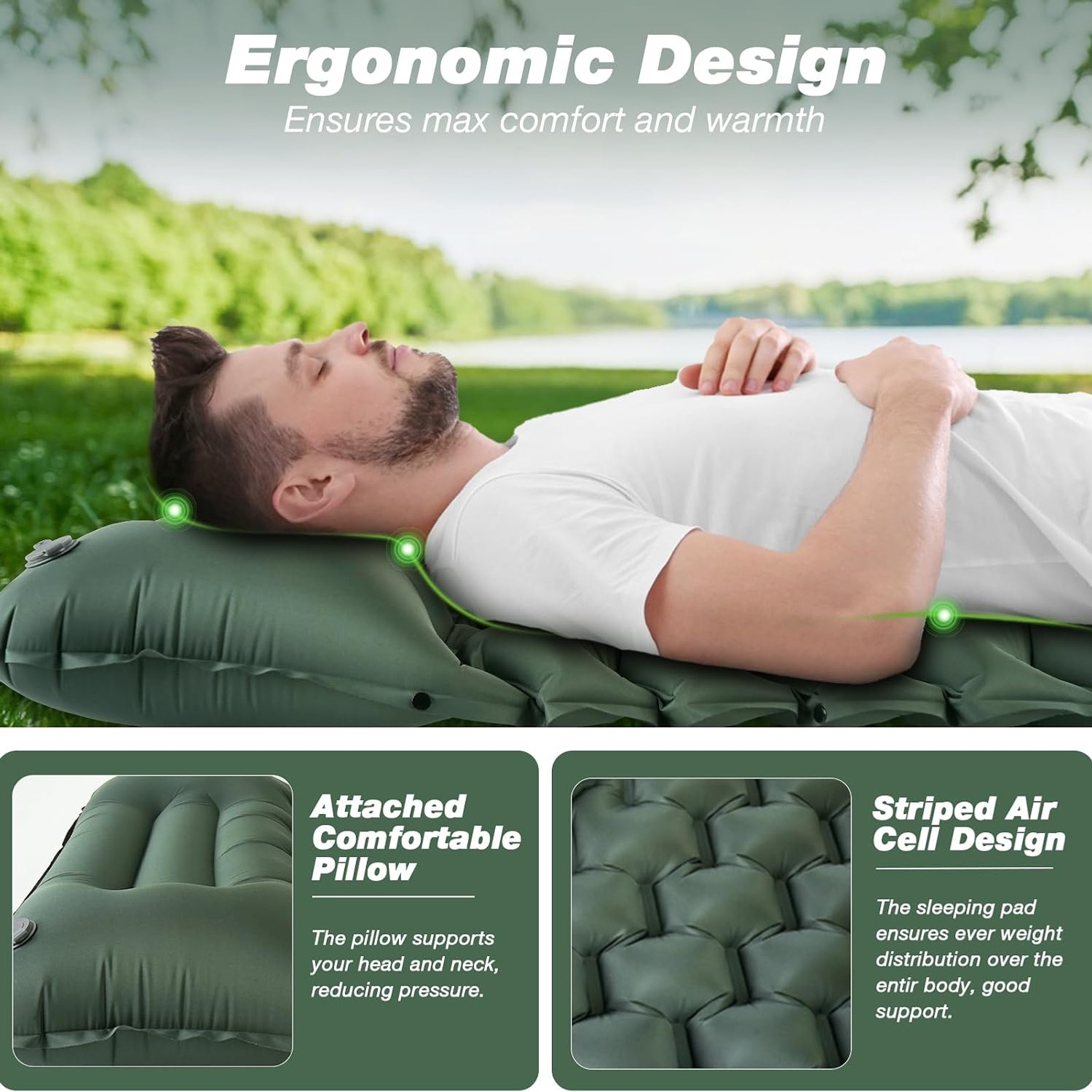
Inside is a single layer of comfort foam. That foam is the reason the firmness is described as plush rather than hard. It also gives you something a plain air bed cannot, which is a bit of separation from cold ground. The mat does not carry an R-value in this product record, so for genuinely cold trips, let your sleeping bag do the heavy lifting on warmth.
Who this mat suits
Tent campers are the obvious group. If you camp a few weekends a year and keep waking up sore, a decent sleeping pad changes the whole trip more than a new tent would.
It also works well for a few other people. Festival goers who want something that packs small and sets up in a minute. Travellers sleeping on floors at friends' places. Families who need a spare bed for visiting kids and have no cupboard space for an air mattress. Anyone who keeps a kit in the car for unplanned nights away.
The target audience is listed as adult and the size is a wide single, so it is built for one grown person. Older kids fit on it easily.
Where you should think harder is ultralight hiking. The mat is listed as compact, but the packed weight is not specified in this record. If you count every gram for multi-day walks, check the listed packed dimensions against your pack space and decide from there. For car camping, van trips, short walk-ins and festivals, it is a straightforward yes.
Choosing the right setup
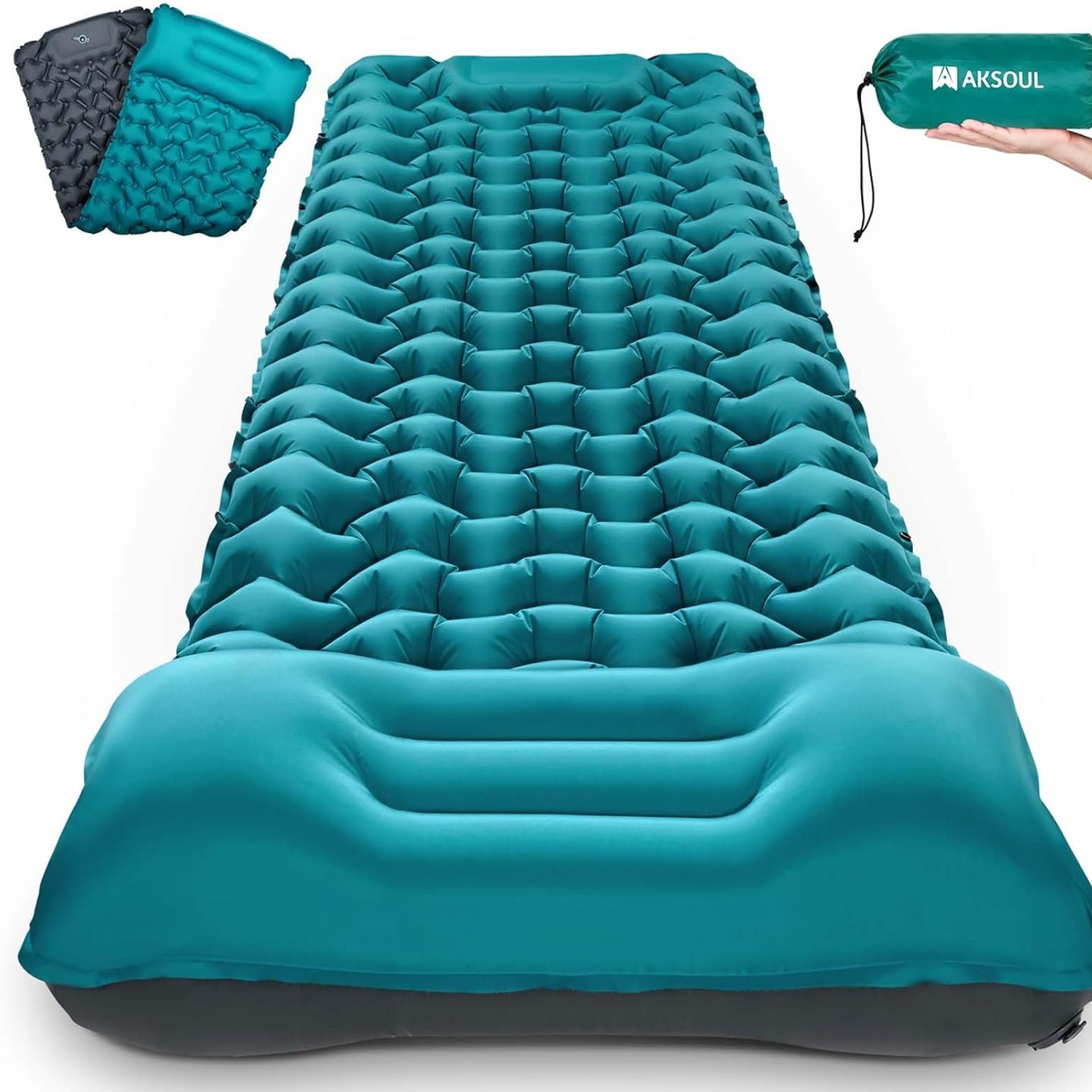
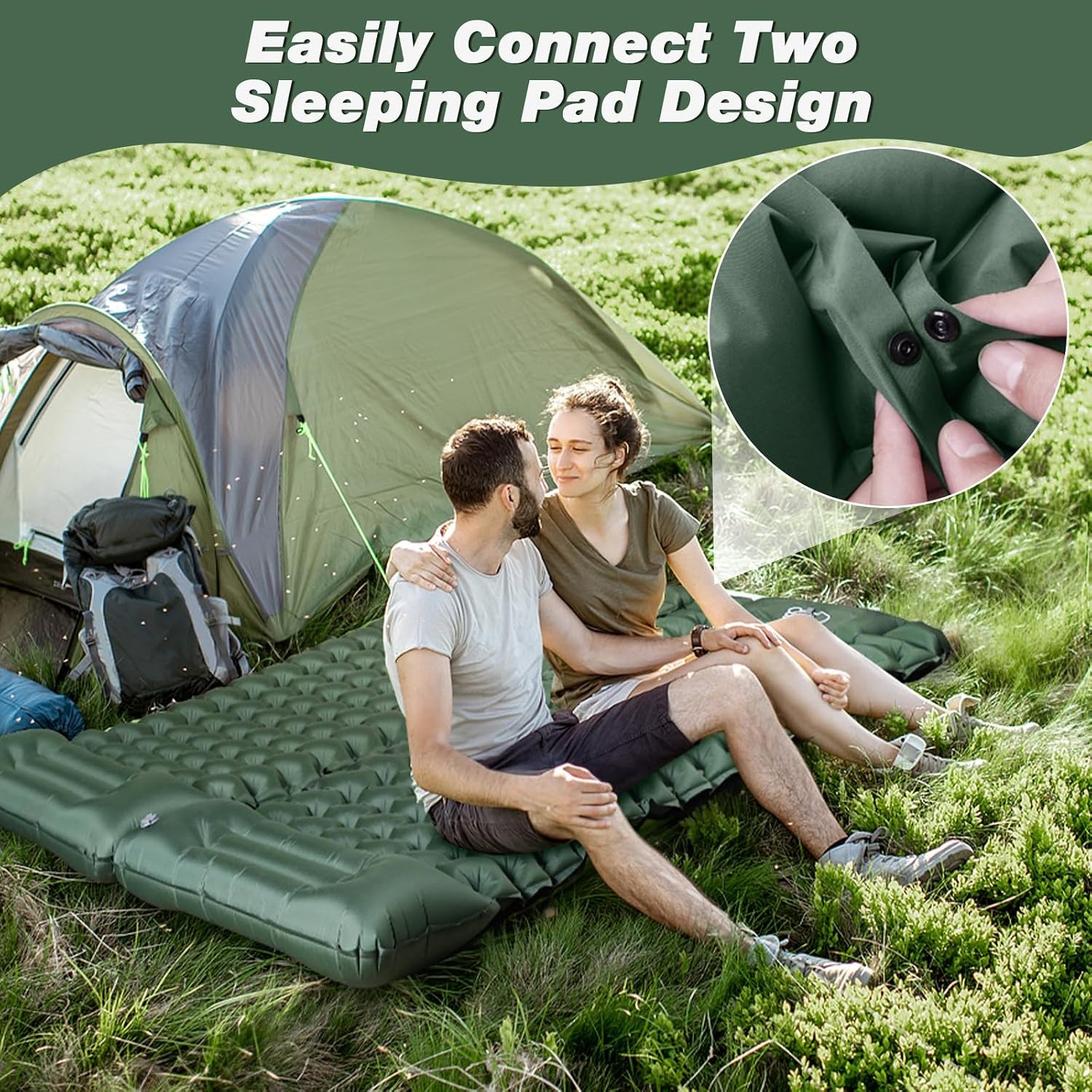
Start with how many people are sleeping. One mat covers one adult. If you camp as a pair, this mat has connecting buttons along the sides so two of them clip together into a double. That is worth doing even if you both sleep fine alone, because joined mats stop the slow midnight drift into the cold gap between two separate pads.
Then look at your tent floor. A wide single needs a certain amount of room, and two joined mats need noticeably more. Measure before you order rather than after. People regularly buy the right mat and the wrong tent.
Think about firmness next. A self-inflating mat is adjustable, which is one of its best features. Side sleepers usually want a medium fill so their hip and shoulder can sink in a little. Back sleepers often prefer it firmer. Give it a go at home before your first trip so you know what feels right.
Last, think about what else you are carrying. The pillow on this mat is built into the one-piece design rather than being a loose extra, so that is one item off the packing list. If you have been rolling a jumper under your head for years, you will notice the difference on the first night.
Looking after it
Care for this kind of mat is mostly about two habits.
The first is cleaning. Wipe it with a damp cloth and a little mild soap, then let it dry completely before it goes in the bag. Do not machine wash it and do not put it in a dryer. If it is muddy, let the mud dry and brush it off instead of scrubbing wet dirt into the fabric.
The second is storage. Do not leave it crushed tight in its bag for months on end. Foam that stays compressed loses some of its spring, which means the mat is slower to self-inflate the next season. Store it loosely rolled, or flat under a bed, with the valve left open.
Beyond that, use a little common sense. Sweep the tent floor before you lay the mat down, since a sharp stick or a stone edge is the usual cause of a puncture. Keep it clear of campfire sparks. Small holes in a TPU mat are repairable with a patch kit, so it is worth keeping one with your gear.
The short version
A self inflating sleeping mat is the quiet upgrade that makes camping comfortable. The foam core and air together clear the lumps in the ground and give you a flat surface that stays put.
This one is a nylon 50D and TPU mat with a comfort foam layer, a plush feel, a waterproof shell and a built-in pillow. The foot pump means you are not blowing into a valve, and the double-layer valves hold air overnight then dump it in about a second when you pack up. Side buttons let two mats clip into a double.
If you camp alone or need a spare bed, one is plenty. If you camp with a partner, buy two and join them. Either way, the first morning you wake up without a sore hip, you will wonder why you waited.