
The complete guide
Choosing a Dome Tent, A Practical Buyer's Guide
The problem with most first tents
A lot of people buy a tent once, use it twice, and never take it out again. The reason is rarely the camping. It is the tent. Something leaks, something snaps, or the setup takes forty minutes in fading light while everyone stands around getting cold and quiet.
A dome tent fixes most of that by being simple. Two sets of poles cross at the top, the fabric hangs off them, and the whole thing stands up on its own. There is nothing clever about the design and that is exactly the point. Fewer parts means fewer things to get wrong at the end of a long drive.
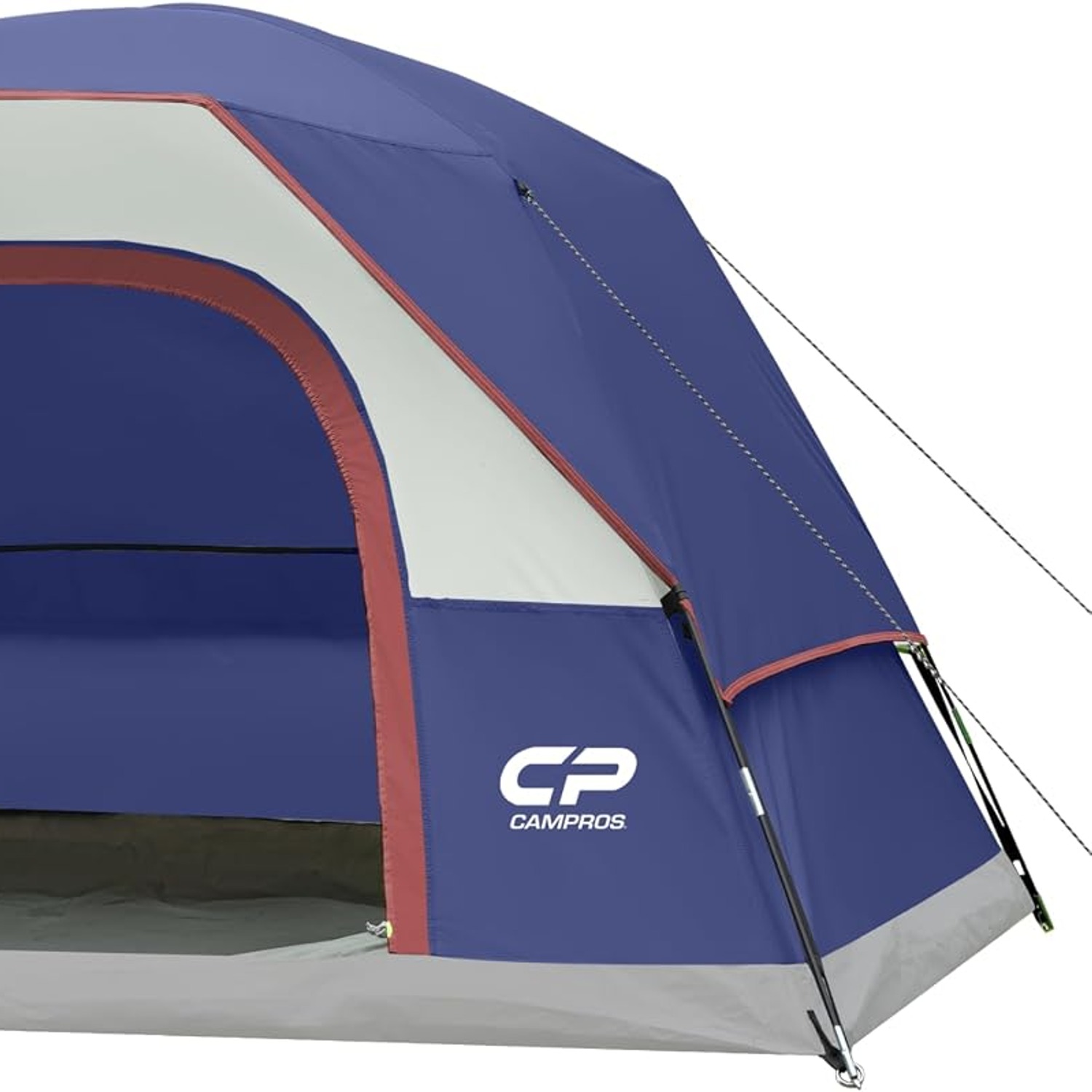
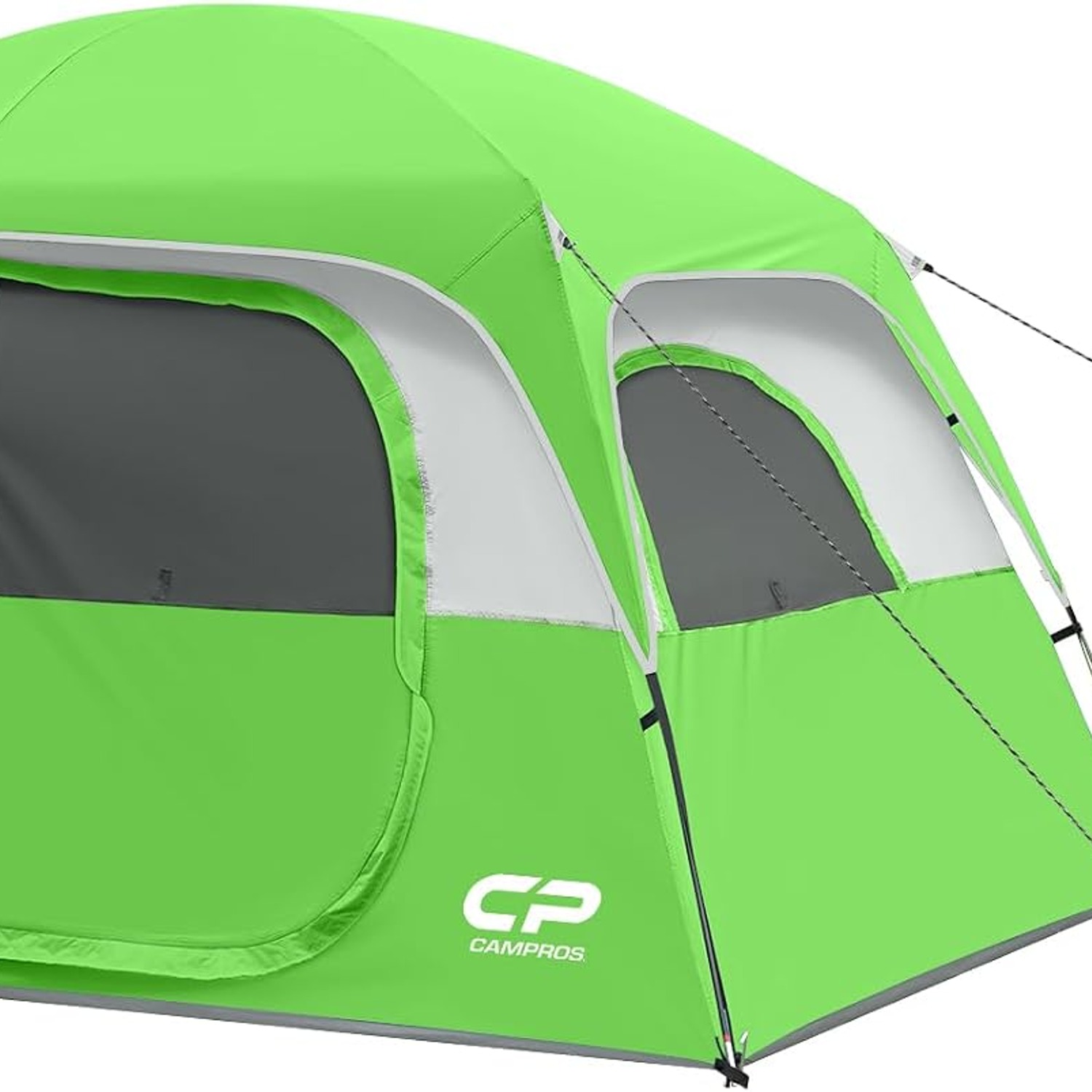
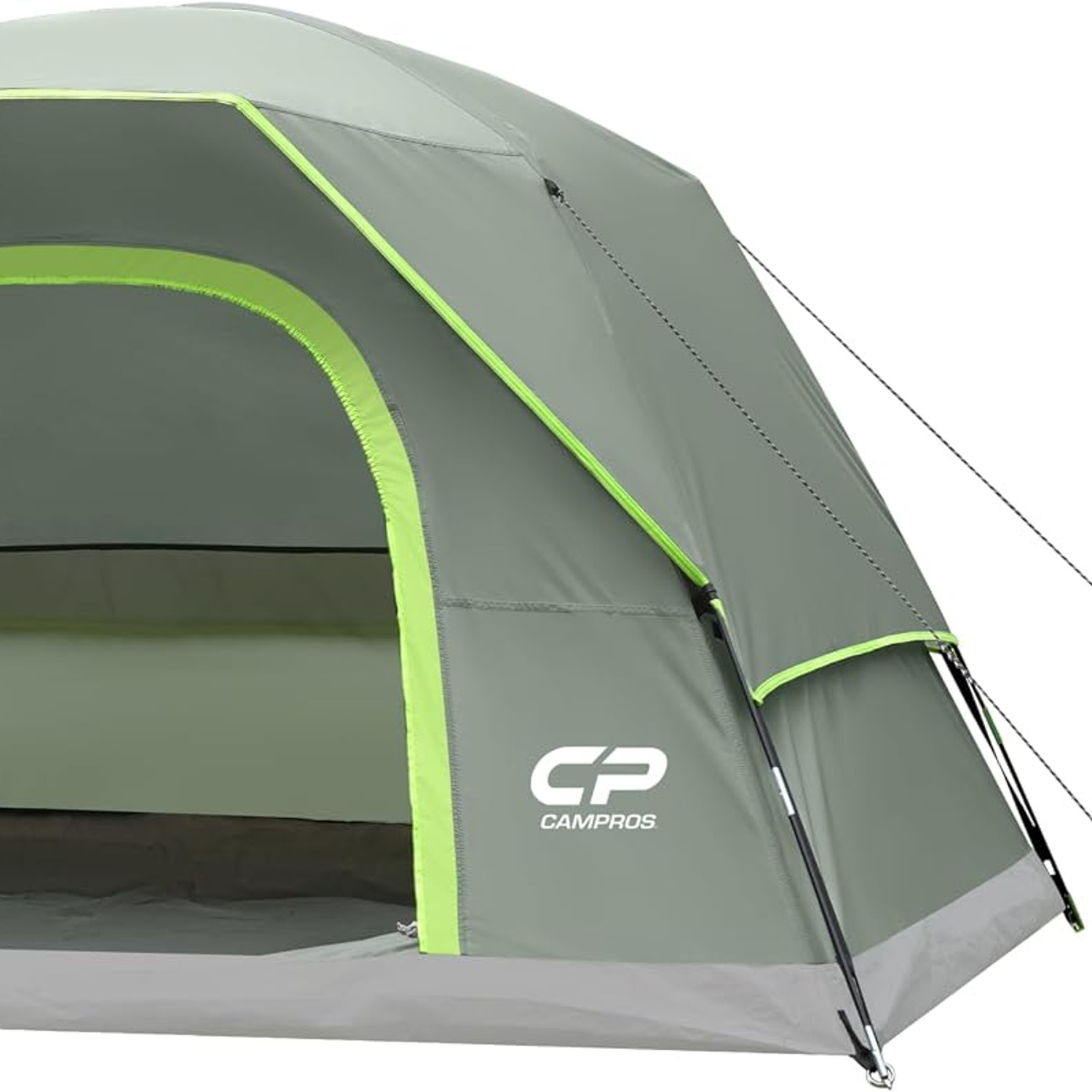
This guide walks through what matters when you choose one, using this CAMPROS CP dome tent as the working example.
How a free-standing dome actually works
Free standing means the tent holds its shape without pegs. You thread or clip the poles, lift the frame, and it stands there. That sounds like a small thing until you are pitching on a timber platform, a gravel pad or ground so hard the pegs bounce back out.
On this tent the poles are aluminium and attach with clips rather than sliding through long fabric sleeves. Clips are faster and they are much easier to deal with when your hands are cold. There are four poles, and the stated setup time is five minutes with two people. That is honest for a dome of this size once you have done it once.
Pegging still matters. A free-standing tent will tumble across a field in a gust if nothing holds it down, and the rainfly needs tension to work properly. Peg the corners, then tension the fly so there is an air gap between the fly and the inner wall. That gap is where condensation collects instead of on your sleeping bag.
Reading the waterproof numbers
Tent waterproofing is given as a hydrostatic head figure in millimetres. It describes how tall a column of water the fabric can hold back before water starts to come through. This tent is rated at PU 1500mm.
Here is the plain version. Around 1000mm is the usual line for being called waterproof. 1500mm handles normal rain comfortably. Very high figures, 3000mm and up, start to matter when you are camping somewhere that rains hard for days or when you are pitching on ground that pools water.
Three things do the work together on this tent. The polyester body has the PU coating, the rainfly sits over the top as a second layer, and the floor is polyethylene, which is a heavier and more puncture-resistant material than the walls. The floor is the part that usually fails first on cheap tents, so a dedicated floor material is worth noticing.
Space, and why occupancy ratings mislead
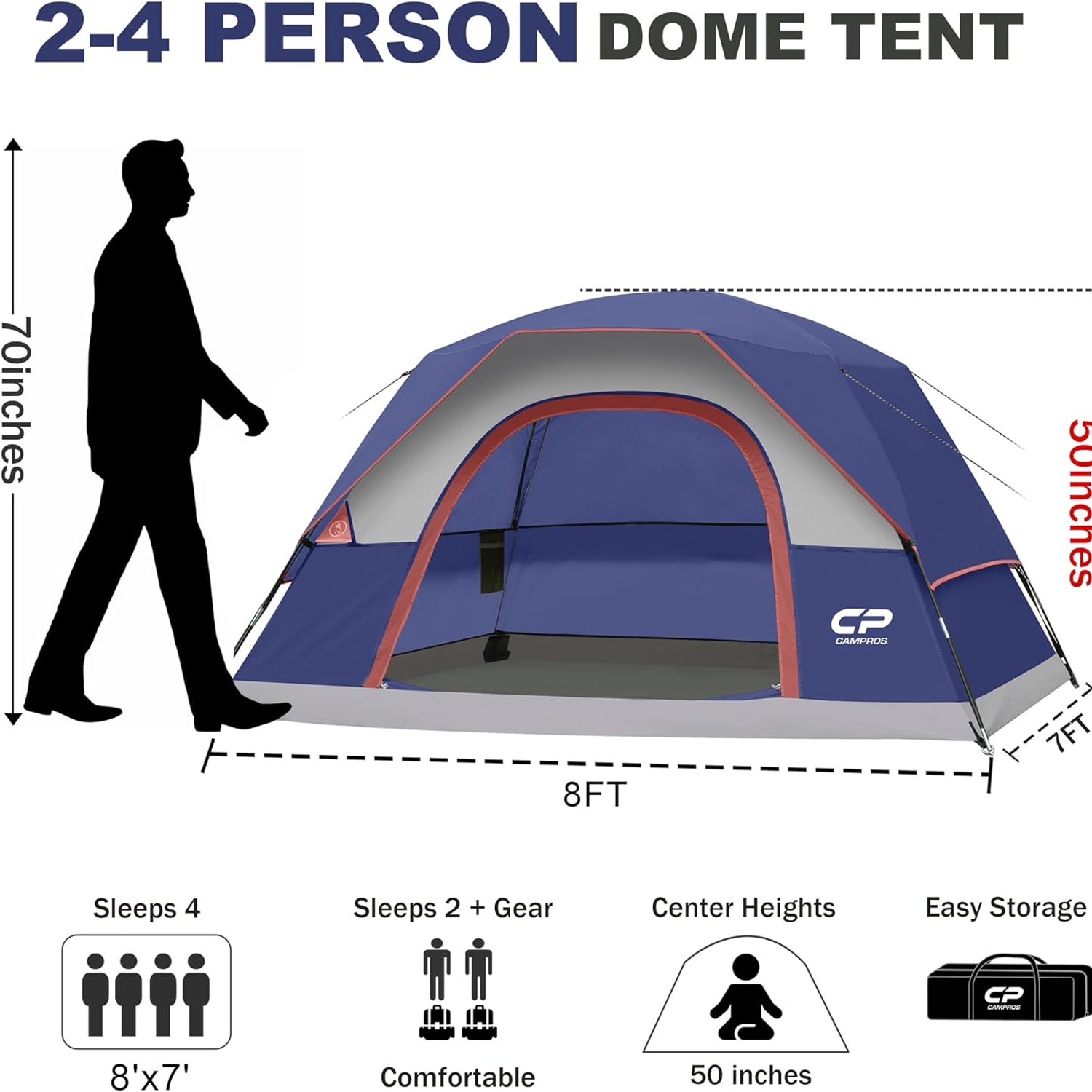
The tent is rated for four people. The floor is roughly 8 feet by 7 feet, which is 56 square feet, and the centre height is 50 inches.
Tent occupancy ratings are measured by how many standard sleeping mats fit side by side with no gaps. No one actually camps like that. You have packs, boots, a stove, a bag of food and probably a dog. The usual rule is to subtract one from the rating for comfort. So this is a genuinely roomy tent for two, a comfortable tent for three, and a tight but workable tent for four on a short trip.
The 50 inch height is worth picturing. That is tall enough to sit up straight, kneel, change clothes and play cards. It is not tall enough to stand. Dome tents trade height for stability and pack size, which is a fair trade for most camping, less so if you plan to spend rainy afternoons inside.
Weight and how you will carry it
Packed, this tent is 3.5 kg including poles, stakes and the carry bag.
If you are driving to a campsite, weight barely matters and you should be thinking about floor space instead. If you are walking in, 3.5 kg is on the sensible side. Split between two people it is a light share. For serious multi-day hiking where every hundred grams counts, specialist hiking tents go lighter, but they cost considerably more and give you less room.
Think about where it will live too. A compact pack size matters when the tent spends eleven months of the year in a cupboard or the back of a car.
Ventilation and the condensation problem
Here is the thing most new campers get wrong. You wake up, the inside of the tent is damp, and you assume it leaked. It did not. You breathed, and that moisture had nowhere to go.
Every person gives off a surprising amount of water vapour overnight. If the tent is sealed tight, that vapour hits the cool inner wall and turns back into liquid. The fix is airflow, not more waterproofing.
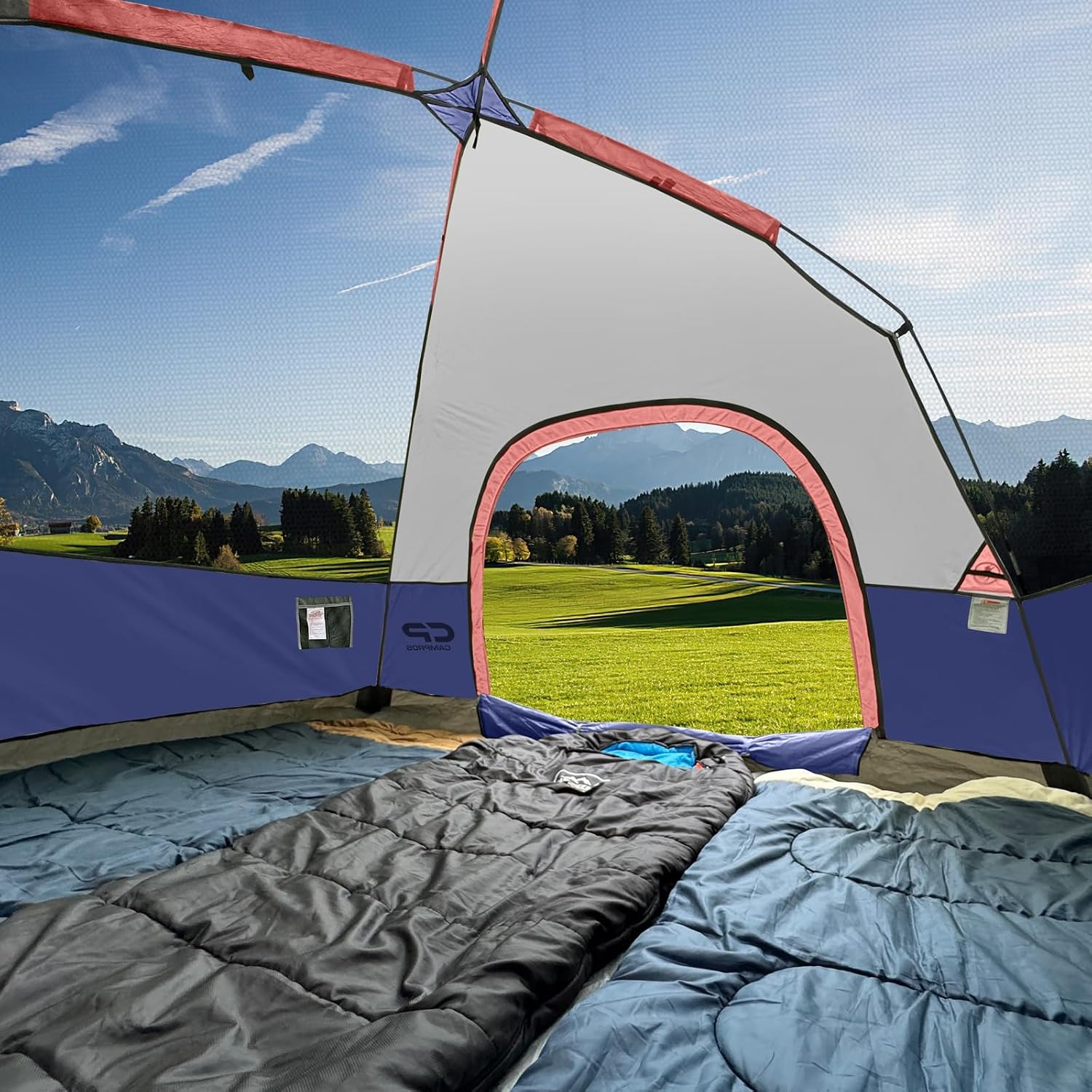
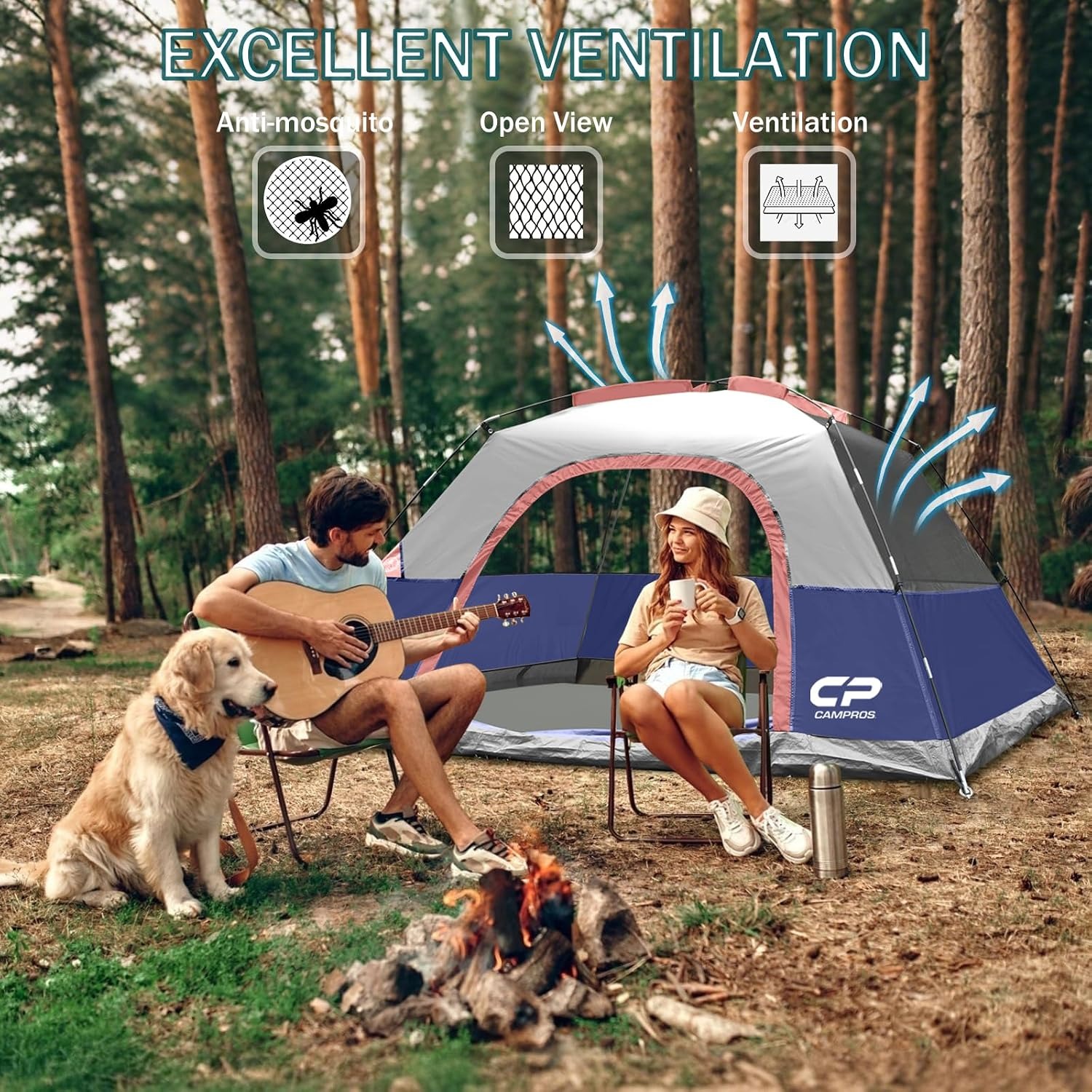
This tent has one mesh window plus mesh on the door. Leave the window open whenever the weather allows, even in light rain, because the rainfly covers it. On warm dry nights you can take the fly off entirely and sleep with the mesh exposed, which is one of the better things about camping and something a lot of people never try.
Who this tent suits
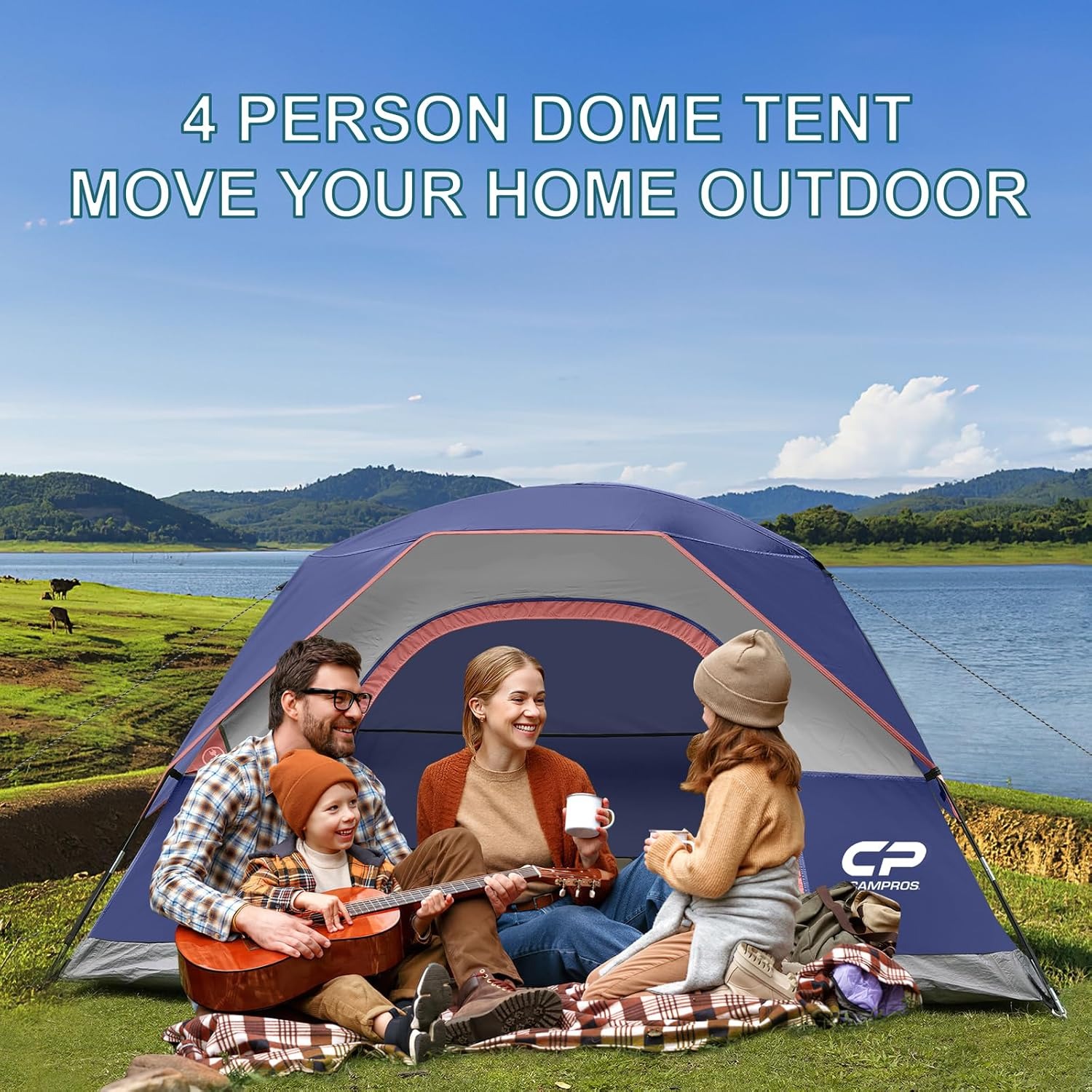
It fits a few clear situations. Weekend campers who want something that goes up fast and does not need a manual. Couples or small families who want room to spread out without a tent the size of a caravan. Festival goers who need a shelter that packs small and pitches in a crowd. Anglers who want somewhere dry to sleep near the water.
It is a three season tent, so spring through autumn. It is not built for snow loading or sustained alpine wind. If your camping involves winter mountains, look at a four season design with more poles and steeper walls.
How to choose between sizes
Count the people, then add one. Two adults should look at a three or four person tent. Three adults are comfortable in a four. A couple who likes space and keeps gear inside will be happy in this one.
Then think about trip length. For one or two nights, a tighter fit is fine. For a week, the extra floor space pays for itself because the tent becomes somewhere you live rather than just sleep.
Last, check the pack size against where you will store and carry it. A tent that does not fit your boot or your pack will quietly stop coming on trips.
Looking after it
The care instruction here is hand wash. Sponge the fabric with cool water and a little mild soap, rinse it, and let it dry in the shade. Avoid machine washing, bleach, tumble drying and ironing, all of which will wreck the coating.
Dry it fully before packing. This is the single most important habit in tent ownership. A tent packed damp will grow mould within a week, and once it smells, it stays smelling. If you have to pack wet on a trip, hang it out at home the same day.
Shake out the sand and grit before folding, especially around the zips. Grit in a zip is how zips die. Store it loosely in its bag, out of sunlight, somewhere dry.
The short version
This is a straightforward dome tent that does the basics properly. Aluminium poles that clip on, a five minute pitch, a PU 1500mm coating with a removable polyester rainfly, a polyethylene floor, mesh ventilation and two pockets for the small stuff. 56 square feet of floor, 50 inches of centre height, 3.5 kg packed.
Rated for four, best for two or three with gear. Built for spring, summer and autumn. If you want a tent you will actually keep using, the ones that get used are the ones that go up fast and stay dry, and this covers both.