
The complete guide
How To Choose A High Back Camping Chair You Will Actually Use
The problem with most camp chairs
There is a chair that lives in nearly every garage. It is nylon, it sags, it has a back that stops somewhere around your kidneys, and after half an hour it leaves you with that dull ache between the shoulder blades. You keep using it because it folds flat and it was cheap. But you never really relax in it.
The other end of the market has the opposite issue. Big padded camp recliners are genuinely comfortable and genuinely enormous. They eat boot space, they are heavy to carry across a paddock, and the hassle of hauling one out means it often stays home.
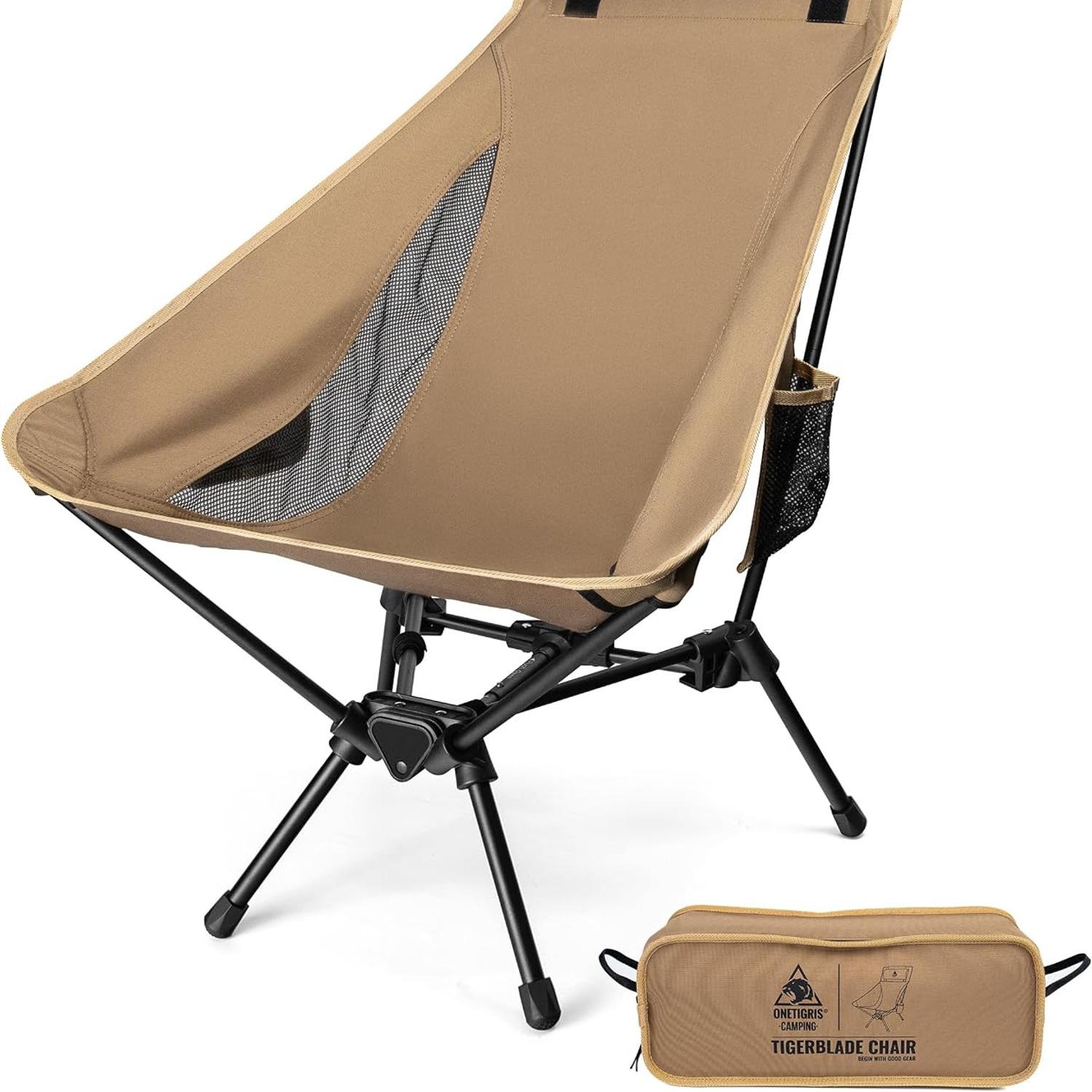
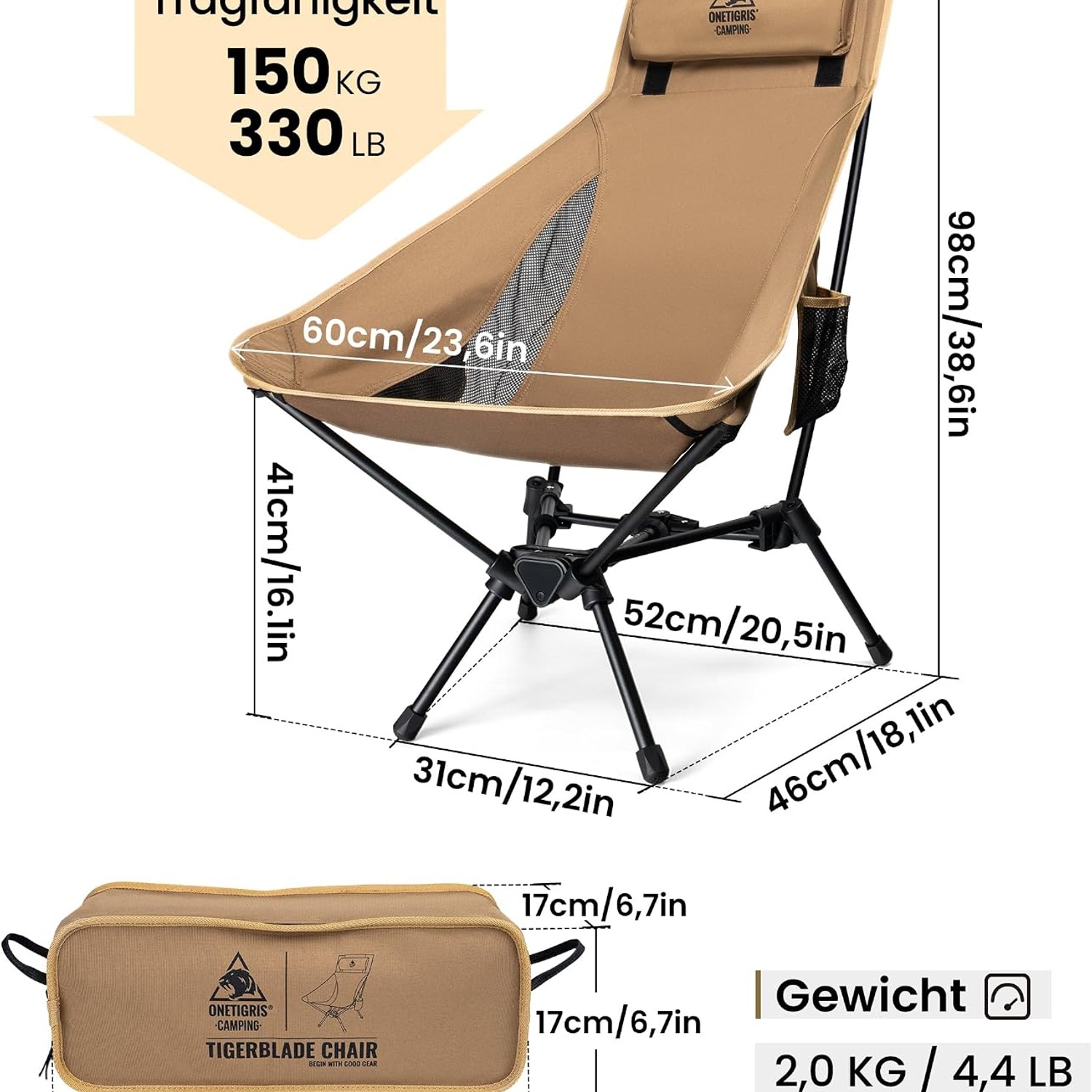
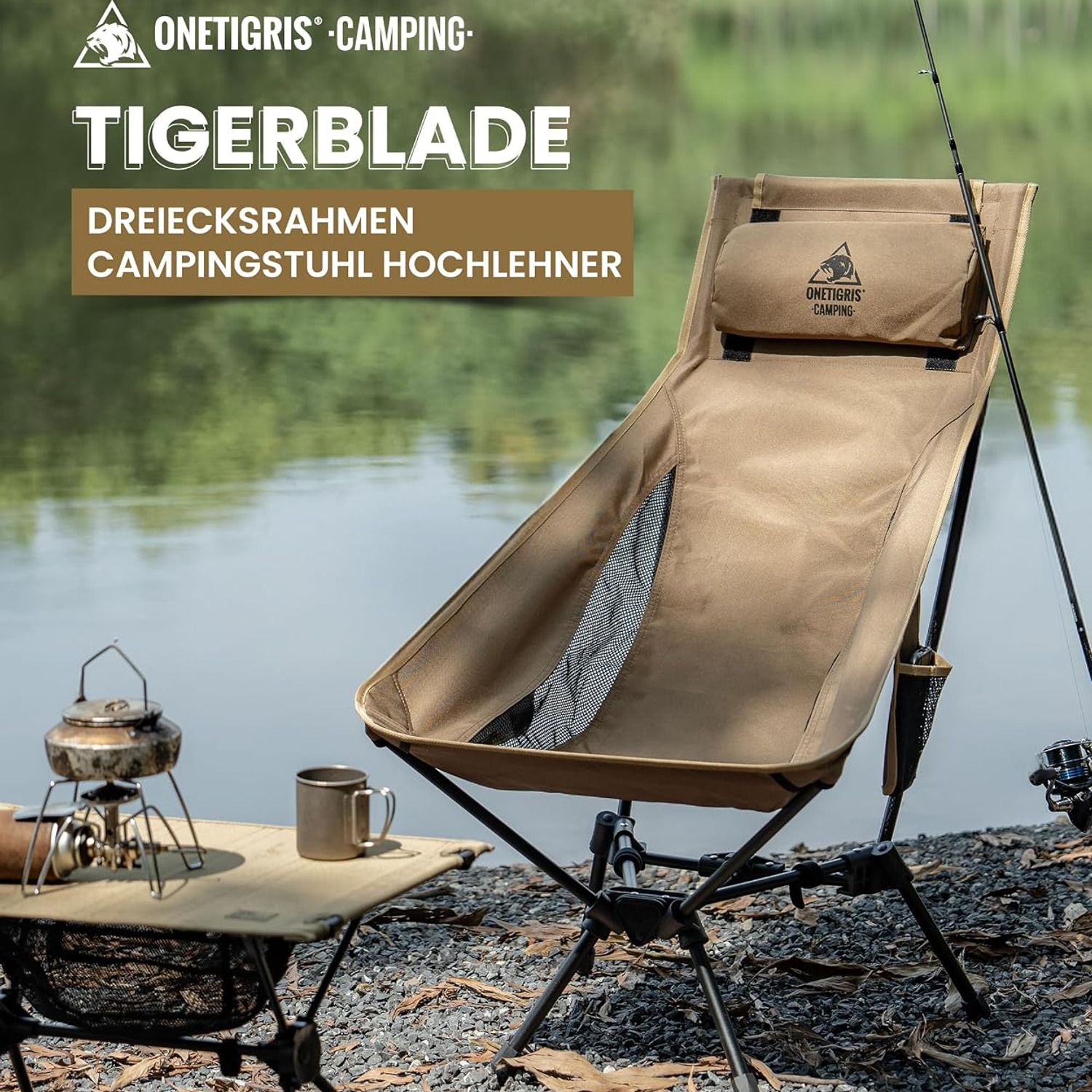
A high back camping chair with an aluminium frame tries to solve both problems at once. You get back support that goes all the way up past your shoulders, plus a frame light enough that bringing it is never a debate. This one weighs 1.96 kg and stands 98 cm tall when set up. That combination is the whole point.
How this chair works
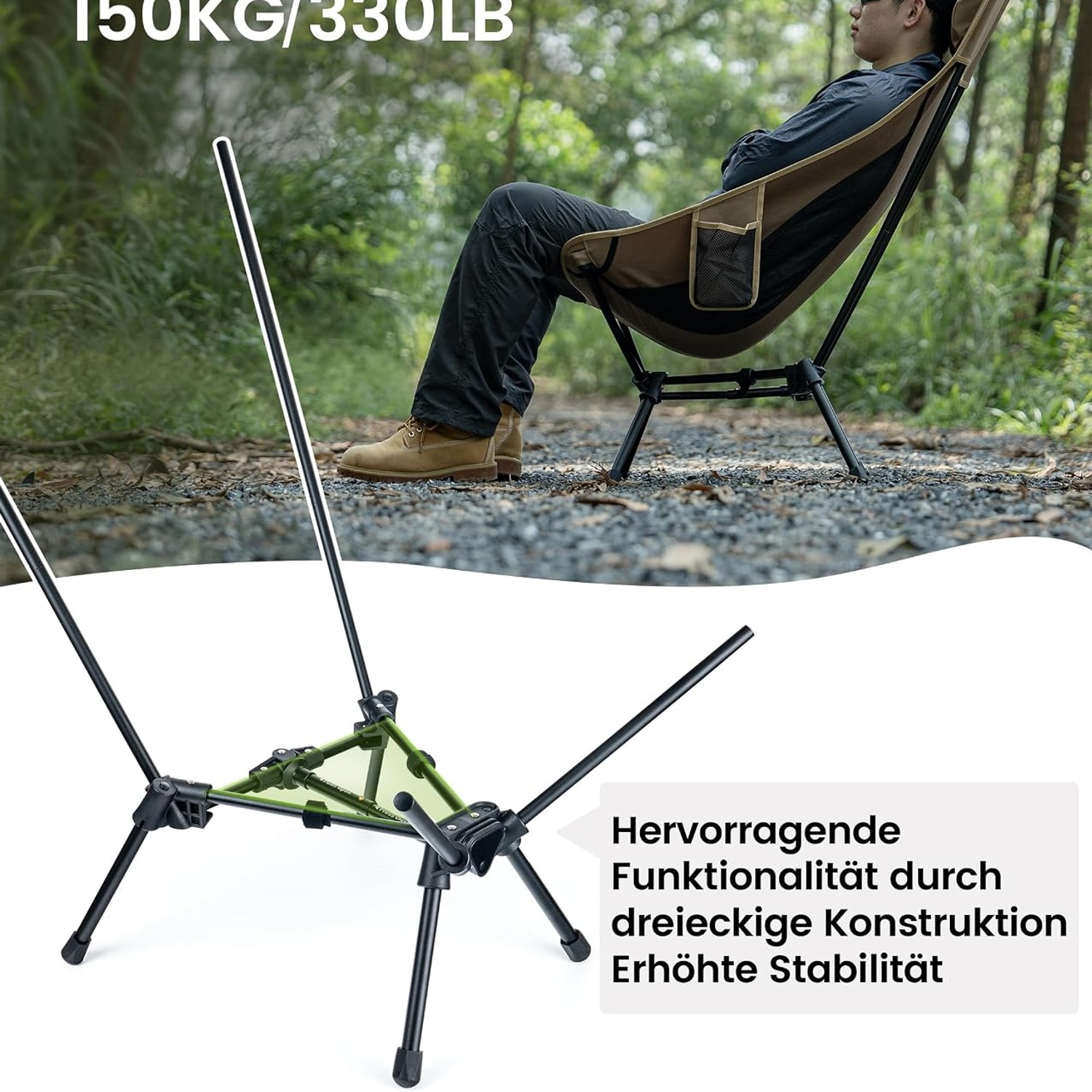
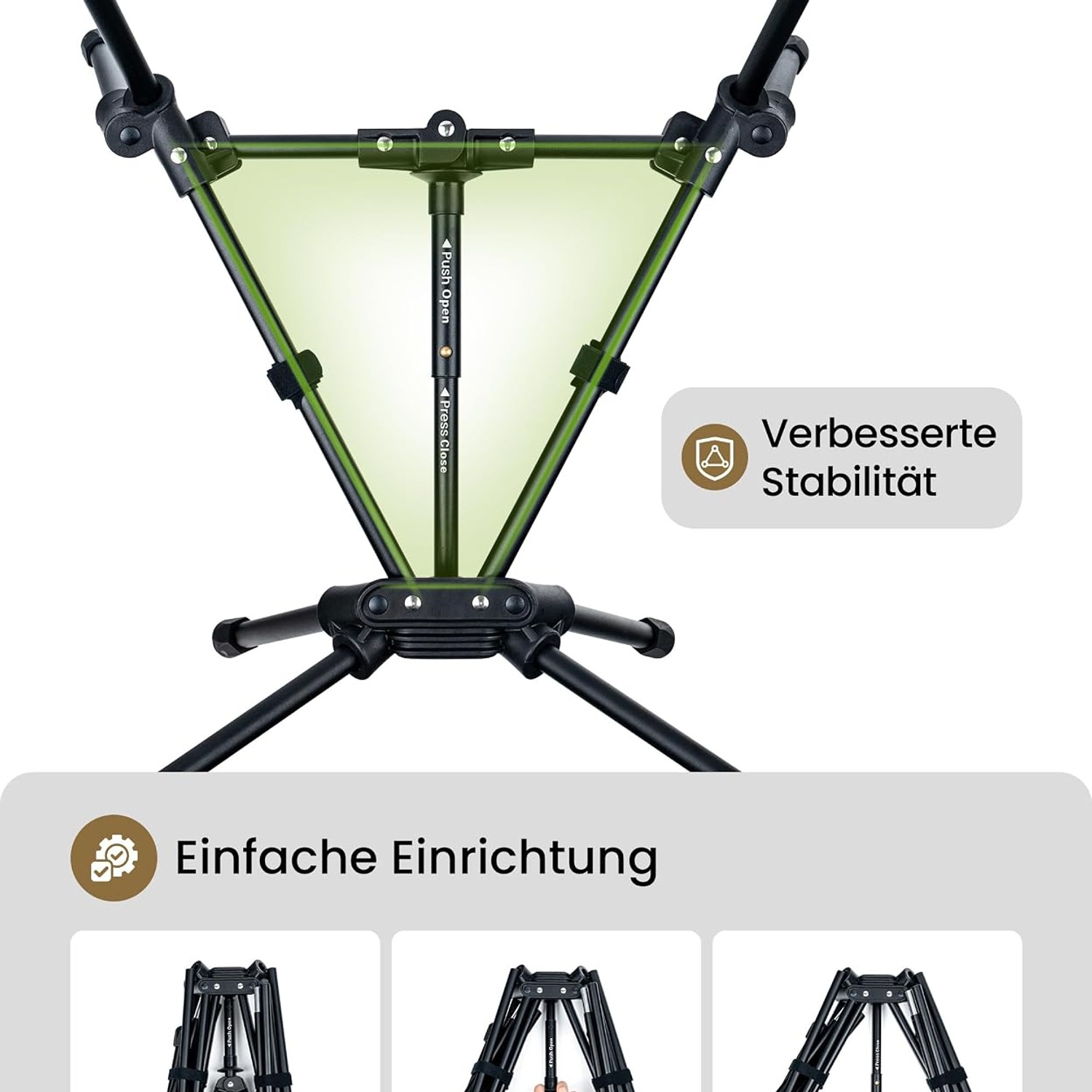
The structure is aluminium tubing joined through a central connector. Instead of a rigid welded frame, the poles come together at a hub and the fabric seat hangs between them, pulling everything into tension when you sit down. That is why it can be light without feeling flimsy. Your own weight is part of what holds the shape.
The seat and back are polyester. It is a practical outdoor fabric because it sheds dirt, dries faster than cotton and copes with being folded and unfolded repeatedly. The sides use mesh panels, which is a small detail you will appreciate on a hot afternoon when a solid fabric back would be holding heat against you.
Two features set it apart from a plain folding chair. The first is the removable headrest, which gives your neck somewhere to go when you lean back. Take it off when you are cooking or leaning forward, put it back on when you settle in. The second is the two height settings. Lower for fires and beaches, higher for tables and easier standing. Neither adjustment takes more than a few seconds once you know the chair.
Assembly is required the first time, and instructions come in the box. Do not let that put you off. Hub style frames look fiddly for about three minutes, then become muscle memory.
Who this suits
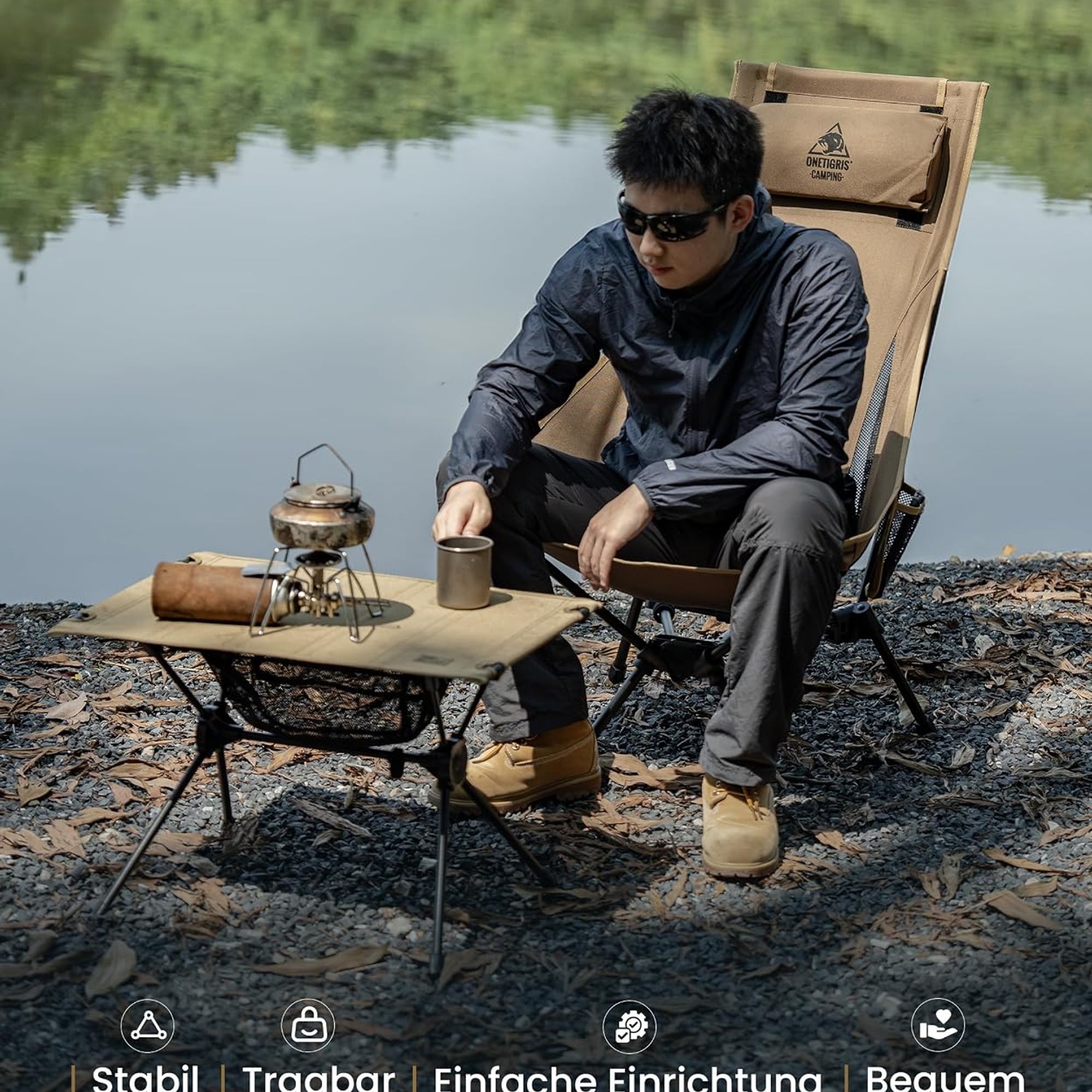
Car campers get the most out of it. If your trip involves parking within a short walk of where you sleep, weight stops being a limit and comfort becomes the deciding factor. A 98 cm back is a genuinely different sitting experience from a low chair.
Anglers are the other obvious group. Fishing involves long periods of sitting still, which is exactly when poor back support starts to hurt. The side pockets are handy for the small things that otherwise get lost in grass, and the headrest earns its keep on slow mornings.
Caravan and camper trailer owners tend to want something that stacks neatly in a locker. At under 2 kg with its own bag, this is easy to store and easy to hand to a visitor who turns up unexpectedly.
It also works for less obvious things. Sports sidelines. School carnivals. A music festival, if the venue allows chairs. A back garden where you want extra seating without buying another set of patio furniture. Some people keep one indoors as a guest seat and fold it into a wardrobe between uses.
Who it does not suit: backpackers counting grams. If you are walking twenty kilometres with everything on your back, 1.96 kg is a big ask for a chair. There are tiny stools for that, and they are miserable, but they are lighter.
How to choose
Start with back height. This is the single biggest comfort factor and the easiest to compare between models. Anything that stops below your shoulder blades will have you slumping. A tall back like this one lets you rest properly.
Then look at weight and pack size together. A chair that is light but packs long and awkward can be worse to transport than something slightly heavier that folds small. Check whether a carry bag is included, because loose chairs in a car boot catch on everything.
Think about frame material next. Aluminium does not rust, which matters if you camp near the coast or get caught in weather. Steel frames are usually cheaper and heavier and need more care after wet trips.
Consider the adjustments you will realistically use. Two seat heights is a practical range. More adjustment points sound better on paper but often add weight and complexity you never touch. A removable headrest is worth having because it genuinely changes how the chair feels in different situations.
Finally, think about small details. Pockets seem trivial until you are reaching for a torch in the dark. Mesh panels seem trivial until it is thirty degrees. These are the things that decide whether a chair becomes your favourite or gets left in the garage.
Setting it up well
Find firm, level ground before you unfold. A chair on a slope or on soft soil behaves differently from one on packed earth, and you want the load spread evenly across all four feet. On sand, press the feet down into the surface rather than letting the chair perch on top.
Choose your height setting before you sit, not after. Low setting for fire pits, beaches and anywhere you want to lean back and look up. High setting for eating, for playing cards, and for anyone who finds getting out of a deep seat hard work.
Attach or remove the headrest to suit what you are doing. It is a two second job and makes a real difference.
Looking after it
Care here is simple. Spot clean the fabric with mild soap and cool water. Avoid harsh chemicals and bleach, and skip the washing machine entirely. The fabric is fine with a wipe down, less fine with aggressive treatment.
The golden rule is drying. Never fold a wet chair into its bag and forget about it. Mildew arrives fast and the smell is very hard to remove. If you pack up in rain, take the chair out when you get home, open it in a dry spot and leave it for an hour or two.
After coastal trips, rinse salt off the frame and fabric with fresh water. Aluminium copes well, but salt residue is still worth removing. Dry the frame with a cloth before storing.
Store it in the bag, somewhere dry and out of direct sun. Long term UV exposure fades and weakens outdoor fabric. A chair kept properly will outlast several cheaper ones left to live outside.
The short version
If your current camp chair leaves you aching, the fix is usually back height, not padding. This one gives you 98 cm of support with a removable headrest, on an aluminium frame that weighs 1.96 kg and travels in its own bag. Two seat heights cover both low fireside sitting and upright table use, mesh sides keep things breathable, and two pockets hold the small stuff.
Set it on firm ground, dry it before you pack it, and keep it in the bag. Do that and it will come on a lot of trips.