
The complete guide
How to Choose Tent Pegs That Actually Hold
The problem with the pegs in the bag
Open almost any new tent and you will find a small bundle of thin metal pins. They are there because the tent has to have something, and because every gram and every cent counts at the factory. On a flat, grassy site in still weather they do the job.
Then you camp somewhere real. A gravel clearing. A paddock baked hard by three weeks of sun. A river flat full of buried stone. You line the peg up, give it a tap, and it folds over like a paperclip. Now you are down a peg, the corner of your tent is flapping, and you are walking around looking for a rock heavy enough to stand in for it.
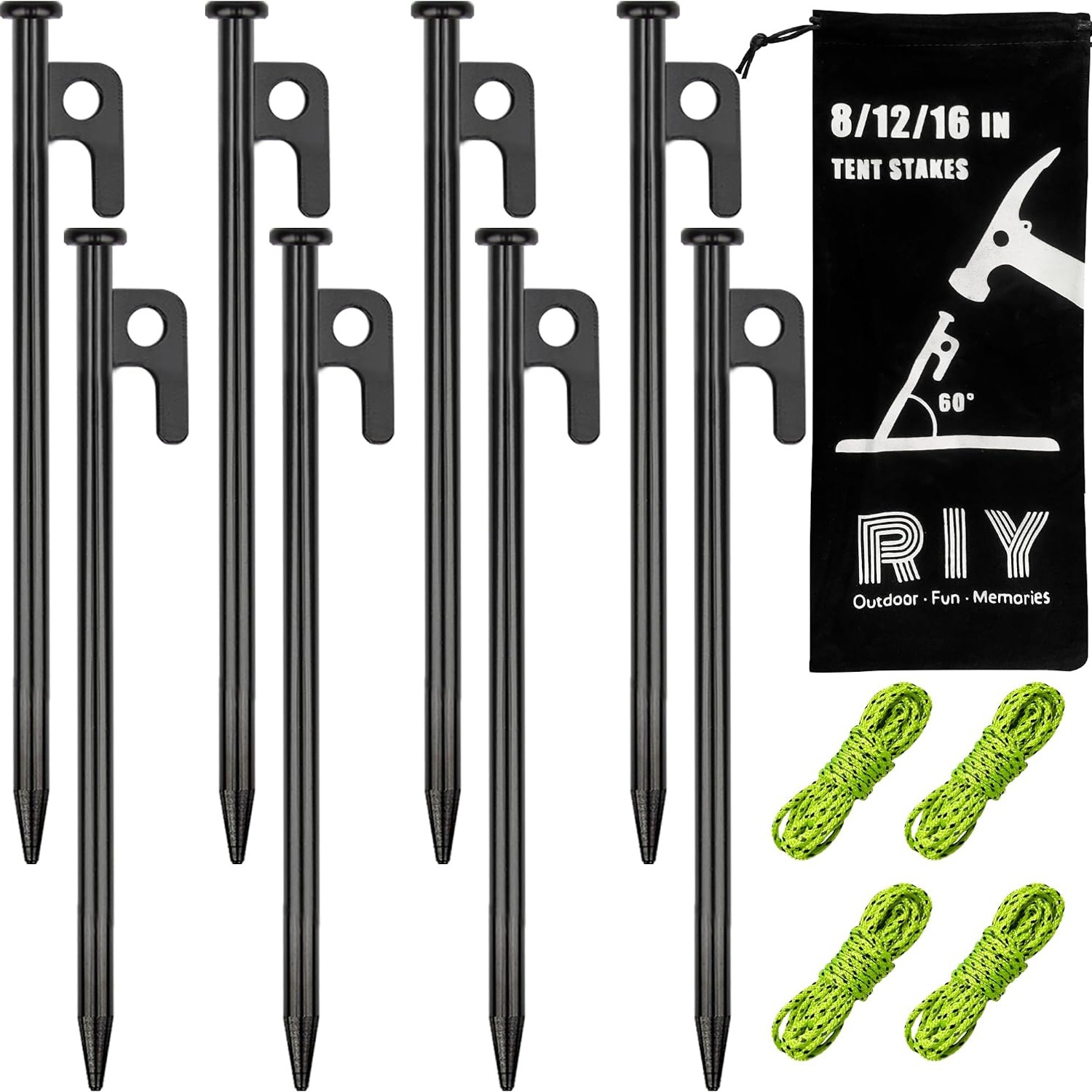
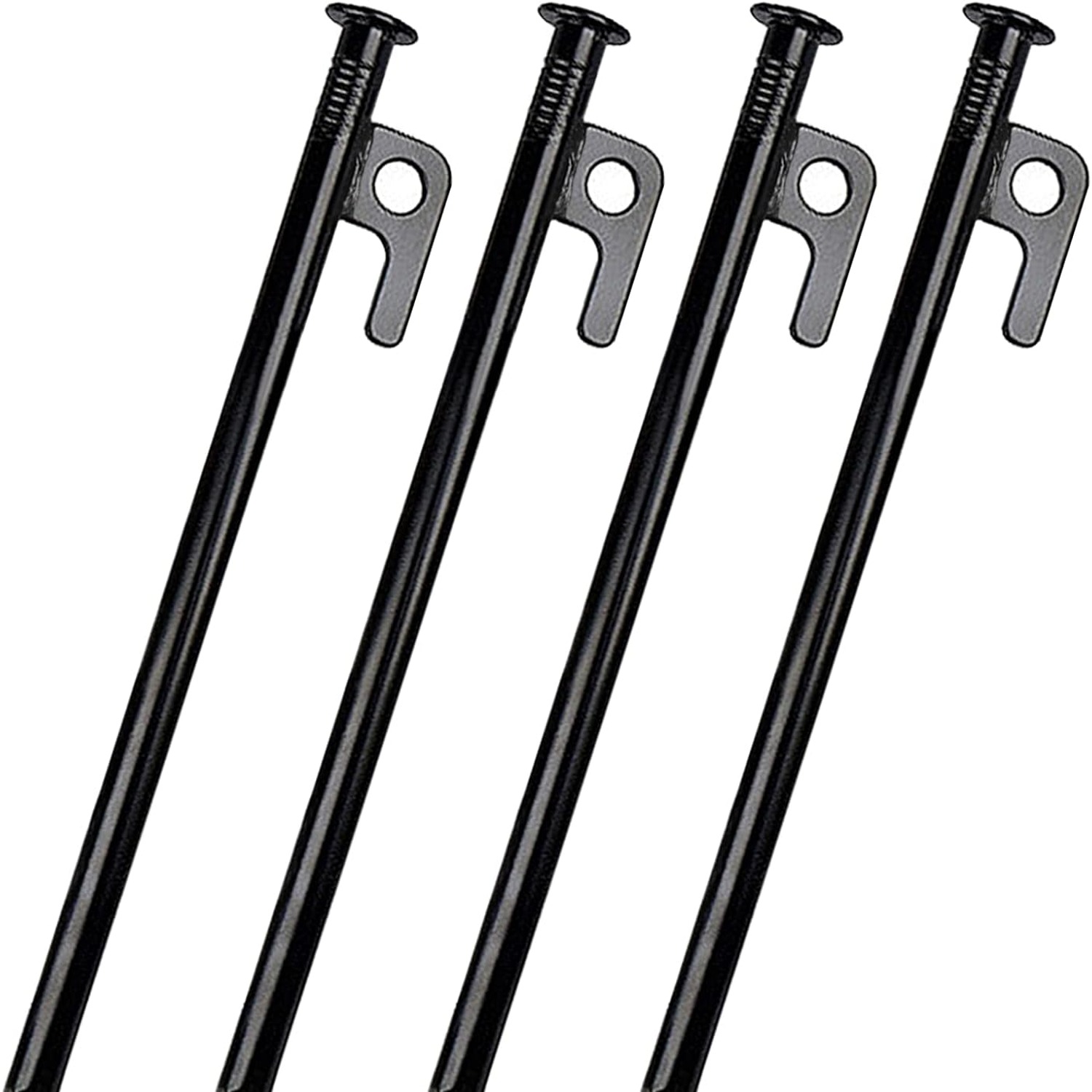
That is the gap a set of forged steel pegs fills. They are not clever. They are just thick enough, sharp enough and heavy enough to go into ground that defeats the lightweight stuff.
What makes a peg hold
Three things decide whether a peg stays put: how deep it goes, how much surface the shaft presents to the soil, and the angle you drive it at.
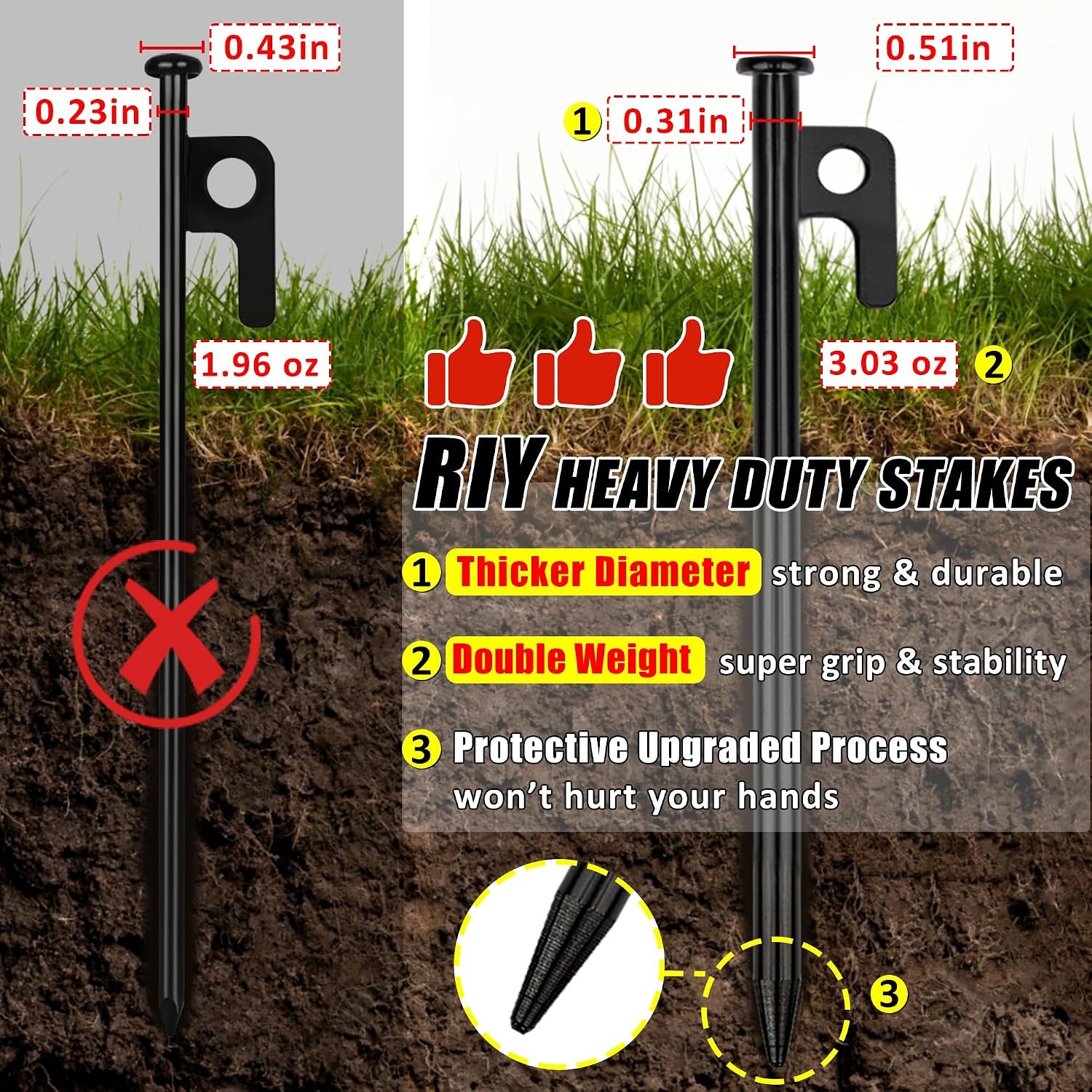
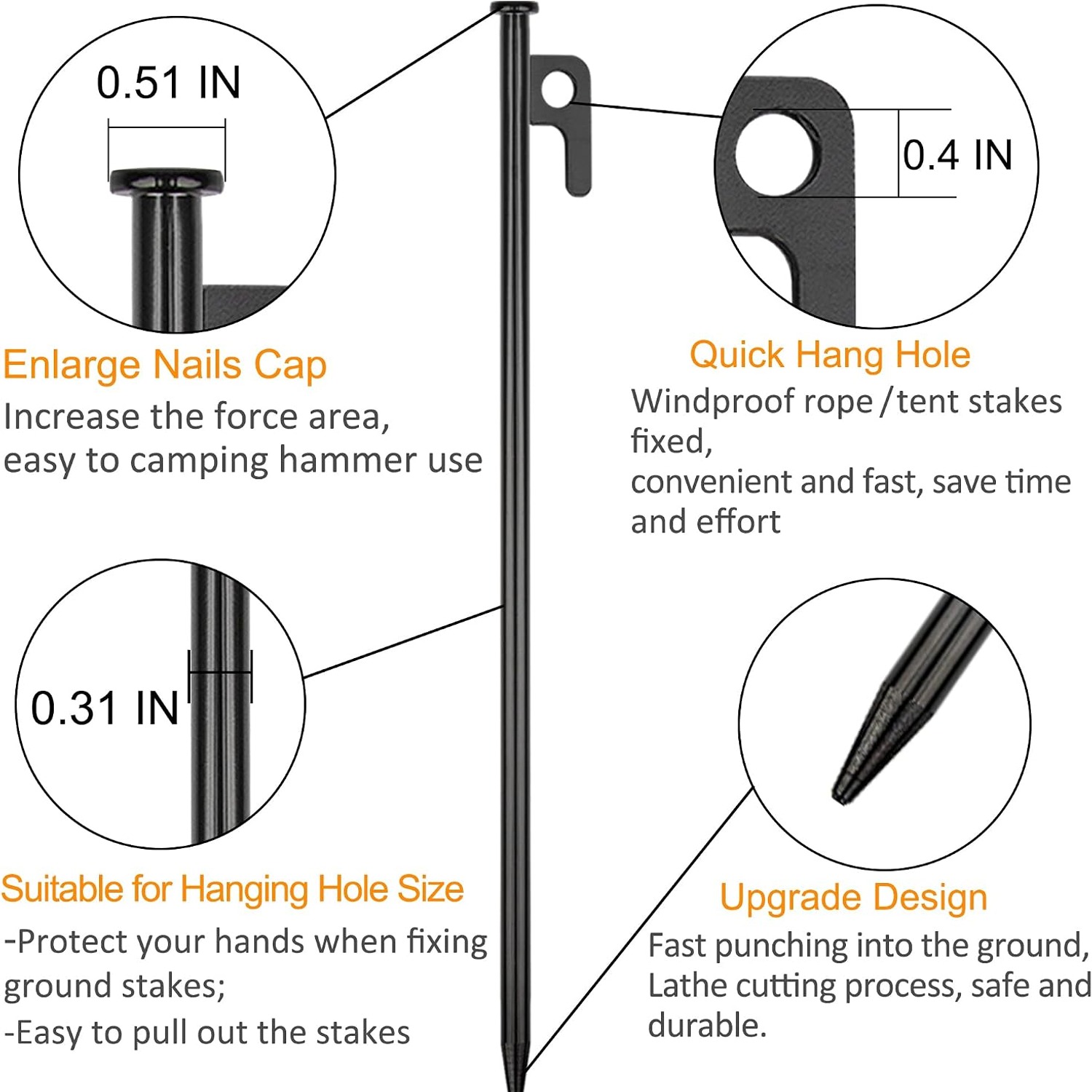
Depth is the easy one. A 20.3 cm peg buried to the head has far more soil holding it than a short pin pressed in halfway. Surface area is why a round shaft of reasonable diameter beats a hair-thin wire, because the soil has more to grip. The 1.5 cm width across these pegs gives a solid column of steel for the ground to press against.
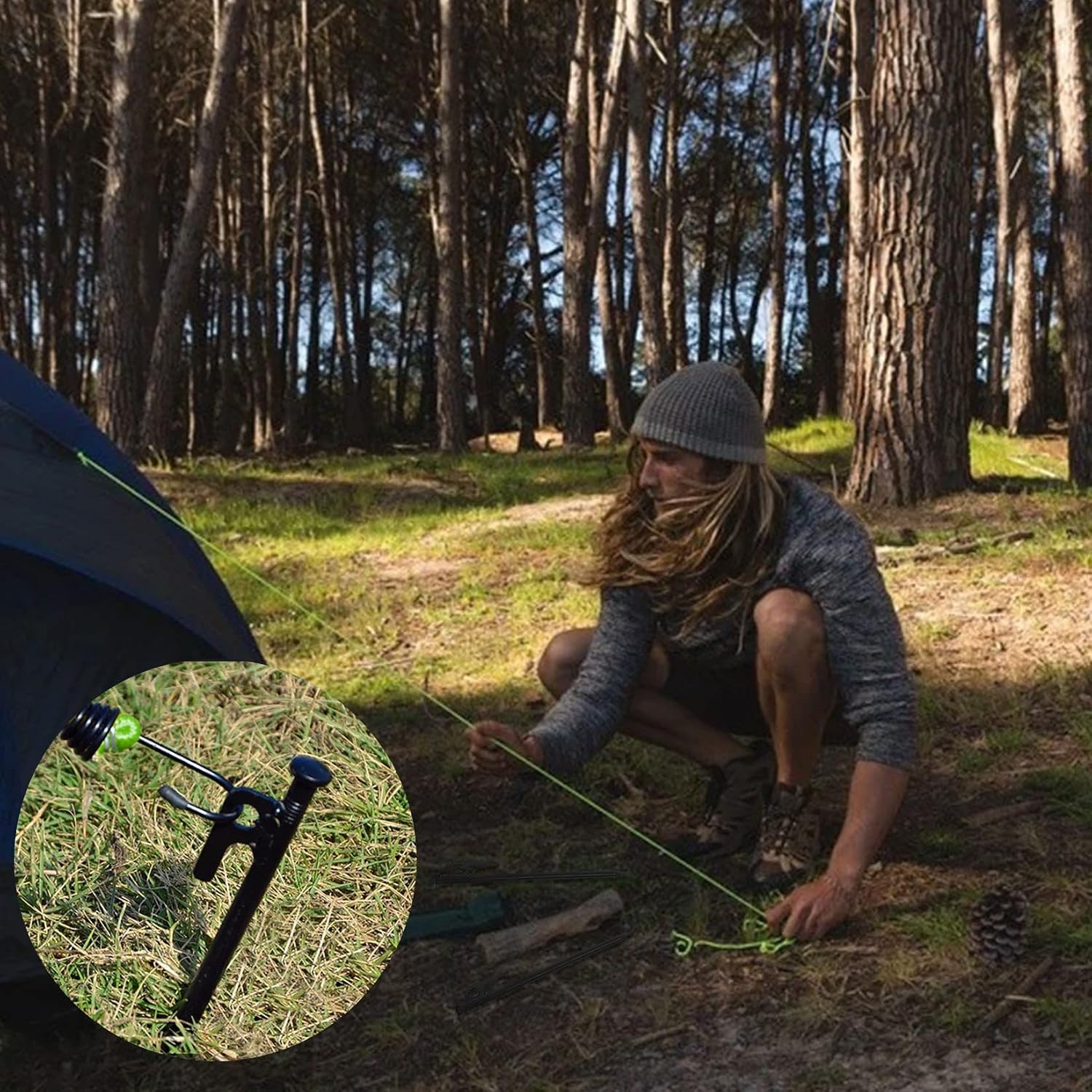
Angle is the part most people get wrong. Drive the peg leaning away from the tent at roughly 45 degrees, with the head tilted back toward the shelter. When the guy line pulls, it is trying to drag the peg sideways through packed soil instead of sliding it straight out of a hole. A vertical peg in soft ground will walk out in an hour of wind. The same peg at an angle will sit there all weekend.
Why forged steel over aluminium or plastic
There are good reasons to choose each material, and the right answer depends on how you camp.
Aluminium is light, which is the whole point for hikers carrying everything on their back. It also bends. Plastic and fibreglass pegs are cheap and fine for beach shelters and light shade, but they snap under hammer force. Forged steel sits at the other end: heavier, stronger, and happy to be hit.
Forging matters because of what it does to the metal grain. Rather than cutting a shape out of stock, the steel is worked into shape under pressure, which aligns the internal structure along the length of the peg. The practical result is a shaft that takes repeated hammer blows and hard removal without deforming. That is what you are paying for.
The honest trade-off is the 762 grams for eight. That is weight you carry in a car boot or a camp box, not on your shoulders. Choose accordingly.
Who these suit
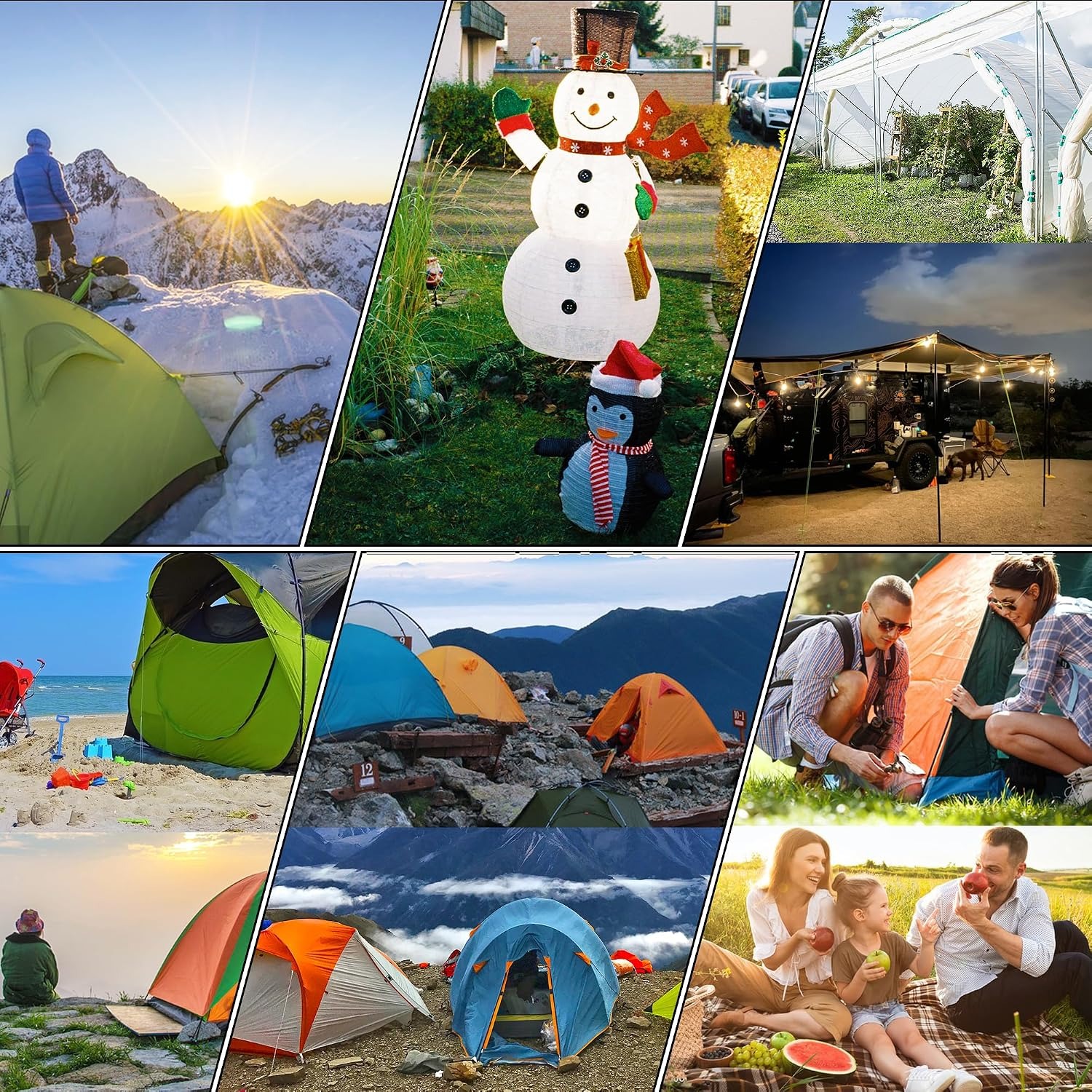
Car campers get the clearest benefit. You are already carrying a cooler and a camp chair, so an extra three quarters of a kilo is nothing, and you camp in whatever site you are allocated rather than the perfect soft patch.
Anyone running a canopy at markets, sports days or school fetes will appreciate them too. Pop-up gazebos are notorious for lifting in a gust, and a leg plate held by a token plastic pin is not an anchor. Pegging every leg with proper steel, then adding corner guy lines, is the difference between packing up at four o'clock and chasing your stall across a field.
Then there is the garden. These do steady work as garden edging pegs, holding plastic or steel edging strips in line, and they are far better than brittle plastic pins for pinning landscape fabric down before you spread mulch. People often buy a set for camping and quietly lose half of it to yard jobs.
Backpackers and ultralight hikers are the group who should probably look elsewhere. Carry aluminium or titanium and accept you will be more careful about site choice.
How to work out how many you need
Walk around your tent and count. Most dome tents have a peg point at each corner of the floor, two or more on the fly, and then separate guy lines for wind. A small two-person tent might total eight to ten points. A three-room family tent can easily want sixteen or more once you include the awning and the storm lines.
Then add two. You will lose one in long grass eventually, and there will be a corner where the ground is impossible and you want to try a second spot. Spare pegs cost very little compared with the annoyance of being one short at dusk.
If you also run a tarp over the cooking area, count that separately. A basic tarp pitch uses four corner pegs plus two or four more for the ridge lines.
Driving them without wrecking anything
Use a mallet, not a boot. Stamping a peg in is how you bend it and how you turn an ankle. A rubber mallet or a dead-blow hammer is ideal because it transfers force without bouncing. A standard claw hammer works fine as well.
Start with light taps to set the peg, check the angle, then commit. If the peg stops dead and the head rings rather than sinking, you have found rock. Pull it out, shift a hand span, and start again. Hammering harder onto buried stone only blunts the tip.
Leave a little of the head above ground so you can hook it for removal, but not so much that it becomes a trip hazard. A finger width is about right.
Getting them out again
This is where most pegs die. Grabbing the head and heaving sideways puts a bending load exactly where you do not want one.
Pull straight up instead. A peg puller costs very little and saves your fingers. In a pinch, a spare tent pole section with a hooked end, or a loop of cord passed under the head and pulled vertically, does the same job. If one is really stuck, wiggle it gently in line with the shaft to break the soil's grip first, then lift.
Count them as you go. Steel pegs disappear into grass with alarming speed, and a 20.3 cm steel pin left in a campsite or a lawn is no fun for the next person or a mower blade.
Care and storage
Knock the dirt off before they go in the bag. Wet soil sitting against steel is the main thing that causes surface rust, and it also transfers grit to everything else in your kit.
Let them dry properly after a wet pack-up. If you had to break camp in rain, lay the pegs out at home for a day before they go in the shed. Store them in a bag or pouch rather than rolling loose in a tub, both for the steel and for whatever else shares the tub.
Check the tips occasionally. After a few seasons in stony ground, a point can blunt enough to make driving harder. A flat file restores it in under a minute. Keep the original taper rather than filing it to a needle, which would make it more fragile.
The short version
If your camping happens anywhere other than a soft, tidy lawn, upgrading your pegs is the cheapest improvement you can make to a tent. Eight forged steel pegs at 20.3 cm will go into ground that bends the ones in the tent bag, and they will keep doing it for years.
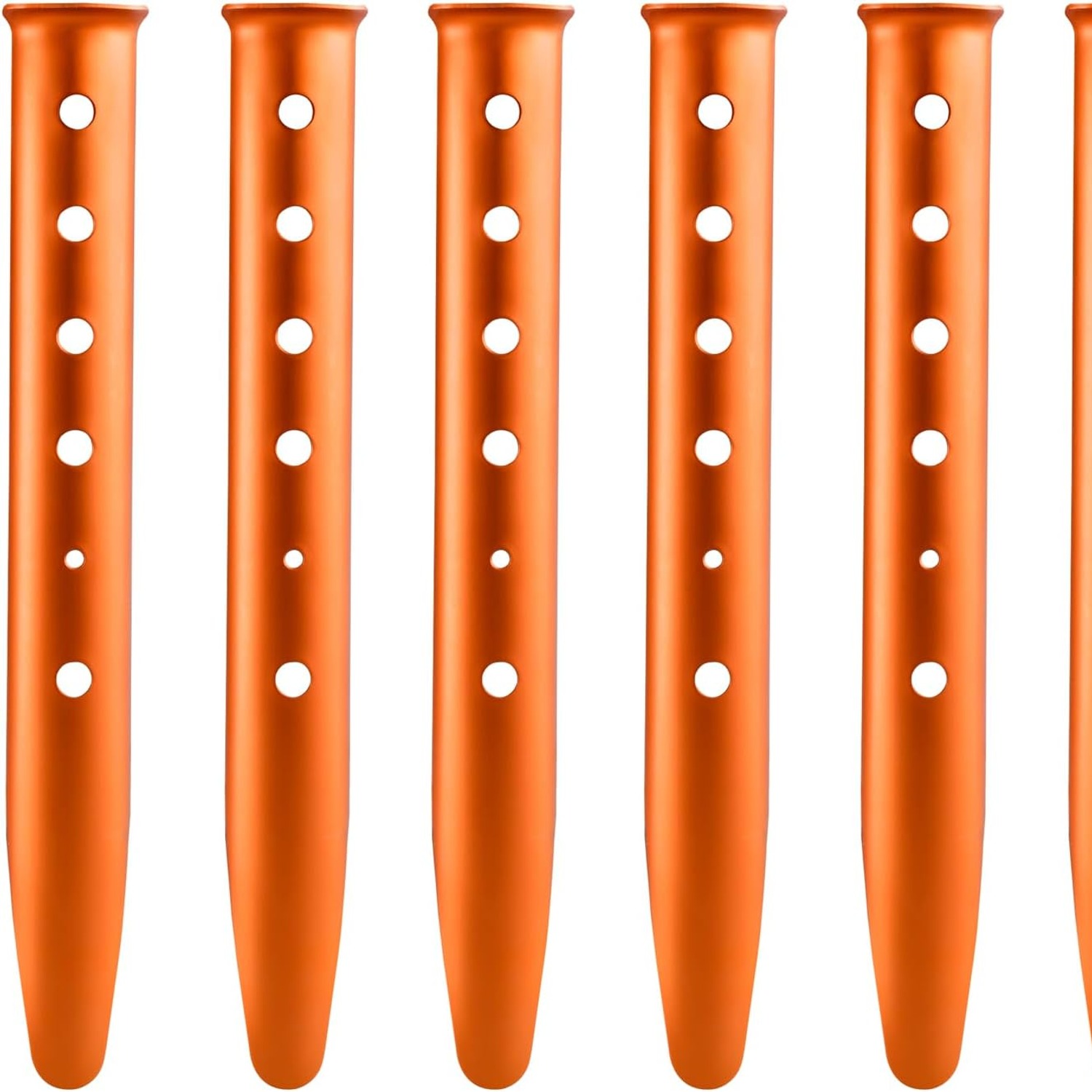
Match the peg to the ground. Steel for hard, stony and compacted sites. Sand pegs or buried deadman anchors for loose beach sand. Aluminium if you are carrying it on your back.
Drive at an angle, pull straight up, wipe them down, and keep a couple of spares. That is most of what there is to know.