
The complete guide
Gazebo Side Walls Buyer's Guide, How To Choose And Use Them
The problem with an open gazebo
A pop up gazebo solves exactly one problem well. It puts a roof over your head. Everything else, wind, low sun, blowing rain, dust off a gravel carpark, walks straight through the open sides.
Most people notice this the first time the weather turns. You have set up for a birthday lunch, the roof is doing its job, and then a gust comes through at table height and takes the napkins, the paper plates and the good mood with it. Or you are at a Saturday market, the sun drops to four in the afternoon, and suddenly it is shining directly under your canopy and into your customers' eyes.
Side walls are the cheap fix. They do not change your gazebo into a tent. They just close off the sides you need closed, when you need them closed, and let you open everything back up when the weather settles.
How these panels work
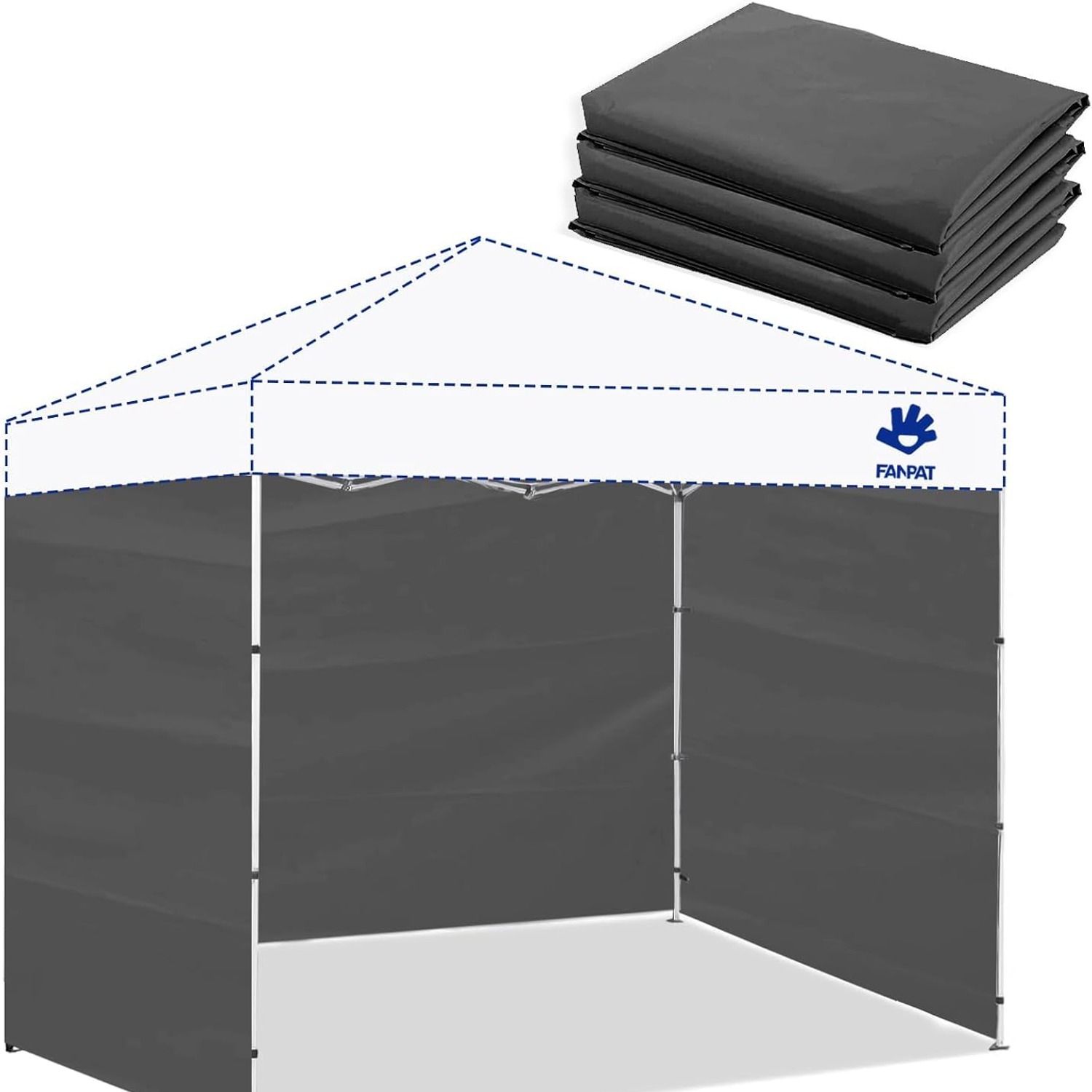
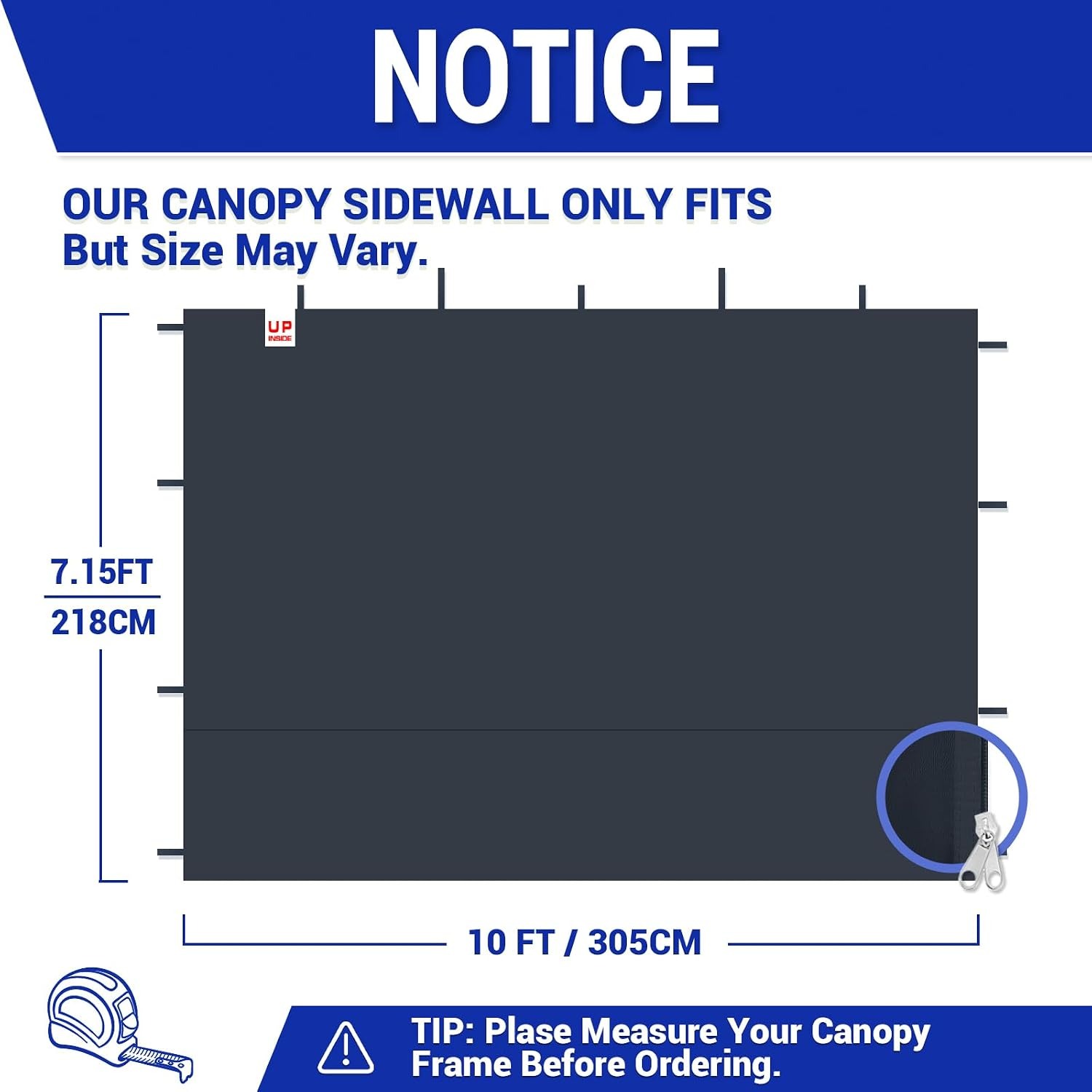
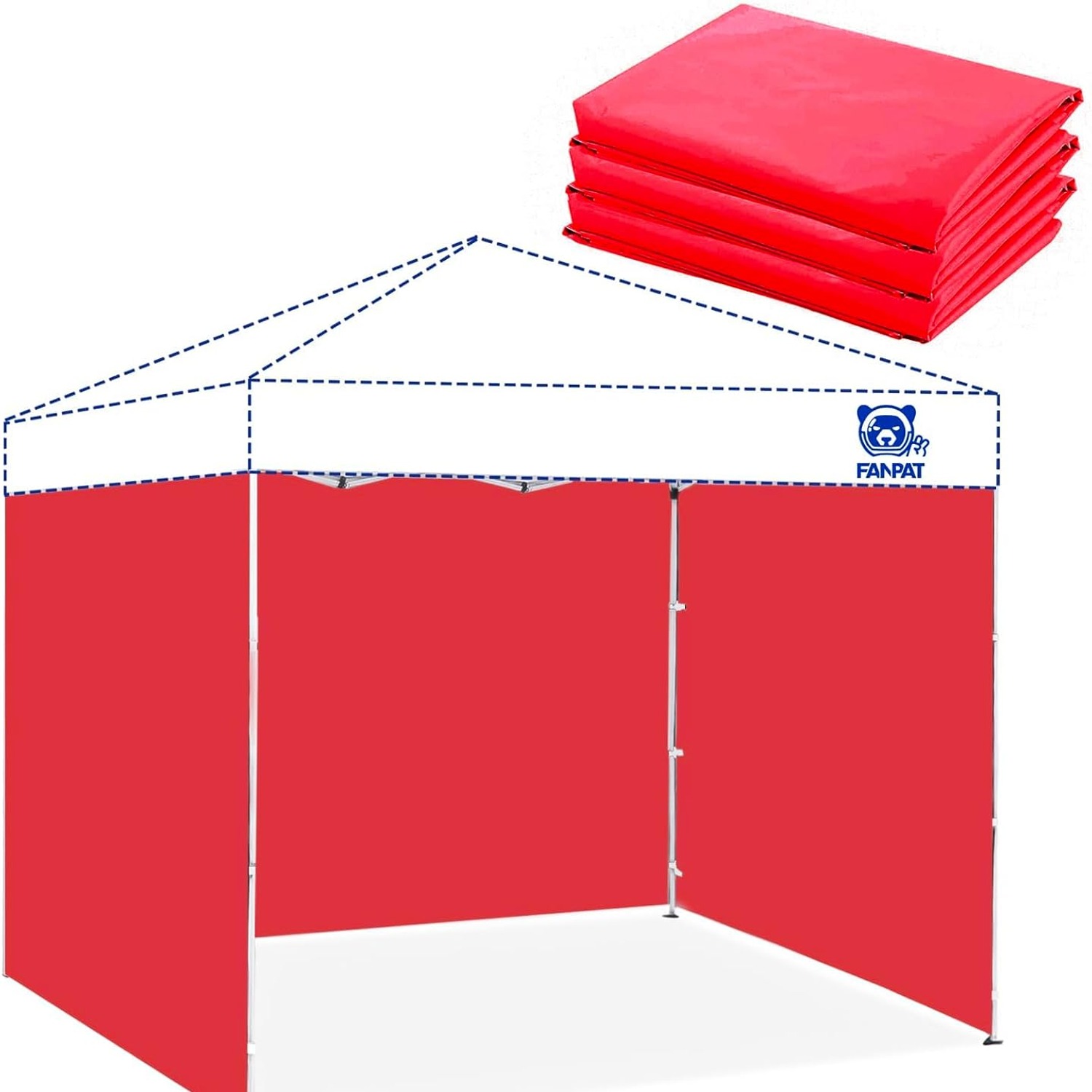
This set is three separate polyester walls. Each one is listed at 3 metres wide by 0.86 metres in the recorded height dimension, with a stated total coverage of 9.3 square metres across the three.
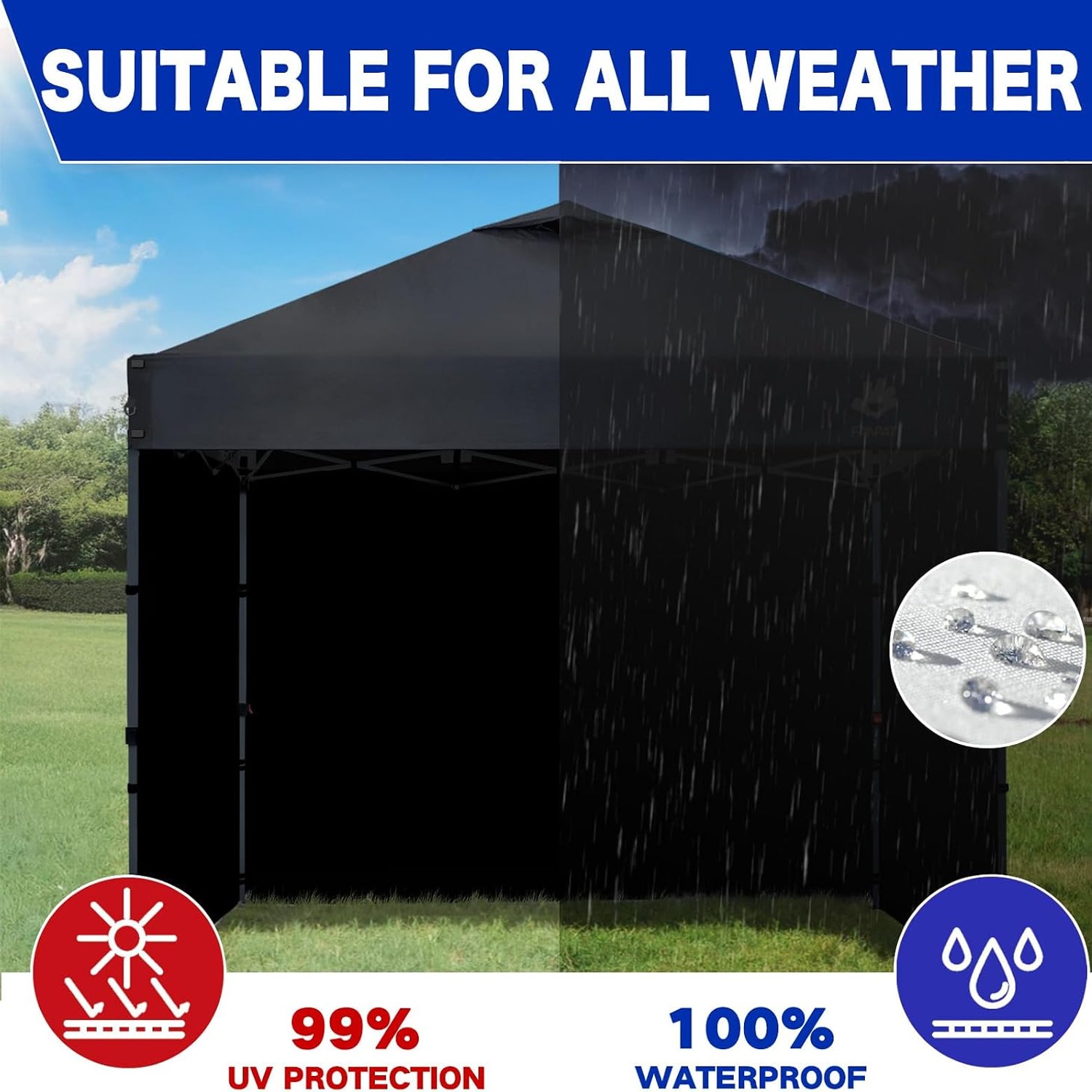
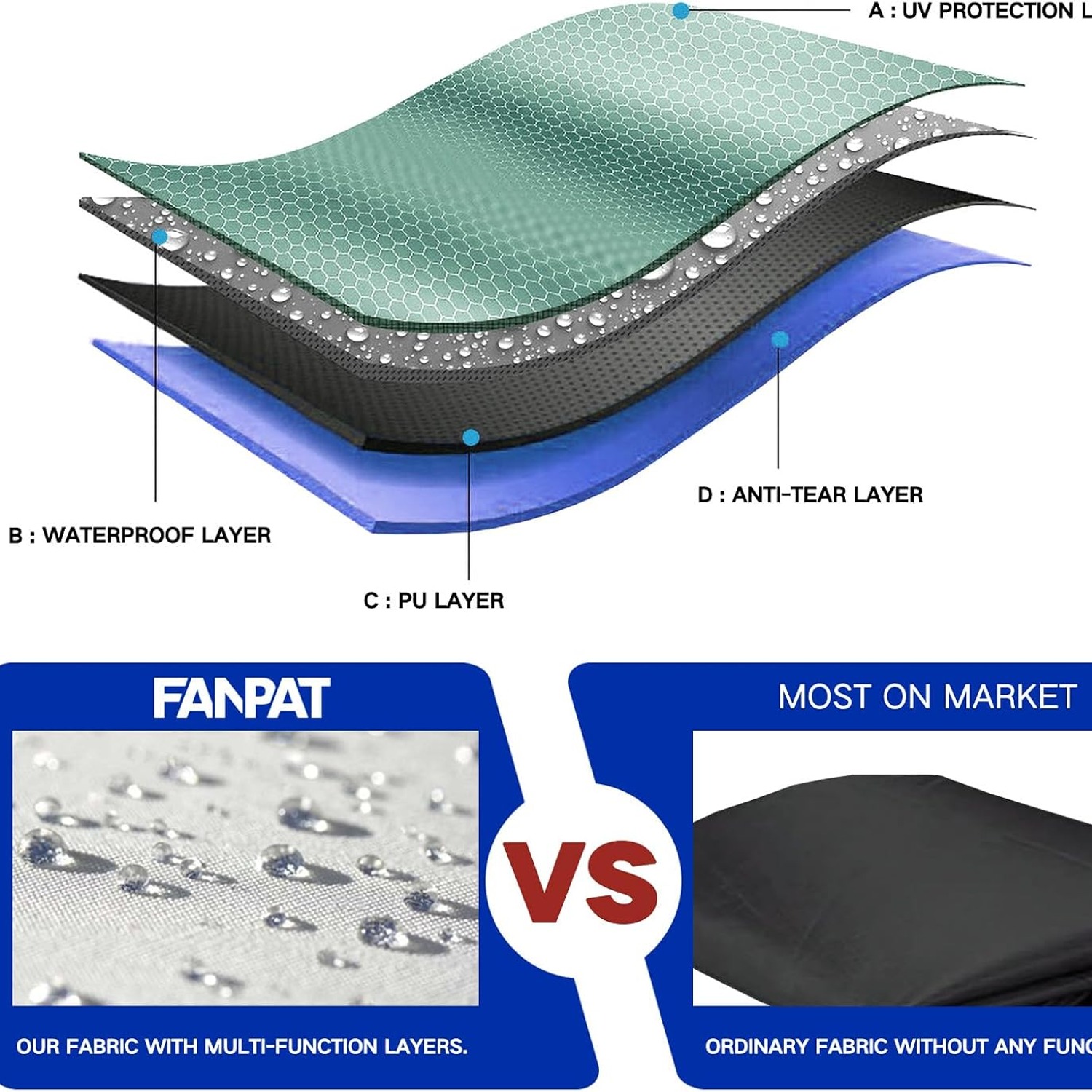
The fabric is rated waterproof and carries ultraviolet light protection. Those two things do different jobs. Waterproofing stops a shower from soaking through the panel and dripping onto whatever is behind it. The UV protection cuts glare and reduces the heat build up that makes a shaded area feel stuffy by mid afternoon. On a clear hot day, a shaded space with sides on can be noticeably more pleasant than open shade, because you have blocked the low angle sun as well as the overhead sun.
Attachment is hook and loop. The closure wraps around the gazebo uprights and along the top edge. There are no poles to thread, no bolts to lose and no assembly stage before the first use. That matters more than it sounds. The gazebo accessories that actually get used are the ones you can fit in under a minute without hunting for a bag of fittings.
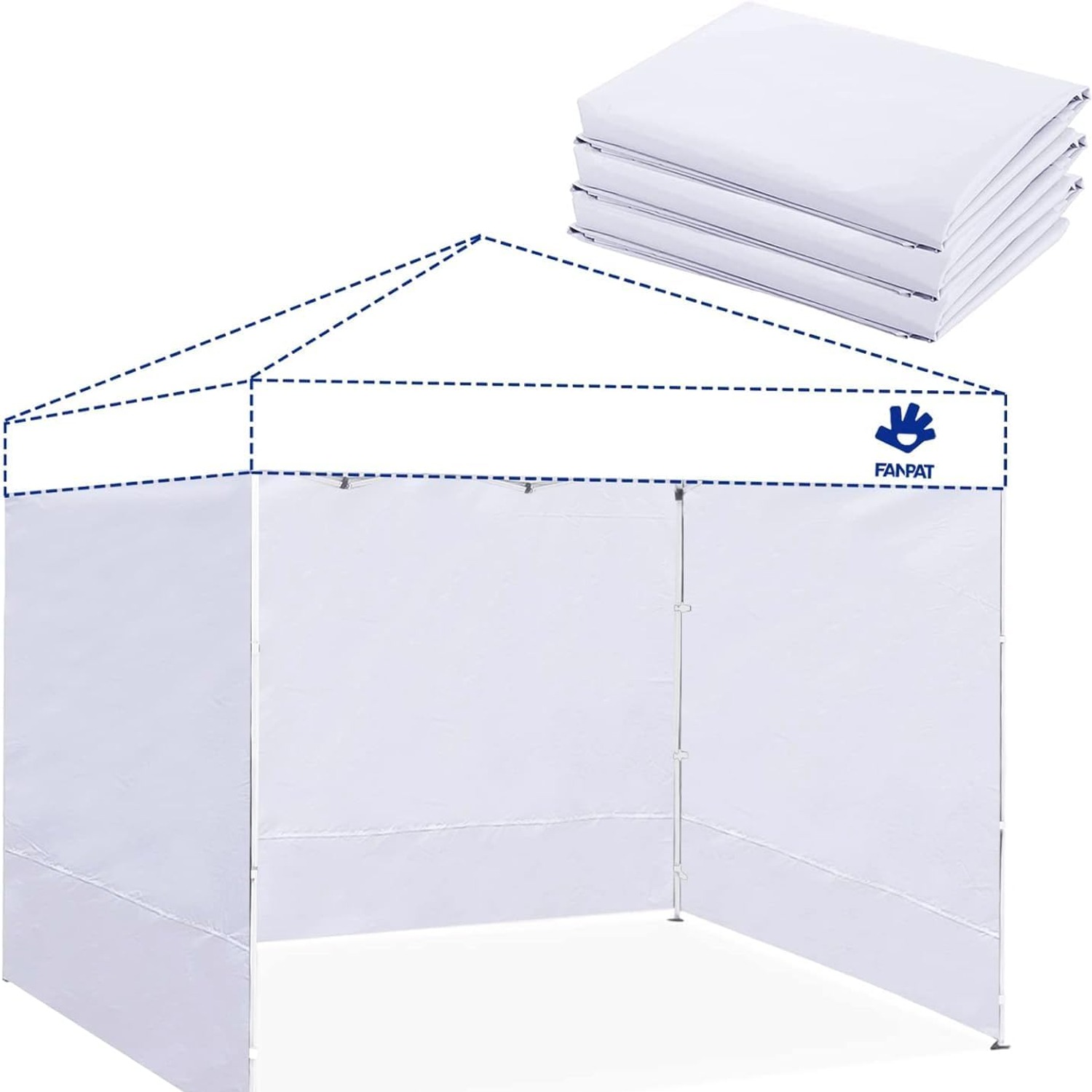
Because the three walls are independent, you choose how much to close. One wall on the windward side is often enough. Two gives you a corner you can shelter behind. Three leaves a single open face, which is the usual setup for a market stall or a food service table.
Who these suit
Market traders are the obvious group. Waterproof gazebo side panels keep stock dry, cut glare on displays and give you something to pin signage to. Black also looks tidy next to other stalls and does not show dirt after a muddy weekend.
Campers and caravanners use them as a wind break around an outdoor kitchen or sitting area. A camp stove works far better out of the breeze, and food stays warmer on the plate.
Backyard users want them for shade and privacy. If your outdoor area is overlooked by a neighbouring block, a couple of panels on the right sides make a real difference to how relaxed the space feels, without building anything permanent.
Sideline parents at junior sport get a lot out of them too. Those grounds are often flat and exposed, and a wall on the windward side turns a miserable morning into a bearable one.
Getting the sizing right
This is where most disappointment comes from, so it is worth slowing down.
The set is built around 3x3 metre gazebo frames. That is the standard pop up footprint and covers the large majority of frames sold. But nominal size is not the same as measured size. Gazebo brands vary in how they measure, and some quote the roof span while others quote the leg footprint. Before you order, run a tape between the inside faces of two neighbouring uprights and note the number.
Also check the height. These panels are listed at 0.86 metres high, which makes them a partial height wall rather than a full drop from roof to ground. That suits anyone who wants wind and sun blocked at seated and table level while keeping airflow and visibility above or below. If you specifically need a full ground to roof curtain, this is not the product for that.
For larger frames, do the arithmetic. A 3x6 metre gazebo has two long sides needing two panels each and two ends needing one each. Three panels will cover a long side and an end, which is often all anyone wants.
Putting them up safely
Here is the part people skip, and it is the part that costs money.
An open gazebo lets wind pass through. A gazebo with walls on catches that wind like a sail. The frame is the same, but the load on it goes up a lot. Every leg should be weighted or anchored before you hang a single panel. Sandbags, proper leg weights, water weights or pegged guy ropes all work. Bricks balanced on a foot do not.
If the forecast turns genuinely nasty, take the walls off. It takes a minute and it is far cheaper than replacing a twisted frame or explaining to a neighbour why your gazebo is now in their garden.
Hang the windward wall first, and fasten the top edge before the uprights. That stops the fabric flapping while you work. If you are doing this alone on a breezy day, it helps to clip or hold the bottom corner down until the top is secured.
Care and storage
Polyester panels last a long time if you treat them sensibly. Most failures are storage failures, not fabric failures.
Clean them with a damp cloth and a little mild soapy water, then rinse lightly and let them dry completely. Skip the washing machine, the dryer, bleach and the iron. Heat and harsh chemicals attack the waterproof surface, and once that is damaged the panel is just a fabric sheet.
Before packing away, shake off leaves, grass and grit. Then make absolutely sure they are dry. Rolling a damp panel into a bag in October and finding it again in March is how you end up with mould spots and a smell that never quite leaves.
Store flat or loosely rolled somewhere dry and out of direct sun. Tight repeated folds in the same place will eventually crease and weaken the fabric along that line.
A few honest limitations
These are walls only. No roof, no frame, no weights and no pegs in the box. If your canopy top is worn out, you need a new top as well.
They are not fire rated. No flame resistance is specified, so keep heaters, gas burners and anything with a flame well away from the fabric.
They will not create a sealed room. Air moves at the corners, and in heavy driven rain you will get some drip where the wall meets the roof. That is true of every hook and loop wall system, not just this one.
And they will not rescue a gazebo that is already failing. If your frame has bent legs or a cracked joint, adding wind load to it is a bad idea.
The short version
If you already own a 3x3 pop up gazebo and keep getting chased out by wind or low sun, three waterproof panels are the cheapest upgrade available. They fit with hook and loop, need no tools, and go up fast enough that you will actually bother.
Measure the gap between your uprights first. Weight every leg before you hang them. Dry them properly before storage. Do those three things and a set of gazebo side walls will quietly earn its keep for years.